 ALERT
ALERT
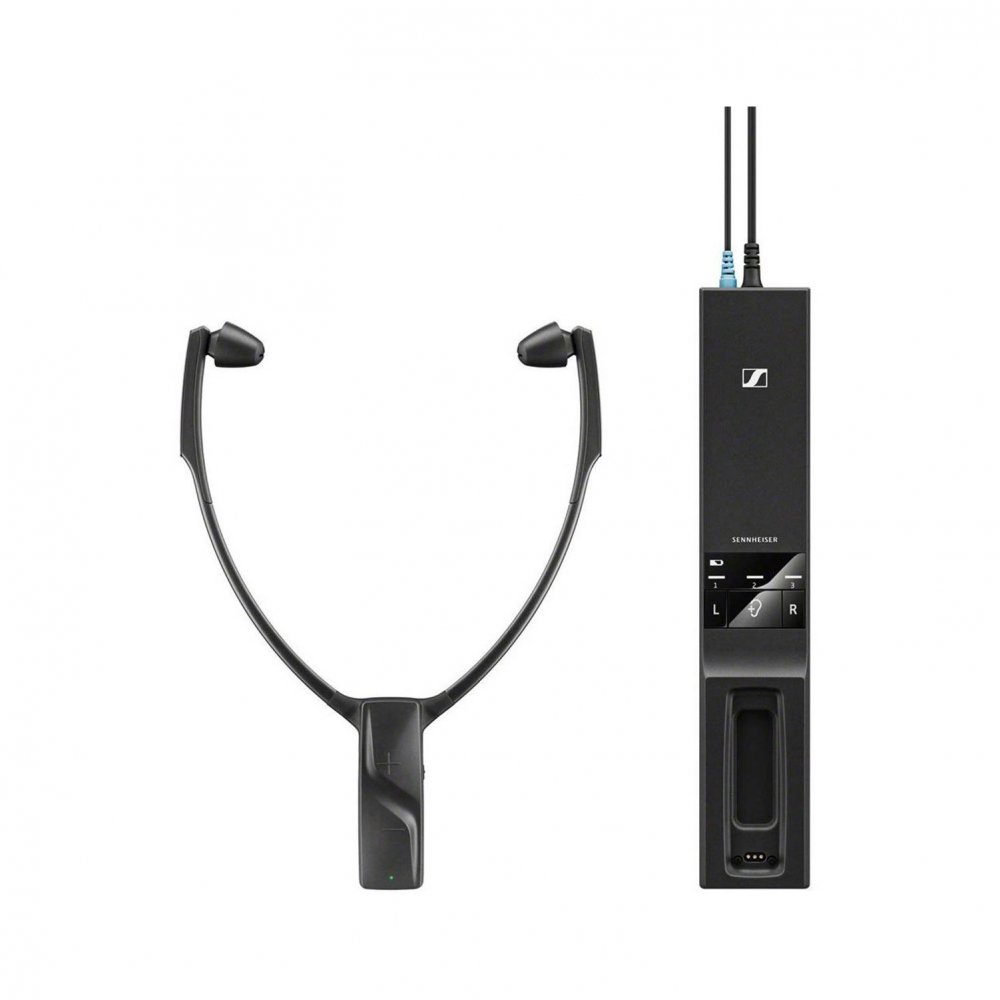
Sennheiser RS 5000 vs Skullcandy Indy Evo
Advertisement
| Specification | ||
|---|---|---|
| Price | Rs.13,441.00 |
Rs.12,999.00 |
| Brand | Sennheiser |
Skullcandy |
| Model No | RS 5000 |
Indy Evo |
| Wired / Wireless | Wireless Headphone Specification |
Wireless Headphone Specification |
| Headphone Type | In Ear |
In Ear |
| Magnet Type | Dynamic, Neodymium |
Dynamic |
| Driver Diameter | NA |
6 mm |
| Impedance | 28 ohm |
32 Ohm±15% |
| Sensitivity | 125 dB |
99-105dB |
| Frequency Response | 15 Hz - 16000 Hz |
20 Hz - 20000 Hz |
| Maximum Power Input | 5 V |
NA |
| Wireless / Bluetooth Details | ||
| Wireless Technology | Bluetooth |
Bluetooth |
| Bluetooth Version | 4.0 |
5.0 |
| Compatible Profiles | All Bluetooth Devices |
All Bluetooth Devices |
| Supported Codecs | A2DP + AVRCP + HSP + HFP + APT-X® |
HSP, HFP, AVRCP, A2DP |
| Battery Type | Lithium-ion Polymer Batteries |
Lithium Polymer Batteries |
| Bluetooth Range | 10 Meters |
10 Meters |
| Battery Life | 12 Hours |
30 Hours |
| Charging Time | 3 Hours |
2 Hours |
| Noise Cancelling | NA |
Ambient |
| Available Colors | Black |
Black, Blue, Red, Green, Grey, Yellow, Orange |
| Connector Plating | 3.5 mm |
NA |
| Cable | Adapter |
Type-C USB Charging Cable |
| Weight | 454 gm |
57 gm |
| Other Features | Crystal clear digital wireless transmission for freedom of movement (up to 200 ft.). Connectivity Technology: Wireless. Three selectable hearing profiles optimize speech and music playback. Speech Intelligibility feature reduces TV background noise for greater dialog clarity. Digital and analog inputs provide installation flexibility to TV's or other audio devices. Built in Lithium Polymer battery provides to 12 hours operation on a full complete charge. Two year warranty when purchased from an authorized Sennheiser dealer. |
Use Either Bud Solo. Find your Earbuds with Tileâ„¢. 3 EQ Modes ( Music, Movie, Podcast ). IP55 Sweat, Water and Dust Resistant. 30 Hours Total Battery + Rapid Charge. Call, Track and Volume via Touch Controls. Indy Evo earbuds are resistant to water, sweat and dust. Download the Tile app and follow the instructions to activate. |

Advertisement
Compare Sennheiser RS 5000 with:
Compare Skullcandy Indy Evo with:
Top Differences
- Battery Life: 12 Hours vs 30 Hours
- Noise Cancelling: NA vs Ambient
- Driver Size: NA vs 6 mm
- Bluetooth: 4.0 vs 5.0
- Weight: 454 gm vs 57 gm
Advertisement