 ALERT
ALERT
| Specification | ||
|---|---|---|
| Price | Rs.17,399.00 |
Rs.12,866.00 |
| Brand | SHURE |
Sennheiser |
| Model No | AONIC 3 |
IE 60 |
| Wired / Wireless | Earphone Specification |
Earphone Specification |
| Headphone Type | In Ear Canal |
In Ear Canal |
| Magnet Type | Dynamic |
Neodymium |
| Driver Diameter | NA |
NA |
| Impedance | 26 ohm |
16 Ohms |
| Sensitivity | 108dB SPL |
115 dB/mW |
| Frequency Response | 20 Hz - 18500 Hz |
10 Hz - 18000 Hz |
| Maximum Power Input | NA |
NA |
| Noise Cancelling | Passive |
NA |
| Available Colors | Black, White |
Black |
| Connector Plating | 3.5 mm Gold-Plated |
3.5 mm Gold Plated Jack |
| Cable | Tangle-Flat Cable |
1.2 m |
| Weight | 20.8 Gm |
14 g |
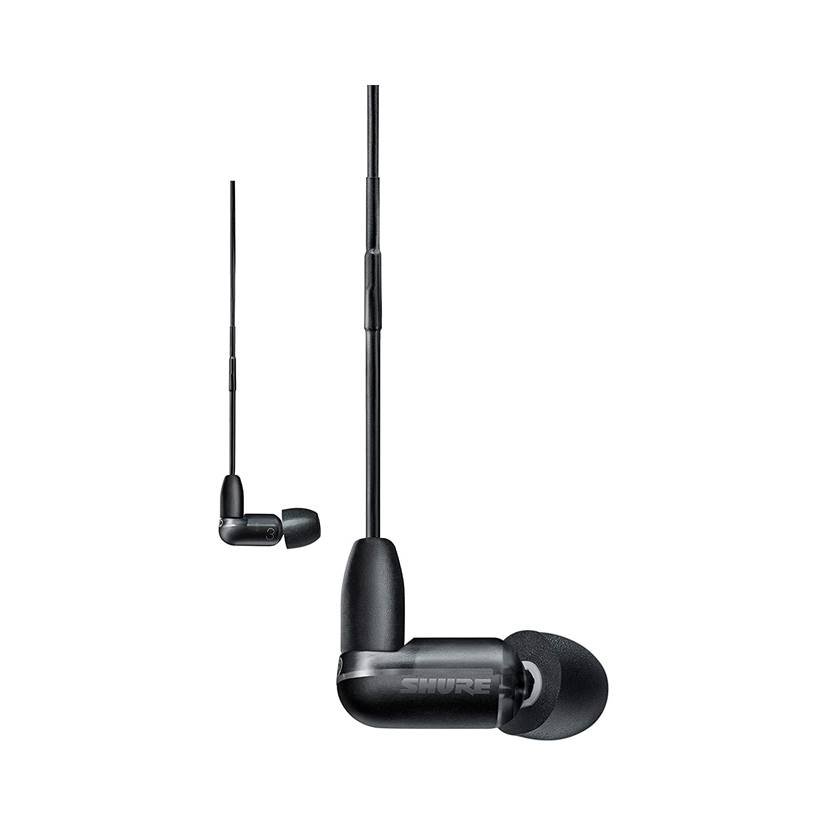
| Other Features | Single Driver. Full-Range, Clear Sound, Deep Bass Sound. SLEEK, LOW-PROFILE SHAPE designed for long-wearing comfort from the smallest earphone in the AONIC line. STRIKING FULL-RANGE SOUND from a single, vented balanced armature driver. Hear music the way it was meant to be heard. EASILY CONNECT TO OTHER MMCX CABLE ACCESSORIES for further customization. Stay connected to any device, no matter where you are. Engineered from decades of experience supporting music legends, the AONIC 3 Sound Isolating Earphones feature striking full-range sound in the smallest earphone design from Shure. SOUND ISOLATING TECHNOLOGY blocks up to 37 dB of noise to eliminate distractions. Enjoy the most immersive listening experience with a design that keeps earphones in and noise out during exercise or travel. |
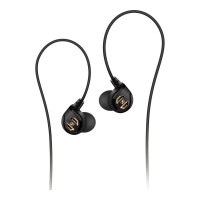
- Dynamic speaker systems with powerful neodymium magnets deliver greater sound definition and enhanced bass - Excellent attenuation of ambient noise of up to 20dB - Extremely durable housing and rugged cable - Sleek ergonomic design of ear-canal phones - 2-year warranty |
Compare SHURE AONIC 3 with:
Compare Sennheiser IE 60 with:
Top Differences
- Noise Cancelling: NA vs Passive
- Weight: 14 g vs 20.8 Gm
- Impedance: 16 Ohms Vs 26 ohm