 ALERT
ALERT
Advertisement
| Specification | ||
|---|---|---|
| Price | Rs.3,999.00 |
Rs.3,999.00 |
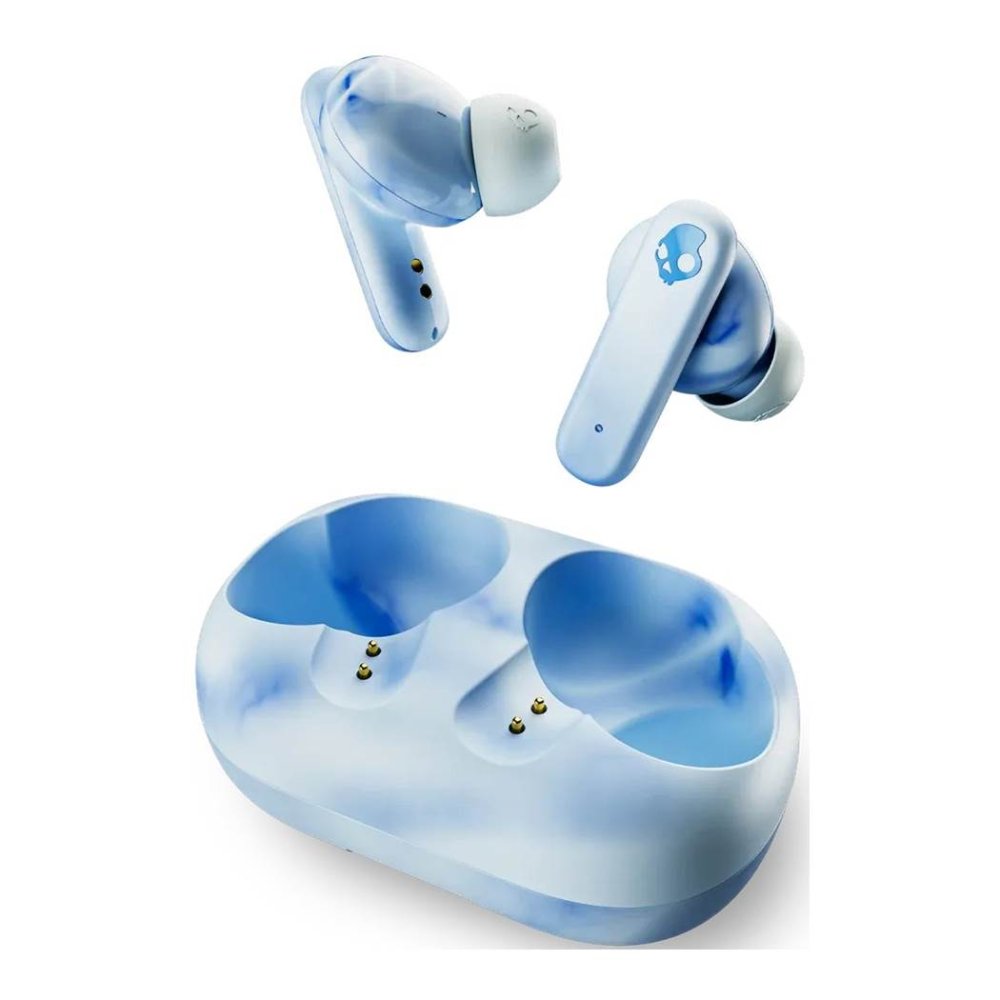
| Brand | Skullcandy |
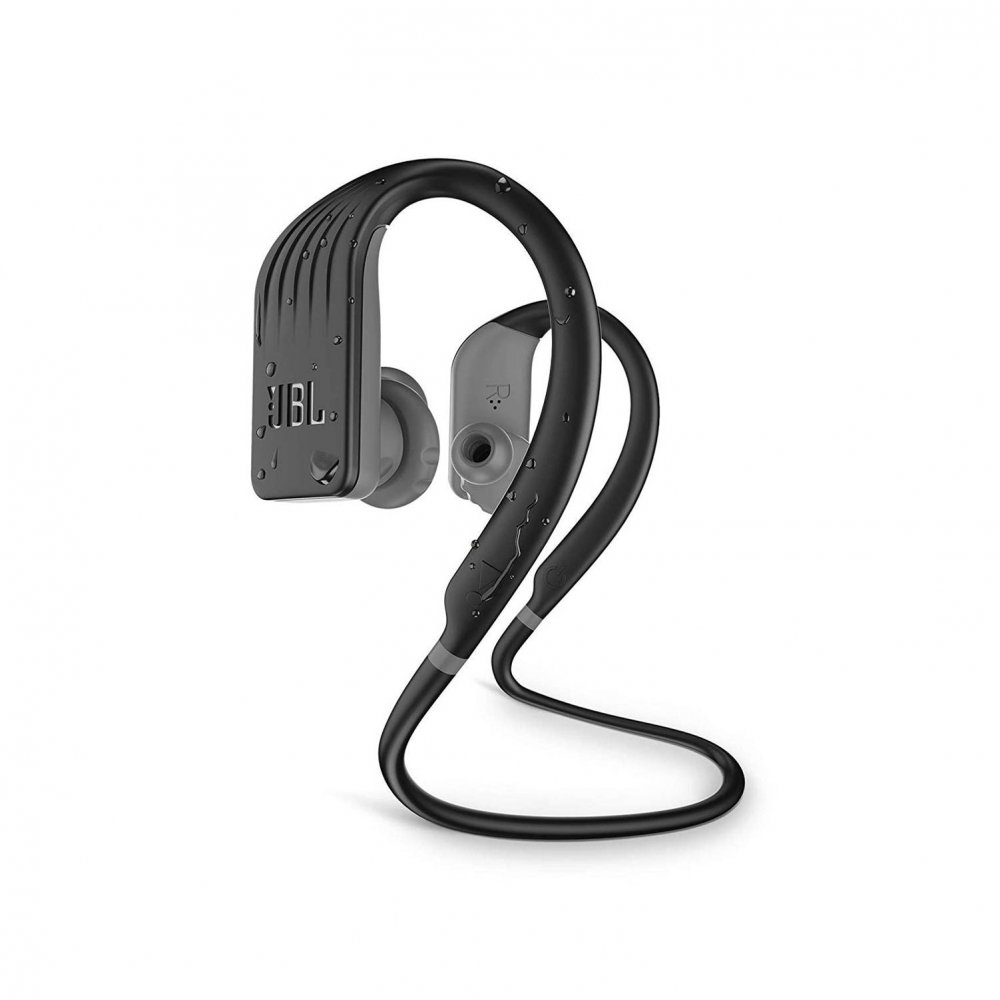
JBL |
| Model No | Ecobuds |
Endurance JUMP |
| Wired / Wireless | Wireless Headphone Specification |
Wireless Headphone Specification |
| Headphone Type | In Ear |
In Ear |
| Magnet Type | Dynamic |
Dynamic |
| Driver Diameter | 6 mm |
10 mm |
| Impedance | 16Ω ± 15% Ohms |
16 ohm |
| Sensitivity | 105dB ± 3dB |
-20dB |
| Frequency Response | 20Hz - 20KHz |
20 Hz - 20000 kHz |
| Maximum Power Input | DC 5V / 1A |
NA |
| Wireless / Bluetooth Details | ||
| Wireless Technology | Bluetooth |
Bluetooth |
| Bluetooth Version | 5.2 |
4.2 |
| Compatible Profiles | All Bluetooth Devices |
All Bluetooth Devices |
| Supported Codecs | AAC, SBC |
HFP, A2DP, AVRCP |
| Battery Type | Lithium-Ion Batteries |
Lithium-ion Polymer Battery |
| Bluetooth Range | 10 Meters |
10 Meters |
| Battery Life | 8 Hours |
8 Hours |
| Charging Time | 1 Hours |
2 Hours |
| Noise Cancelling | Sound Isolation |
NA |
| Available Colors | Blue |
Black, Blue, Red, Green, Yellow |
| Connector Plating | NA |
No |
| Cable | USB Type-C Charging Cable |
Charging Cable |
| Weight | 23.6 GM |
56 gm |
| Other Features | Noise Isolating Fit. Use Either Bud Solo. Battery-Free Charging Dock. IPX4 Sweat & Water Resistant. Touch Controls: call, track, volume. 3 Preset EQ Modes Music, Bass Boost, Podcast. 8 Hours Total Battery : When fully charged, EcoBuds gives you all-day listening with a 8 hours of playtime in the earbuds. Sustainable True Wireless Earbuds : EcoBuds are designed and manufactured with 65% recycled plastics, and, like every Skullcandy product, packaging is 100% recyclable. Preset EQ Modes : Enhance your listening experience by tuning your buds for any type of media content using EcoBuds' 3 preset EQ modes - Music, Bass Boost and Podcast. Batteries-Free : EcoBuds' battery-free charging dock highly reduces its total carbon footprint. Instead, charge directly from your phone using the integrated USB-C charging cable. A quick 10 minute charge gives you 2 hours of listening time. |
Hands-free calls. Never hurt. Never fall out. Durable silicone carrying case. Waterproof Wireless Sport In-Ear Headphones. Up to 8 hours of wireless playback with Speed Charge battery. Bluetooth® technology enables hands-free calling, allowing you to focus on your workout. Featuring IPX7, the JBL Endurance JUMP are designed to be used while swimming and in all weather conditions. Secure fi t ear hook design, which automatically turns the power on/off when putting on or taking off the earphones. |
Advertisement
Compare Skullcandy Ecobuds with:
Compare JBL Endurance JUMP with:
Top Differences
- Noise Cancelling: NA vs Sound Isolation
- Driver Size: 10 mm vs 6 mm
- Bluetooth: 4.2 vs 5.2
- Weight: 56 gm vs 23.6 GM
- Impedance: 16 ohm Vs 16Ω ± 15% Ohms
Advertisement