 ALERT
ALERT
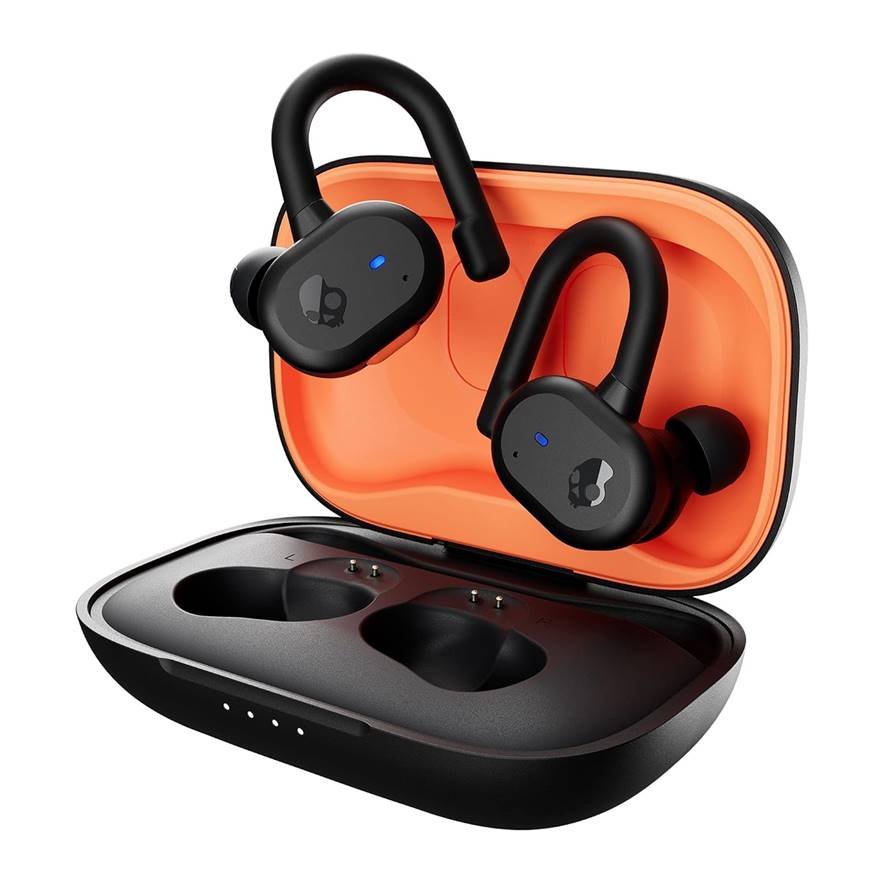
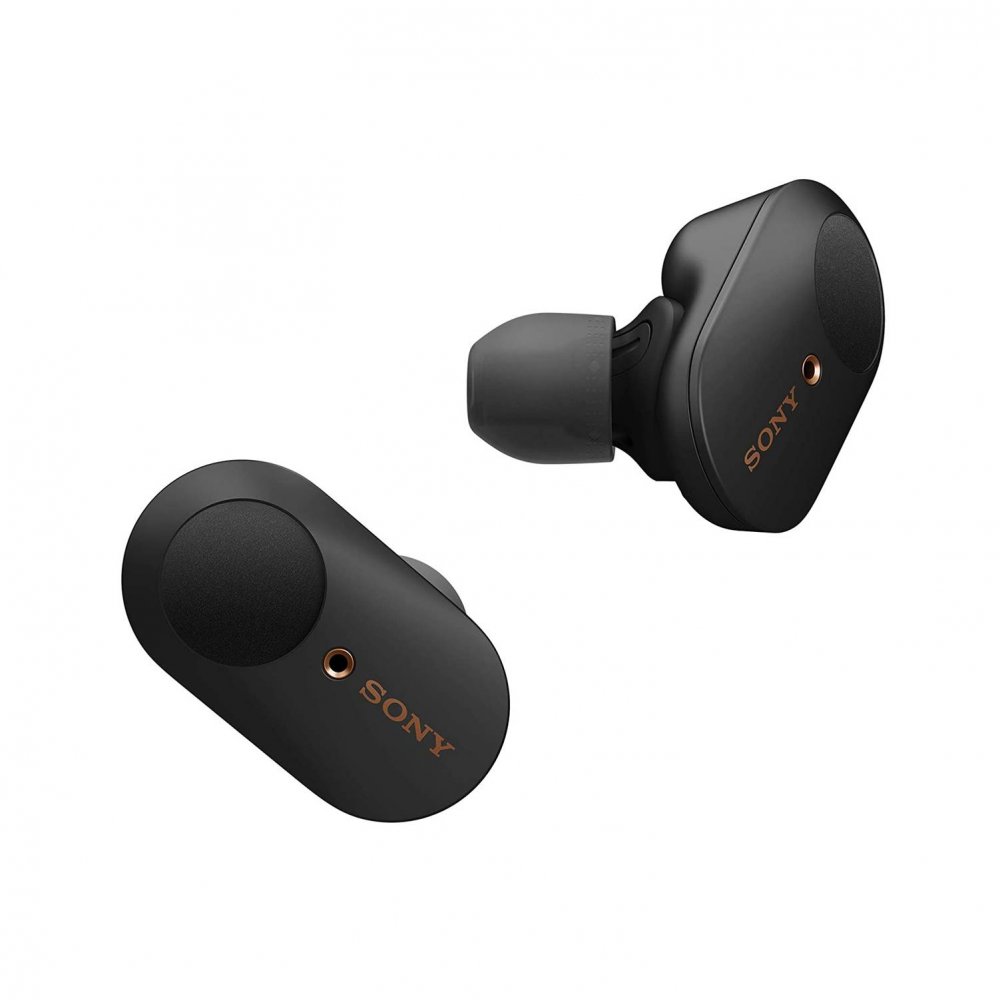
Skullcandy Push Play Active vs Sony WF-1000XM3
Advertisement
| Specification | ||
|---|---|---|
| Price | Rs.19,999.00 |
Rs.19,990.00 |
| Brand | Skullcandy |
Sony |
| Model No | Push Play Active |
WF-1000XM3 |
| Wired / Wireless | Wireless Headphone Specification |
Wireless Headphone Specification |
| Headphone Type | Over Ear |
In Ear |
| Magnet Type | Dynamic |
Neodymium |
| Driver Diameter | 6 mm |
6 mm |
| Impedance | 22± 15% ohms |
NA |
| Sensitivity | 104dB ± 3dB |
NA |
| Frequency Response | 20Hz - 20KHz |
20 Hz-20,000 Hz |
| Maximum Power Input | 5 V 2A |
5 V DC |
| Wireless / Bluetooth Details | ||
| Wireless Technology | Bluetooth |
Bluetooth |
| Bluetooth Version | 5.3 |
5.0 |
| Compatible Profiles | All Bluetooth Devices |
All Devises Support |
| Supported Codecs | AAC |
A2DP, AVRCP, HFP, HSP ,SBC, AAC |
| Battery Type | Lithium-Ion Batteries |
Lithium-ion Batteries |
| Bluetooth Range | 10 Meters |
10 Meters |
| Battery Life | Up To 44 Hours |
24 Hours |
| Charging Time | 2 Hours |
3.5 Hours |
| Noise Cancelling | NA |
NA |
| Available Colors | Black, Green, Grey |
Black, White |
| Connector Plating | NA |
NA |
| Cable | USB Type-C Charging Cable |
USB C - Type Charging Cable |
| Weight | 67 GM |
77 gm |
| Other Features | Stay-Aware Mode. Multipoint Pairing. Call & Media Controls. 44 Hours Total Battery. Sweat & Water Resistant​. Hands-Free Voice Control. Smart Feature Technology™. Find Your Earbuds with Tile®. IP55 Sweat and Water Resistant. Update Features with Skullcandy App. Flexible Secure-Fit Over-Ear Hangers. 34 Hours Total Battery + Rapid Charge​. Only Skullcandy audio is custom-tuned to deliver music you can feel. From the lyrics in your soul to the bass in your bones. Hours and hours of power : 34 hours of battery life takes you through your whole day — maybe your whole week. Plus, Rapid Charge gives you 2 hours of listening time on just a 10-minute charge. Sound that stays put : Flexible over-ear hangers keep your earbuds comfortably in place at the gym, on the trail or upside down in mid-air. No matter how intense the session gets, Push Play Active is there to bring the beat. Worry-free wireless : Push Play Active is built for abuse with tough construction and an IP55 water and dust-resistant rating. So go as big as you want — you don’t need to worry about sweat, rain, dusty trails or occasional bails. |
NFC : Yes Handy magnetic charging case. Dual Noise Sensor Technology. All day power and quick charging. Fine-tune settings from your phone. Talk at a touch with Quick Attention. Just say the word with Voice Assistant. Perfect for TV shows, movies and more. Extended battery life plus quick charging. Ergonomic Tri-hold structure for a secure fit. Superior listening with a new BLUETOOTH chip. Up to 24 hours of battery life4 for all-day listening. Small but powerful 6 mm dynamic driver for clear sound. Fine-tune your sound using the Sony|Headphones Connect app. Adaptive Sound Control automatically adjusts to whatever you do. DSEE HX upscales compressed music to near high-resolution sound quality. Alexa-enabled for hands-free voice access to music, information, and more. The Quick Attention function lets you chat easily without removing your headphones. Digital Noise Cancelling with HD Noise Cancelling Processor QN1e and Dual Noise Sensor Technology. |
Advertisement
Compare Skullcandy Push Play Active with:
Compare Sony WF-1000XM3 with:
Top Differences
- Battery Life: 24 Hours vs Up To 44 Hours
- Bluetooth: 5.0 vs 5.3
- Weight: 77 gm vs 67 GM
- Impedance: NA Vs 22± 15% ohms
Advertisement