 ALERT
ALERT
Skullcandy Push Ultra vs Panasonic RP-HTX90NGC
Advertisement
| Specification | ||
|---|---|---|
| Price | Rs.14,999.00 |
Rs.14,999.00 |
| Brand | Skullcandy |
Panasonic |
| Model No | Push Ultra |
RP-HTX90NGC |
| Wired / Wireless | Wireless Headphone Specification |
Wireless Headphone Specification |
| Headphone Type | In Ear Canal |
Over Ear |
| Magnet Type | Dynamic |
Neodymium |
| Driver Diameter | 12.5 mm |
40 mm |
| Impedance | 32 Ohms |
35 ohm |
| Sensitivity | 101-107dB |
91dB/mW |
| Frequency Response | 20 Hz - 20000 Hz |
8 Hz - 25000 kHz |
| Maximum Power Input | NA |
10 mW |
| Wireless / Bluetooth Details | ||
| Wireless Technology | Bluetooth |
Bluetooth |
| Bluetooth Version | 5.0 |
4.2 |
| Compatible Profiles | All Bluetooth Devices |
All Bluetooth Devices |
| Supported Codecs | HSP, HFP, AVRCP, A2DP |
A2DP, AVRCP, HSP, HFP, SBC |
| Battery Type | Lithium Polymer Batteries |
Lithium Polymer Batteries |
| Bluetooth Range | 10 Meters |
10 Meters |
| Battery Life | 40 Hours |
24 Hours |
| Charging Time | 2 Hours |
4 Hours |
| Noise Cancelling | Active |
Active |
| Available Colors | Black, Blue, Red, Yellow |
Black, White, Blue |
| Connector Plating | NA |
3.5 mm MiniPlug Gold |
| Cable | Type-C USB Charging Cable |
USB Charging Cable |
| Weight | 139.5 gm |
208 gm |
| Other Features | Wireless Charging Case. IP67 Sweat and Waterproof. Full Controls from Each Bud. Find your Earbuds with Tileâ„¢. Moldable Hooks + Stay-Aware Buds. 40 Hours Total Battery + Rapid Charge. |
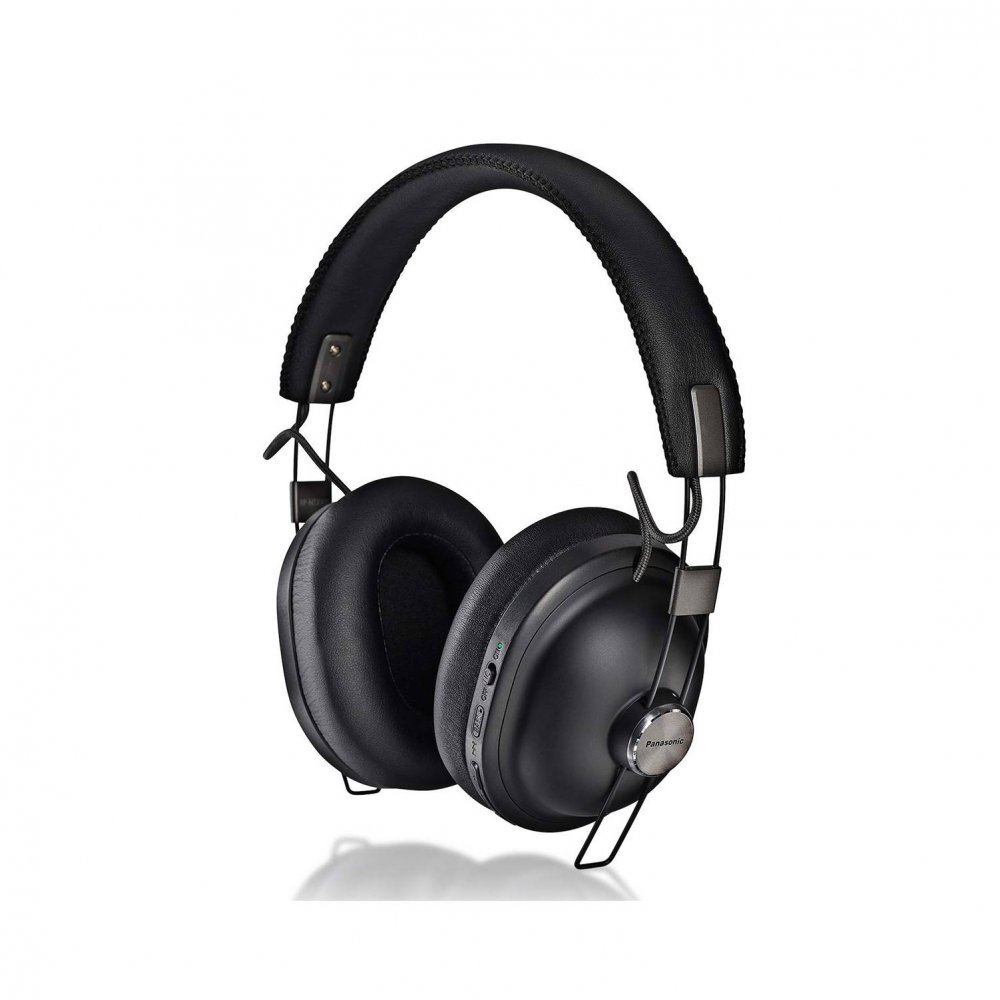
Noise cancelling switch on active noise canceling while commuting, traveling or anywhere to enjoy all the sounds you want to hear and tune out all the ones you don’t. Dual 40 millimeter neodymium driver units deliver clear, powerful sound; acoustic bass control with bass Enhancer amplifies bass and trebles for clear, satisfying playback. High capacity battery with a full charge, The headphones' High capacity battery provides up to 24 hours of playback; A 15 minute quick charge keeps the music flowing for up to 2. 5 hours. Premium wireless headphones includes voice assist to choose music, switch tracks, adjust volume and make and take calls; A single touch activates your smartphone's voice assist functions, such as Siri*. |

Advertisement
Compare Skullcandy Push Ultra with:
Compare Panasonic RP-HTX90NGC with:
Top Differences
- Battery Life: 24 Hours vs 40 Hours
- Driver Size: 40 mm vs 12.5 mm
- Bluetooth: 4.2 vs 5.0
- Weight: 208 gm vs 139.5 gm
- Impedance: 35 ohm Vs 32 Ohms
Advertisement