 ALERT
ALERT
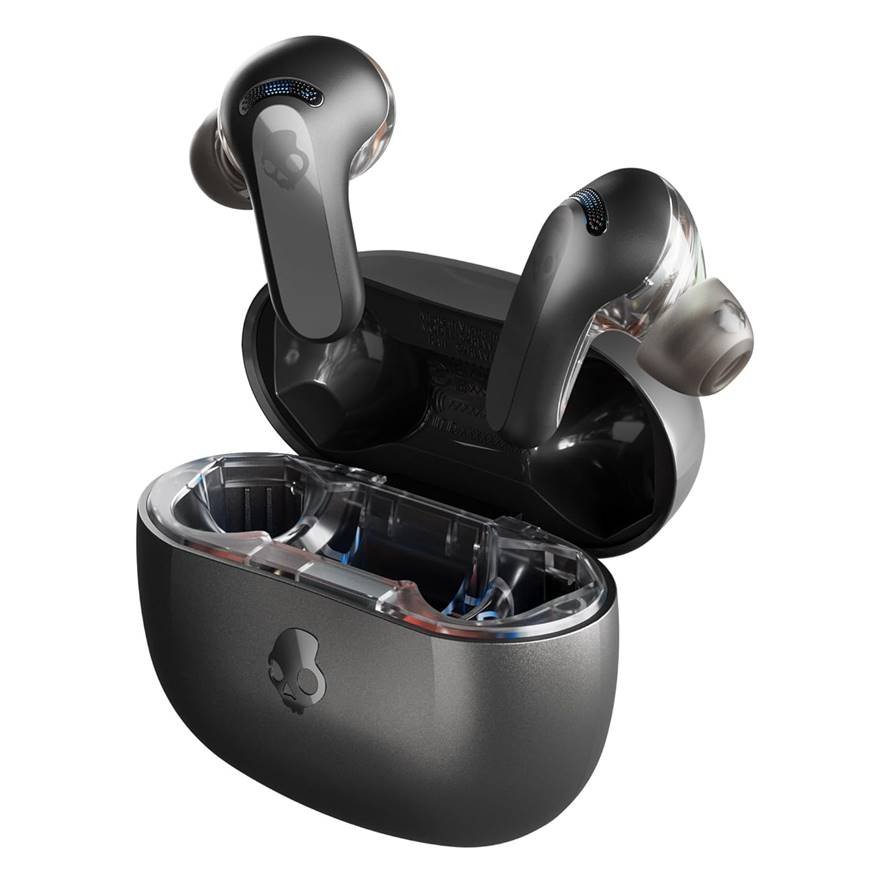
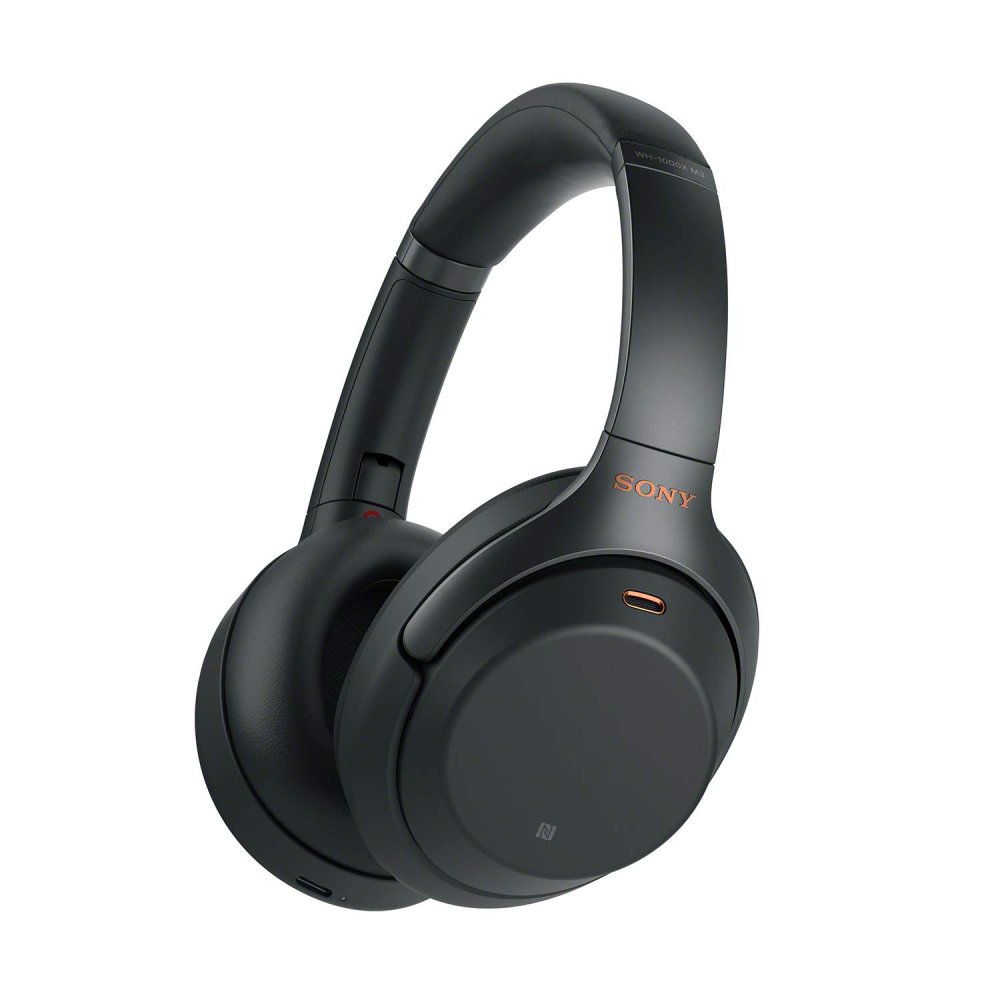
Skullcandy Rail ANC True Wireless Earbuds vs Sony WH-1000XM3
Advertisement
| Specification | ||
|---|---|---|
| Price | Rs.29,999.00 |
Rs.29,990.00 |
| Brand | Skullcandy |
Sony |
| Model No | Rail ANC True Wireless Earbuds |
WH-1000XM3 |
| Wired / Wireless | Wireless Headphone Specification |
Wireless Headphone Specification |
| Headphone Type | In Ear |
Over Ear |
| Magnet Type | Dynamic |
Neodymium |
| Driver Diameter | 12 mm |
40 mm |
| Impedance | 32±15% ohms |
16/47 ohm |
| Sensitivity | 97dB ± 3dB |
104 dB/mW |
| Frequency Response | 20Hz - 20KHz |
4 Hz - 40,000 Hz |
| Maximum Power Input | 5 V 2A |
5 V DC |
| Wireless / Bluetooth Details | ||
| Wireless Technology | Bluetooth |
Bluetooth |
| Bluetooth Version | 5.2 |
4.2 |
| Compatible Profiles | All Bluetooth Devices |
All Bluetooth Devices |
| Supported Codecs | AAC |
A2DP, AVRCP, HFP, HSP, SBC, AAC, aptX, aptX HD, LDAC |
| Battery Type | Lithium-Ion Batteries |
Lithium-ion Batteries |
| Bluetooth Range | 10 Meters |
10 Meters Class 2 |
| Battery Life | 38 Hours |
30 Hrs (NC On) |
| Charging Time | 1.5 Hours |
3 Hours |
| Noise Cancelling | Active Noise Cancelling |
Active |
| Available Colors | Black, White |
Black, White |
| Connector Plating | NA |
3.5 mm Gold-Plated L-Shaped Stereo Mini Plug |
| Cable | USB Type-C Charging Cable |
USB C-Type Cable |
| Weight | 49.8 GM |
255 gm |
| Other Features | Wireless Charging Case. Personal Sound by Mimi®. IPX4 Sweat & Water Resistant. Skull-iQ Smart Feature Technology®. 38 Hours Total Battery + Rapid Charge. Adjustable 4-Mic Active Noise Canceling. Multipoint Pairing lets you connect your earbuds to two devices simultaneously — Rail ANC will switch between devices seamlessly without the need to re-pair. Mega Noise Cancelling - The Rail ANC listens to the outside noise to actively mute the world around you. You can also adjust the noise cancellation level between mute, hearing and between. Skull-iQ integration allowing you to customize your sound and control your earbuds. With the app, you can adjust the EQ settings, track battery life, and activate Tile, which helps you locate your lost earbuds. Latest Sound Tech - The Rail ANC is Skullcandy's latest premium earbuds featuring our best driver yet with deep bass and a huge dynamic range. Plus, Personal Sound lets you tune the sound to your unique hearing through the Skull-iQ App. 27 Hours Battery - With an incredible 27 hours of battery to keep your Rail ANC powered. The earbuds hold 7 hours and the charging case holds 20 hours with ANC on. Plus, using rapid charge, the first 10 minutes of your charge will give you 2 hours of play. |
NFC: Yes Quick Attention: Yes Ambient Sound Mode: Yes Noise Cancellation Switch: Yes All day power and quick charging. Volume Control Touch Sensor: Yes Gold-plated L-shaped Stereo Mini Plug. Atmospheric Pressure Optimization: Yes High-quality audio with DSEE HXâ„¢ and LDAC. |
Advertisement
Compare Skullcandy Rail ANC True Wireless Earbuds with:
Compare Sony WH-1000XM3 with:
Top Differences
- Battery Life: 30 Hrs (NC On), 38 Hrs (NC Off) vs 38 Hours
- Driver Size: 40 mm vs 12 mm
- Bluetooth: 4.2 vs 5.2
- Weight: 255 gm vs 49.8 GM
- Impedance: 16/47 ohm Vs 32±15% ohms
Advertisement