 ALERT
ALERT
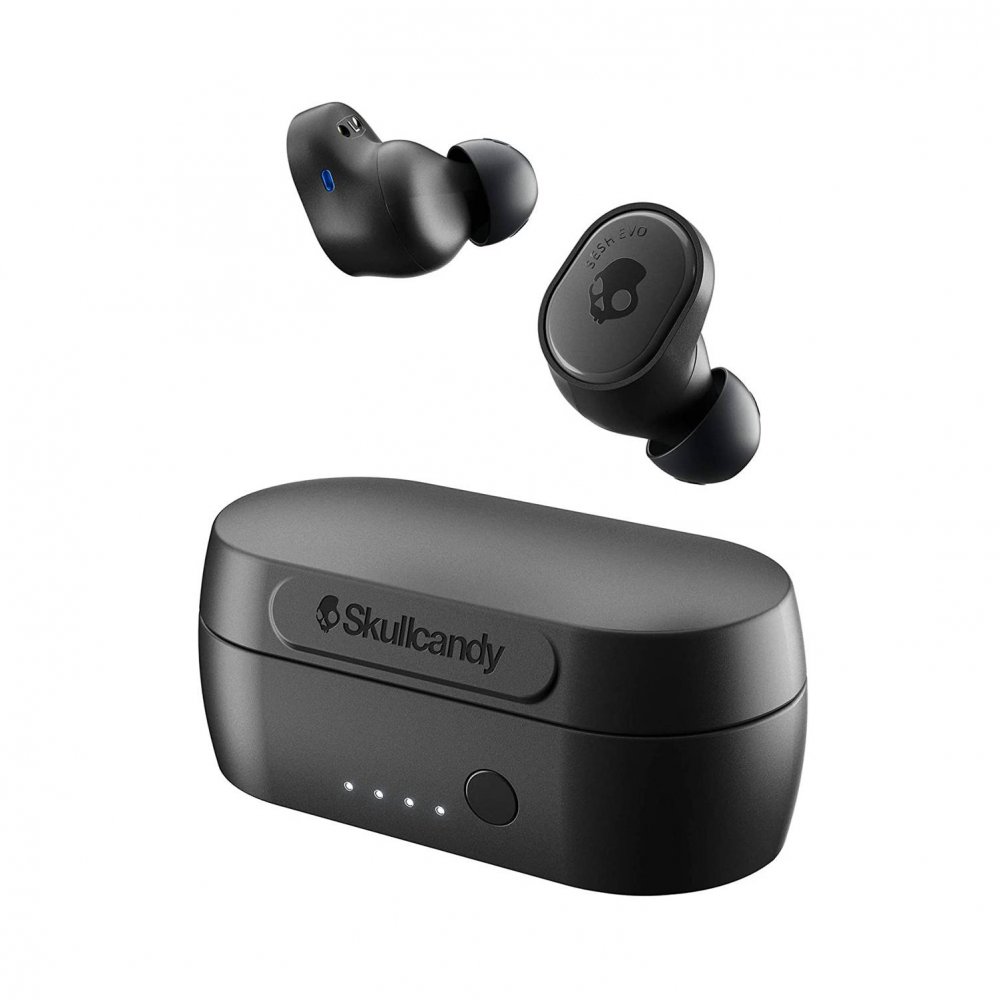
Skullcandy Sesh Evo vs JBL TUNE 220TWS
Advertisement
| Specification | ||
|---|---|---|
| Price | Rs.7,999.00 |
Rs.7,999.00 |
| Brand | Skullcandy |
JBL |
| Model No | Sesh Evo |
TUNE 220TWS |
| Wired / Wireless | Wireless Headphone Specification |
Wireless Headphone Specification |
| Headphone Type | In Ear |
In Ear |
| Magnet Type | Dynamic |
Dynamic |
| Driver Diameter | 6 mm |
12.5 mm |
| Impedance | 32 Ohm |
32 ohm |
| Sensitivity | 99-105dB |
105dB |
| Frequency Response | 20 Hz - 20000 Hz |
20 Hz - 20000 kHz |
| Maximum Power Input | NA |
5 V 1.0 A |
| Wireless / Bluetooth Details | ||
| Wireless Technology | Bluetooth |
Bluetooth |
| Bluetooth Version | 5.0 |
5.0 |
| Compatible Profiles | All Bluetooth Devices |
All Bluetooth Devices |
| Supported Codecs | HSP, HFP, AVRCP, A2DP |
A2DP, AVRCP, HFP |
| Battery Type | Lithium Polymer Batteries |
Lithium-ion Battery |
| Bluetooth Range | 10 Meters |
10 Meters |
| Battery Life | 24 Hours |
19 Hours |
| Charging Time | 2 Hours |
< 2 Hours |
| Noise Cancelling | Ambient |
NA |
| Available Colors | Black, Blue, Red, Green, Grey |
Black, White, Blue, Green, Grey, Pink |
| Connector Plating | NA |
No |
| Cable | Type-C USB Charging Cable |
Micro-USB Charging Cable |
| Weight | 63.5 gm |
57 gm |
| Other Features | Use Either Bud Solo. Find your Earbuds with Tileâ„¢. Call, Track and Volume Control. Music, Movie and Podcast EQ Modes. IP55 Sweat, Water and Dust Resistant. 24 Hours Total Battery + Rapid Charge. The buds themselves hold up to 5 hours, and the case charges the buds 3 times between plug-ins. Plus, with Rapid Charge, the first 10 minutes of charging give you 2 hours of play time. |
JBL Pure Bass Sound. Stay connected, not wired. Voice Assistant Integration. Distortion Free Stereo Calling. Hands Free Call.Remote control on ear cups?. Control on the go with buttons on left and right earbuds. Connect to true sound in a design that pops in every color. Up to 19 hours of combined playback: the sound never quits. Stylish and Sleek with Metallic Finish Buds and Charging Case. |

Advertisement
Compare Skullcandy Sesh Evo with:
Compare JBL TUNE 220TWS with:
Top Differences
- Battery Life: 19 Hours vs 24 Hours
- Noise Cancelling: NA vs Ambient
- Driver Size: 12.5 mm vs 6 mm
- Weight: 57 gm vs 63.5 gm
Advertisement