 ALERT
ALERT
Advertisement
| Specification | ||
|---|---|---|
| Price | Rs.1,000.00 |
Rs.999.00 |
| Brand | Skullcandy |
Beyerdynamic |
| Model No | X5SHFZ-826 |
Beat Byrd |
| Wired / Wireless | Wired Headphone Specification |
Wired Headphone Specification |
| Headphone Type | On Ear |
In Ear |
| Magnet Type | Neodymium |
Dynamic |
| Driver Diameter | 30 mm |
NA |
| Impedance | 32 ohms |
18 ohm |
| Sensitivity | NA |
104 dB SL |
| Frequency Response | 20 - 20,000 Hz |
15 - 21,000 Hz |
| Maximum Power Input | NA |
1 mW |
| Noise Cancelling | No |
NA |
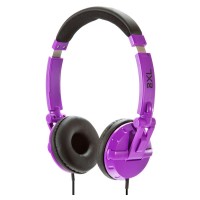
| Available Colors | Purple |
Black, Orange |
| Connector Plating | 3.5 mm Gold Plated Plug |
3.5 mm Gold-Plated Stereo Jack |
| Cable | 1.2 m |
Tangle Resistant Cable |
| Weight | NA |
5 g |
| Other Features | - Good sound quality and good bass. |
True reliability and extremely sustainable. Well-balanced sound tuning and punchy bass. Ergonomically shaped housing ensures secure and snug fit in the ear. Flexible and well-designed cable, remains free of zigzag distortions and is pleasant to wear. |

Advertisement
Compare Skullcandy X5SHFZ-826 with:
Compare Beyerdynamic Beat Byrd with:
Top Differences
- Noise Cancelling: No vs NA
- Driver Size: 30 mm vs NA
- Weight: NA vs 5 g
- Impedance: 32 ohms Vs 18 ohm
Advertisement