 ALERT
ALERT
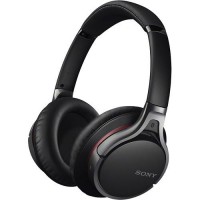
Sony MDR-10RBT vs boAt Nirvana Iris
Advertisement
| Specification | ||
|---|---|---|
| Price | Rs.14,990.00 |
Rs.14,990.00 |
| Brand | Sony |
boAt |
| Model No | MDR-10RBT |
Nirvana Iris |
| Wired / Wireless | Wireless Headphone Specification |
Wireless Headphone Specification |
| Headphone Type | Over Ear |
In Ear |
| Magnet Type | Neodymium |
Dynamic |
| Driver Diameter | 40 mm |
10 mm X 2 |
| Impedance | 36 ohms |
32 Ohms |
| Sensitivity | 102 dB |
98dB ± 3dB |
| Frequency Response | 5 - 40,000 Hz |
20Hz - 20KHz |
| Maximum Power Input | 1500 mW |
DC 5V |
| Wireless / Bluetooth Details | ||
| Wireless Technology | Bluetooth |
Bluetooth |
| Bluetooth Version | 3.0 |
5.3 |
| Compatible Profiles | A2DP, AVRCP, HFP, HSP |
All Bluetooth Devices |
| Supported Codecs | SBC, AAC, aptX |
AAC, SBC |
| Battery Type | Lithium Ion Rechargeable Battery |
Lithium-Ion Batteries |
| Bluetooth Range | 30 ft (10 m) |
10 Meters |
| Battery Life | Music Playtime: 17 hr |
120 Hours |
| Charging Time | 2.5 hr |
2.5 Hours |
| Noise Cancelling | No |
Active Noise Cancelling |
| Available Colors | Black |
Black, White |
| Connector Plating | L-Shaped 3.5 mm Gold Plated Plug |
NA |
| Cable | 1.2 m |
USB Type-C Charging Cable |
| Weight | 210 g (including rechargeable battery) |
45 GM |
| Other Features | - One-touch Listening with NFC (Near Field Communications) - Microphone Unit Type: Electret Condenser - Built-In microphone for hands-free calling - Built-In remote with play, pause, stop, FF and FR functionality - Microphone Frequency Range: 100Hz - 4,000Hz |
In-Ear Detection : Playing or pausing the sound with these earbuds is as simple as inserting and removing your earbuds. Never miss out on your calls or playlist favorites while using minimal effort. Up to 32 dB Active Noise Cancellation : Transcend chaos with the up to 32 dB active noise cancellation of the boAt Nirvana Iris TWS Earbuds. Enjoy your playlists and podcasts with crystal-clear audio for an extra dose of entertainment. Humongous Playback : Listen to your favorite songs on repeat and keep up with the latest OTT content with up to 120 hours of playtime. Nirvana Iris keeps you plugged into the sound without the pesky interruptions of low battery levels. Multipoint Connection : Stay connected to the audio on up to 2 devices simultaneously with these earbuds. Thanks to multipoint connectivity, you can attend meetings on your laptop and receive phone calls hands-free without repeatedly connecting to your devices. Dual EQ Modes With Crystal Bionic Sound : High-fidelity 10 mm drivers in these earbuds deliver Crystal Bionic Sound powered by HiFi for an immersive experience. For a personalized feel, you can choose either the bass-rich boAt Signature Sound or the engrossing audio of Balanced Mode. |

Advertisement
Compare Sony MDR-10RBT with:
Compare boAt Nirvana Iris with:
Top Differences
- Battery Life: Music Playtime: 17 hr, Talk Time: 17 hr, Standby Time: 450 hr vs 120 Hours
- Noise Cancelling: No vs Active Noise Cancelling
- Driver Size: 40 mm vs 10 mm X 2
- Bluetooth: 3.0 vs 5.3
- Weight: 210 g (including rechargeable battery) vs 45 GM
Advertisement