 ALERT
ALERT
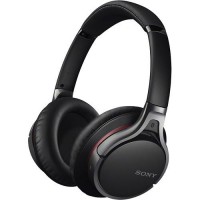
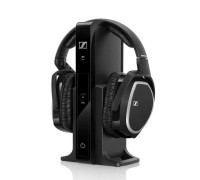
Sony MDR-10RBT vs Sennheiser RS 165
Advertisement
| Specification | ||
|---|---|---|
| Price | Rs.14,990.00 |
Rs.14,500.00 |
| Brand | Sony |
Sennheiser |
| Model No | MDR-10RBT |
RS 165 |
| Wired / Wireless | Wireless Headphone Specification |
Wireless Headphone Specification |
| Headphone Type | Over Ear |
Over Ear |
| Magnet Type | Neodymium |
Neodymium |
| Driver Diameter | 40 mm |
NA |
| Impedance | 36 ohms |
32 Ohms |
| Sensitivity | 102 dB |
106 dB/mW |
| Frequency Response | 5 - 40,000 Hz |
18 Hz-21,000 Hz |
| Maximum Power Input | 1500 mW |
NA |
| Wireless / Bluetooth Details | ||
| Wireless Technology | Bluetooth |
Radio Frequency |
| Bluetooth Version | 3.0 |
|
| Compatible Profiles | A2DP, AVRCP, HFP, HSP |
|
| Supported Codecs | SBC, AAC, aptX |
|
| Battery Type | Lithium Ion Rechargeable Battery |
Self-Discharge NiMH Rechargeable Batteries |
| Bluetooth Range | 30 ft (10 m) |
|
| Battery Life | Music Playtime: 17 hr |
18 Hrs |
| Charging Time | 2.5 hr |
Approx 9 H |
| Noise Cancelling | No |
NA |
| Available Colors | Black |
Black |
| Connector Plating | L-Shaped 3.5 mm Gold Plated Plug |
3.5 mm Gold Plated Jack |
| Cable | 1.2 m |
NA |
| Weight | 210 g (including rechargeable battery) |
Approx. 300 g |
| Other Features | - One-touch Listening with NFC (Near Field Communications) - Microphone Unit Type: Electret Condenser - Built-In microphone for hands-free calling - Built-In remote with play, pause, stop, FF and FR functionality - Microphone Frequency Range: 100Hz - 4,000Hz |
- TR 165 transmitter - Audio cable (analog) - Power supply with 4 adapters - 2 AAA NiMH rechargeable batteries - Closed, circumaural headphones with excellent digital wireless audio transmission - High-quality Sennheiser transducers and a selectable Bass Boost mode for vibrant sound - Intelligently designed controls for maximum ease of use - Multi-purpose transmitter – also functions as ‘easy-charge’ cradle and docking station - Multi-receiver transmission – transmitter supports up to two pairs of headphones simultaneously - Ergonomic design for enhanced wearing comfort - 2-year warranty |
Advertisement
Compare Sony MDR-10RBT with:
Compare Sennheiser RS 165 with:
Top Differences
- Battery Life: Music Playtime: 17 hr, Talk Time: 17 hr, Standby Time: 450 hr vs 18 Hrs
- Noise Cancelling: No vs NA
- Driver Size: 40 mm vs NA
- Weight: 210 g (including rechargeable battery) vs Approx. 300 g
- Impedance: 36 ohms Vs 32 Ohms
Advertisement