 ALERT
ALERT
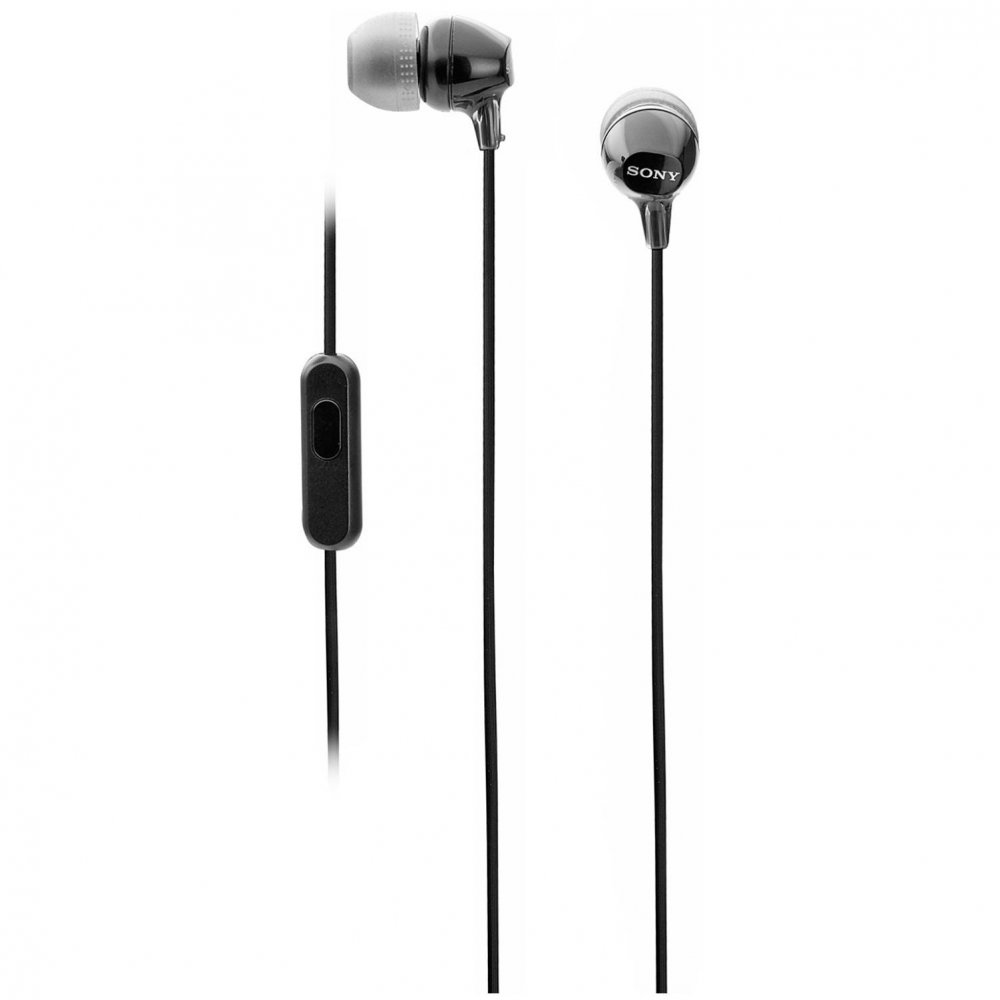
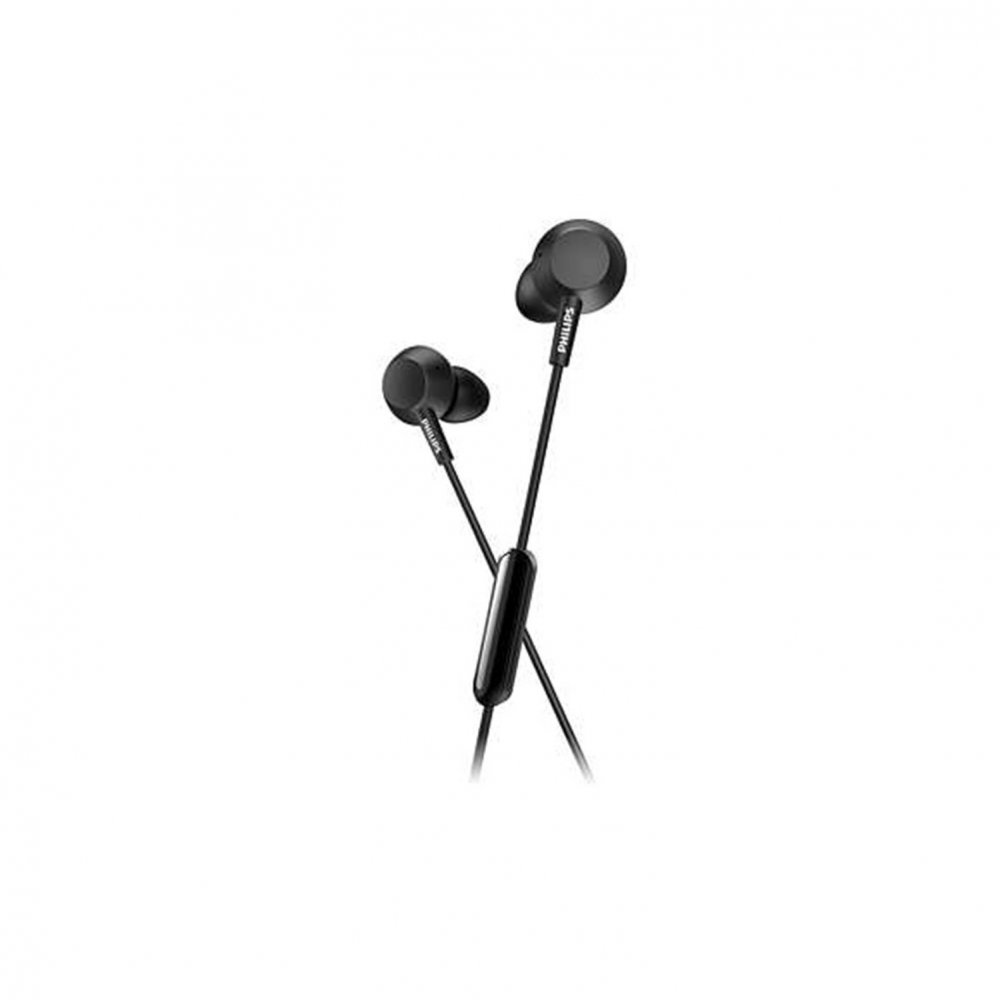
Sony MDR-EX14AP vs Philips TAE4105WT/00
Advertisement
| Specification | ||
|---|---|---|
| Price | Rs.1,290.00 |
Rs.1,200.00 |
| Brand | Sony |
Philips |
| Model No | MDR-EX14AP |
TAE4105WT/00 |
| Wired / Wireless | Wired Headphone Specification |
Wired Headphone Specification |
| Headphone Type | In Ear Canal |
In Ear Canal |
| Magnet Type | Neodymium |
Neodymium |
| Driver Diameter | 9 mm |
10 mm |
| Impedance | 16 ohm |
32 ohm |
| Sensitivity | 100 dB/mW |
104 dB |
| Frequency Response | 8 Hz - 22,000 Hz |
20 Hz - 20000 kHz |
| Maximum Power Input | 100 mW |
10 mW |
| Noise Cancelling | NA |
Passive |
| Available Colors | Black, Blue |
Black, White, Blue, Red |
| Connector Plating | 3.5 mm |
3.5 mm Stereo Nickel -Plated Jack |
| Cable | Tangle- Free Cable |
Tangle- Free Flat Cable |
| Weight | 3 gm |
19 gm |
| Other Features | Comfortable, secure-fitting silicone earbuds. Lightweight for ultimate music mobility. 9 mm neodymium drivers for powerful, balanced sound. Gold-plated L-shaped four-conductor stereo mini. Android, Google Play and Google are trademarks of Google, Inc. |
Punchy bass. Clear sound. Small. Snug. Comfortable. From focus playlist to vital call. Rock your music in real comfort. 1.2 m cable with 3.5 mm connector. Powerful 10 mm neodymium drivers. 3 interchangeable rubber earbud covers. Inline remote. Easily control music and calls. Oval acoustic tube fits comfortably in your ear canal. |
Advertisement
Compare Sony MDR-EX14AP with:
Compare Philips TAE4105WT/00 with:
Top Differences
- Noise Cancelling: NA vs Passive
- Driver Size: 9 mm vs 10 mm
- Weight: 3 gm vs 19 gm
- Impedance: 16 ohm Vs 32 ohm
Advertisement