 ALERT
ALERT
Sony MDR-EX15AP-V vs JBL Tempo In-Ear J01U
Advertisement
| Specification | ||
|---|---|---|
| Price | Rs.850.00 |
Rs.899.00 |
| Brand | Sony |
JBL |
| Model No | MDR-EX15AP-V |
Tempo In-Ear J01U |
| Wired / Wireless | Earphone Specification |
Earphone Specification |
| Headphone Type | In Ear Canal |
In Ear Canal |
| Magnet Type | Neodymium |
NA |
| Driver Diameter | 9 mm |
9 mm |
| Impedance | 16 Ohms |
16 ohms |
| Sensitivity | 100 dB/mW |
96 dB |
| Frequency Response | 8Hz - 22,000Hz |
20 - 20,000 Hz |
| Maximum Power Input | 1000 mW |
10 mW |
| Noise Cancelling | NA |
No |
| Available Colors | Black, White, Blue, Red |
Blue |
| Connector Plating | 3.5 mm Gold Plated Jack |
3.5 mm Gold Plated Plug |
| Cable | 1.2 m |
1.2 m |
| Weight | 3 g |
NA |
| Other Features | - Enjoy clear, powerful sound with high-power neodymium magnets - Avoid annoying tangles with the Y-type cord and slider - Get a comfortable fit with hybrid silicone earbuds (3 sizes) - Cord adjuster supplied - Customize smartphone controls for Android devices with Sony’s easy-to-use Smart Key app |
- Exceptional bass and smooth vocals - Latex-free silicone sleeves |
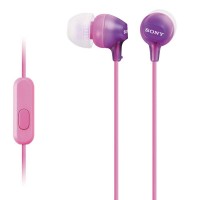
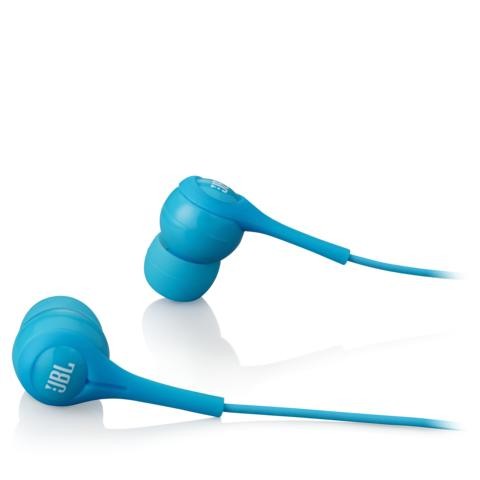
Advertisement
Compare Sony MDR-EX15AP-V with:
Compare JBL Tempo In-Ear J01U with:
Top Differences
- Noise Cancelling: No vs NA
- Weight: NA vs 3 g
Advertisement