 ALERT
ALERT
Advertisement
| Specification | ||
|---|---|---|
| Price | Rs.1,100.00 |
Rs.1,000.00 |
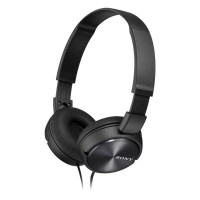
| Brand | Sony |
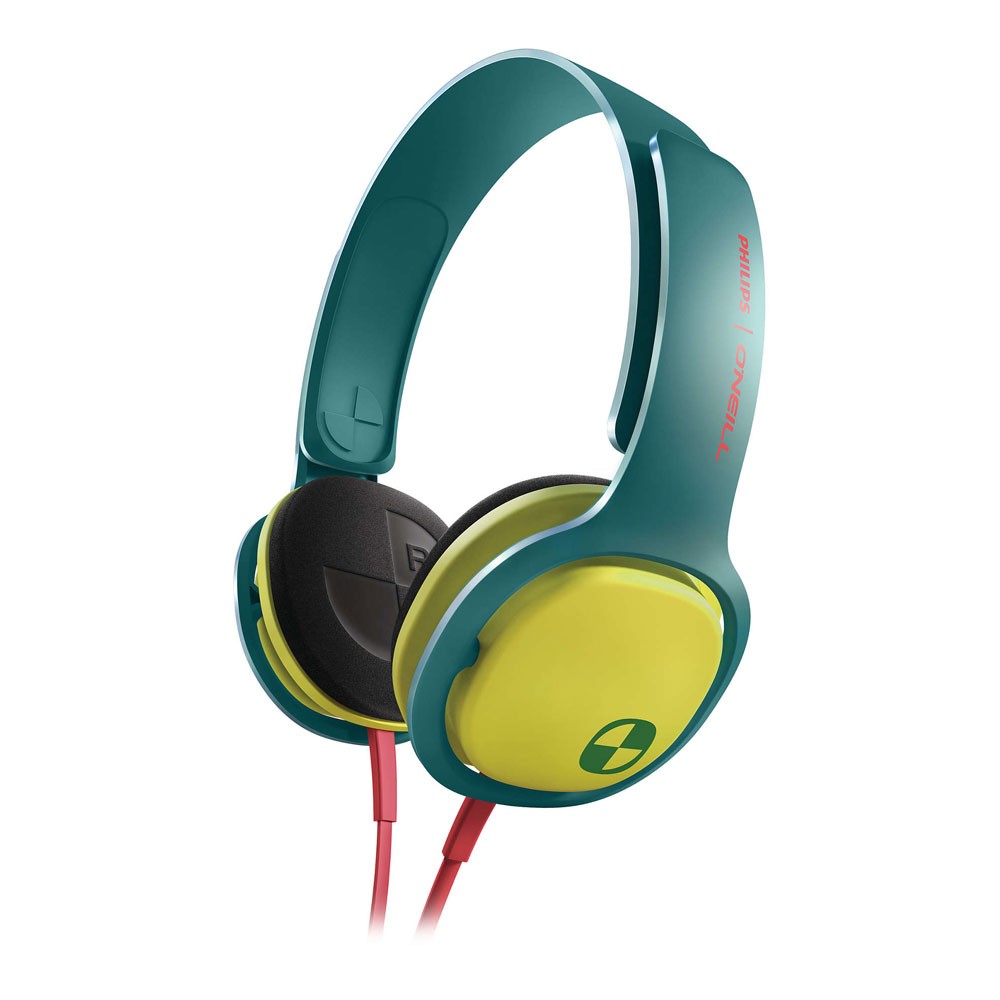
Philips |
| Model No | MDR-ZX310 |
SHO3300ACID-00 |
| Wired / Wireless | Wired Headphone Specification |
Wired Headphone Specification |
| Headphone Type | On Ear |
On Ear |
| Magnet Type | Neodymium |
Neodymium |
| Driver Diameter | 30 mm |
32 mm |
| Impedance | 24 ohms |
32 Ohms |
| Sensitivity | 98 dB |
104 dB/mW |
| Frequency Response | 10 - 24,000Hz |
19 Hz -21000 Hz |
| Maximum Power Input | NA |
30 mW |
| Noise Cancelling | No |
NA |
| Available Colors | Black, White |
Green |
| Connector Plating | L-Shaped 3.5 mm Gold Plated Plug |
3.5 mm Silver Plated Jack |
| Cable | 1.2 |
1.2 |
| Weight | 125 g |
118 g |
| Other Features | - A sleek, stylish metallic housing gives your headphones a bold new look |
- L-Shape Connector Enhances Cable Durability and Lifespan - 32mm Neodymium Drivers Deliver Dynamic Larger-Than-Life Bass - Soft, Breathable Fabric Cushions Ensure Long Wearing Comfort - Comfortable Headband Easily Adjusts to Every Head Size - Ultra-Tough, Tangle-Free Flat Cable |
Advertisement
Compare Sony MDR-ZX310 with:
Compare Philips SHO3300ACID-00 with:
Top Differences
- Noise Cancelling: No vs NA
- Driver Size: 30 mm vs 32 mm
- Weight: 125 g vs 118 g
- Impedance: 24 ohms Vs 32 Ohms
Advertisement