 ALERT
ALERT
Sony WF-XB700 vs Philips TAT4506
Advertisement
| Specification | ||
|---|---|---|
| Price | Rs.11,990.00 |
Rs.11,999.00 |
| Brand | Sony |
Philips |
| Model No | WF-XB700 |
TAT4506 |
| Wired / Wireless | Wireless Headphone Specification |
Wireless Headphone Specification |
| Headphone Type | In Ear |
In Ear |
| Magnet Type | Neodymium |
Dynamic |
| Driver Diameter | 12 mm |
10 mm |
| Impedance | NA |
16 Ohms |
| Sensitivity | NA |
105 dB @1K Hz |
| Frequency Response | 20 Hz-20,000 Hz |
20Hz - 20KHz |
| Maximum Power Input | 5 V DC |
5 mW |
| Wireless / Bluetooth Details | ||
| Wireless Technology | Bluetooth |
Bluetooth |
| Bluetooth Version | 5.0 |
5.0 |
| Compatible Profiles | All Devises Support |
All Bluetooth Devices |
| Supported Codecs | A2DP, AVRCP, HFP, HSP ,SBC, AAC |
SBC |
| Battery Type | lithium-ion |
Lithium-Ion Batteries |
| Bluetooth Range | 10 Meters |
10 Meters |
| Battery Life | 9 Hours |
6 + 18 Hours |
| Charging Time | 3 Hours |
2 Hours |
| Noise Cancelling | NA |
Hybrid Active Noise Cancelling |
| Available Colors | Black, Blue |
Black |
| Connector Plating | NA |
NA |
| Cable | USB C - Type Cable |
USB Type-C Charging Cable |
| Weight | 46 gm |
55 GM |
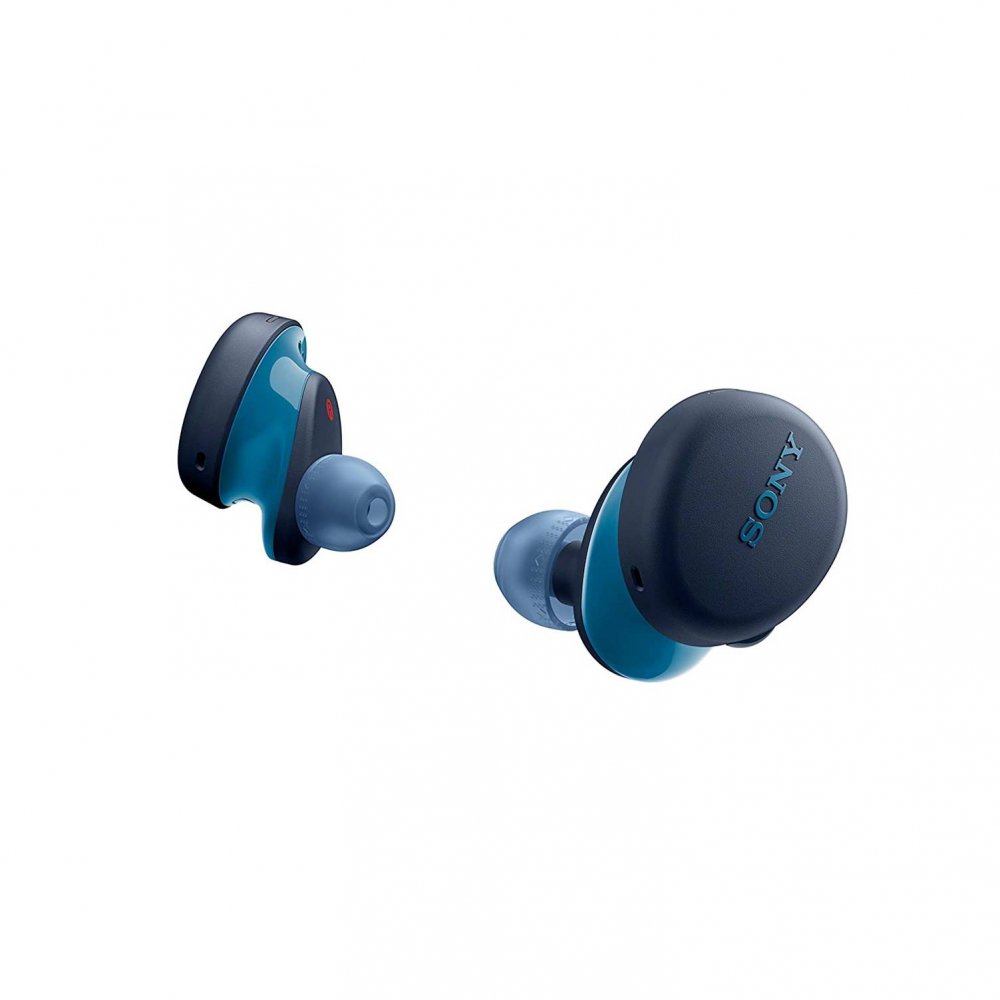
| Other Features | With an IPX4 water resistance rating, splashes and sweat won't stop these headphones, so you can keep on moving to the music. EXTRA BASS is a trademark of Sony Corporation. Truly wireless design with Bluetooth wireless technology. Easy hands-free calling and voice assistant 9-hour long battery life, total 18-hour with charging case. A secure fit with Ergonomic Tri-hold structure. The size of the earbuds can be determined based on the number of dotted lines inside the bottom of the earbuds. The buttons on the headphones lets you play, stop, skip through tracks and adjust the volume. Built-In Mic: Conversation flows freely with easy hands-free calling, thanks to the built-in microphone. Google Assistant / Siri A simple button press connects you to your smartphone's Voice Assistant to get directions play music. Enjoy up to 18 hours of listening ( 9 hrs Earbuds + 9 hrs Carrying Case ), if you're in a hurry, 10 minutes' quick charging gives you up to 60 minutes of music playback. |
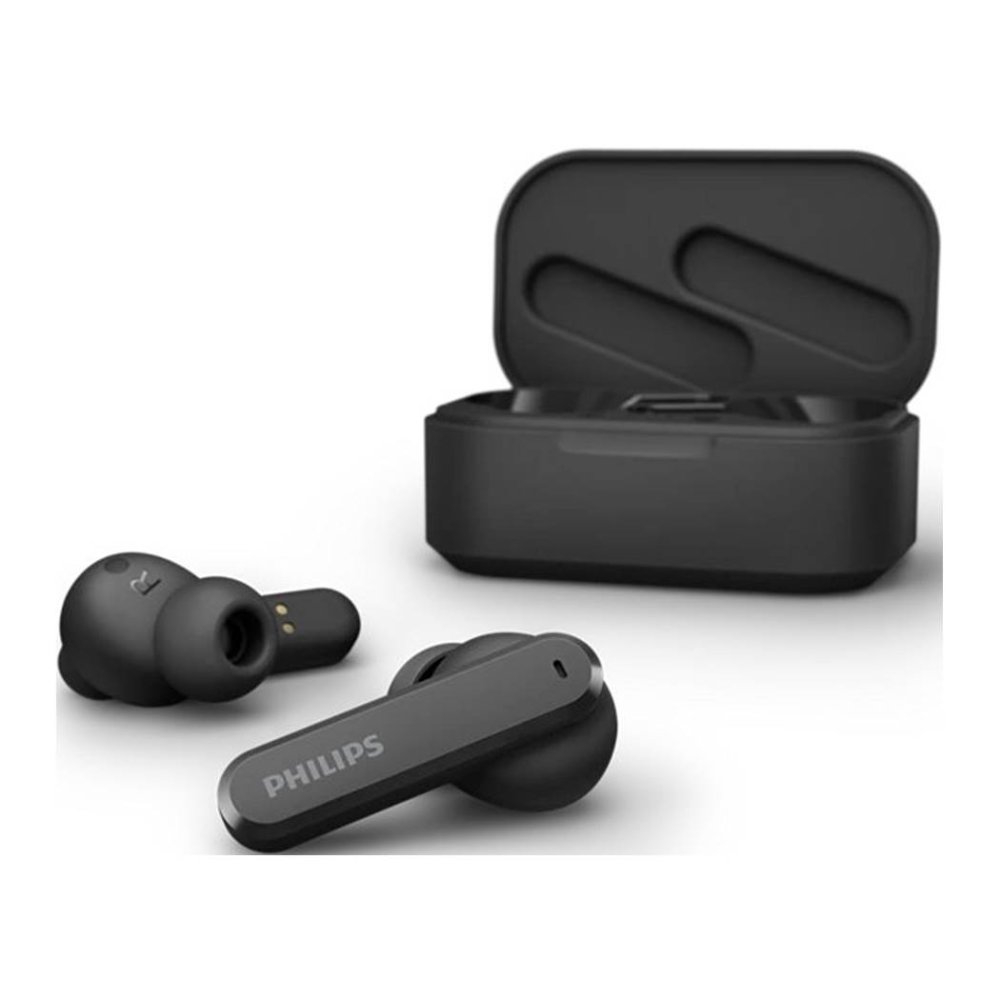
Secure, Comfortable In-Ear Fit : You get real comfort thanks to soft, interchangeable silicone ear-tip covers. The ear-tip covers securely insert into your ear canal, creating a perfect seal that diminishes external noise. IPX4 Splash & Sweat Resistant : With an IPX4 rating, these true wireless headphones are resistant to splashes from any direction. They won't mind a little sweat, and you don't need to worry about getting caught out in the rain. Touch Controls. Built-In Mic. Easy Pairing : Tap the earbud to pause your playlist, take calls, and wake your phone's voice assistant. The headphones are ready to pair in an instant. Once paired, they reconnect with your phone as soon as you open the charging case. Make Calls Using A Single Earbud. Mono Mode : Taking a lot of calls? You can double your talk time by using one earbud while the other one charges. The mic is automatically assigned to the earbud you're using, and you simply swap over when your current earbud is running low on battery. Always Focused On Your Music. Active Noise Canceling : These headphones filter out the noise you don't want to hear, so you're free to be with the tunes you love. Awareness Mode means you can let the world back in when you need to, and the music pauses if you take either earbud out of your ear. Portable USB-C Charging Case. 18 Hours Extra Play Time : Take your music anywhere. You get great sound from the 6 mm drivers, and 6 hours play time from a single charge. A fully charged case adds another 18 hours. For a quick boost, pop your headphones in the case for 15 minutes and get an extra hour. |
Advertisement
Compare Sony WF-XB700 with:
Compare Philips TAT4506 with:
Top Differences
- Battery Life: 9 Hours vs 6 + 18 Hours
- Noise Cancelling: NA vs Hybrid Active Noise Cancelling
- Driver Size: 12 mm vs 10 mm
- Weight: 46 gm vs 55 GM
- Impedance: NA Vs 16 Ohms
Advertisement