 ALERT
ALERT
Advertisement
| Specification | ||
|---|---|---|
| Price | Rs.29,990.00 |
Rs.28,999.00 |
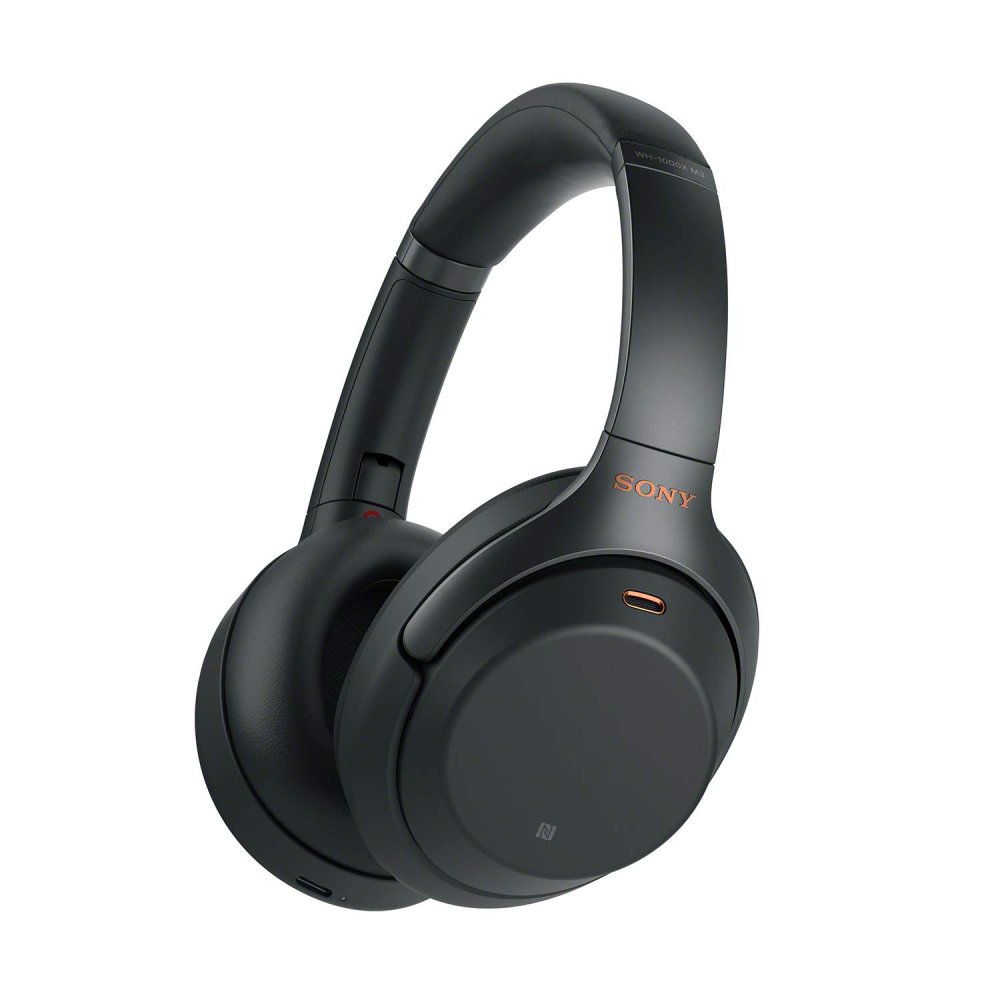
| Brand | Sony |
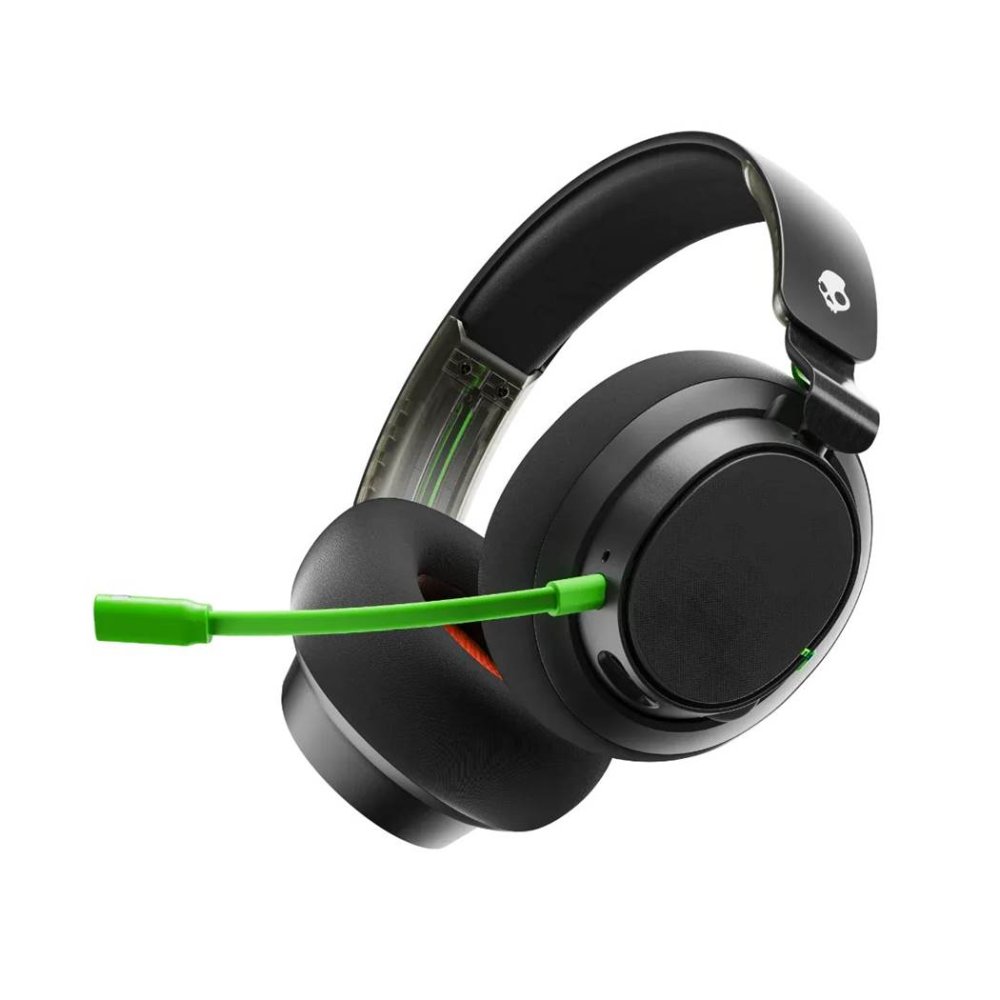
Skullcandy |
| Model No | WH-1000XM3 |
SLYR Pro Wireless |
| Wired / Wireless | Wireless Headphone Specification |
Wireless Headphone Specification |
| Headphone Type | Over Ear |
Over Ear |
| Magnet Type | Neodymium |
Dynamic |
| Driver Diameter | 40 mm |
50 mm |
| Impedance | 16/47 ohm |
32 Ohms |
| Sensitivity | 104 dB/mW |
95 ± 3dB |
| Frequency Response | 4 Hz - 40,000 Hz |
20Hz - 20KHz |
| Maximum Power Input | 5 V DC |
DC 5 V 2A |
| Wireless / Bluetooth Details | ||
| Wireless Technology | Bluetooth |
Bluetooth |
| Bluetooth Version | 4.2 |
5.3 |
| Compatible Profiles | All Bluetooth Devices |
All Bluetooth Devices |
| Supported Codecs | A2DP, AVRCP, HFP, HSP, SBC, AAC, aptX, aptX HD, LDAC |
AAC, SBC |
| Battery Type | Lithium-ion Batteries |
Lithium-Ion Batteries |
| Bluetooth Range | 10 Meters Class 2 |
10 Meters |
| Battery Life | 30 Hrs (NC On) |
24 Hours |
| Charging Time | 3 Hours |
1 Hours |
| Noise Cancelling | Active |
Adaptive Noise Cancelling |
| Available Colors | Black, White |
Black, Silver |
| Connector Plating | 3.5 mm Gold-Plated L-Shaped Stereo Mini Plug |
3.5 mm Jack |
| Cable | USB C-Type Cable |
USB Type-C To A Charging Cable |
| Weight | 255 gm |
274 GM |
| Other Features | NFC: Yes Quick Attention: Yes Ambient Sound Mode: Yes Noise Cancellation Switch: Yes All day power and quick charging. Volume Control Touch Sensor: Yes Gold-plated L-shaped Stereo Mini Plug. Atmospheric Pressure Optimization: Yes High-quality audio with DSEE HXâ„¢ and LDAC. |
Clear Voice Smart Mic. Enhanced Sound Perception™. 24-Hour Battery + Rapid Charge. Advanced Features via Skullcandy Software. 2.4ghz Wireless with Included USB-A Transmitter. Epic Batteries Life : Game for up to 30 hours on a single charge, and power up fast with Rapid Charge technology for non-stop action. Skull-HQ App : Download the app and access advanced features like ChatMix, EQ and sidetone adjustment via Skullcandy software, available for desktop or mobile. Designed for PlayStation : Connect to PlayStation using the included Ultra-Low-Latency Wireless Transmitter. Also enjoy wireless compatibility with PC, Nintendo Switch, and mobile gaming. Clear Voice Smart Mic : Artificial Intelligence is used to isolate the speaker’s voice and cut out background noise. Microphones in the headset as well as in the removable boom microphone enable you to communicate clearly while playing. |
Advertisement
Compare Sony WH-1000XM3 with:
Compare Skullcandy SLYR Pro Wireless with:
Top Differences
- Battery Life: 30 Hrs (NC On), 38 Hrs (NC Off) vs 24 Hours
- Noise Cancelling: Active vs Adaptive Noise Cancelling
- Driver Size: 40 mm vs 50 mm
- Bluetooth: 4.2 vs 5.3
- Weight: 255 gm vs 274 GM
Advertisement