 ALERT
ALERT
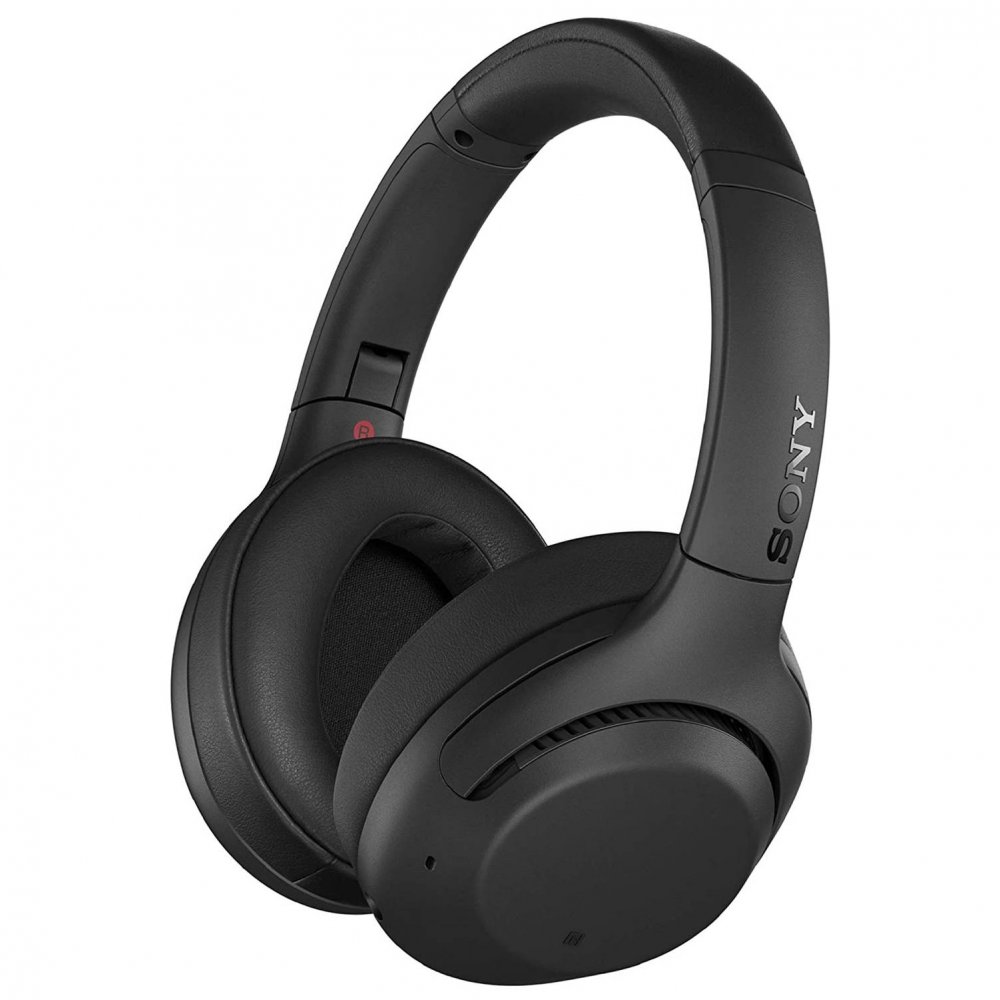
Sony WH-XB900N vs Sennheiser RS 180
Advertisement
| Specification | ||
|---|---|---|
| Price | Rs.16,990.00 |
Rs.17,500.00 |
| Brand | Sony |
Sennheiser |
| Model No | WH-XB900N |
RS 180 |
| Wired / Wireless | Wireless Headphone Specification |
Wireless Headphone Specification |
| Headphone Type | Over Ear |
Over Ear |
| Magnet Type | Neodymium |
Neodymium |
| Driver Diameter | 40 mm |
NA |
| Impedance | 50 ohm |
32 ohms |
| Sensitivity | 101 dB/mW |
110 dB |
| Frequency Response | 2 Hz - 40,000 Hz |
18 - 21000 Hz |
| Maximum Power Input | 5 V DC |
NA |
| Wireless / Bluetooth Details | ||
| Wireless Technology | Bluetooth |
Radio Frequency |
| Bluetooth Version | 4.2 |
|
| Compatible Profiles | All Bluetooth Devices |
|
| Supported Codecs | A2DP, AVRCP, HFP, HSP, SBC, AAC, aptX, aptX HD, LDAC |
|
| Battery Type | lithium-ion |
AAA NiMH Rechargeable Battery |
| Bluetooth Range | 10 Meters Class 2 |
|
| Battery Life | 30 Hours |
24 hrs |
| Charging Time | 7 Hours |
16 hrs |
| Noise Cancelling | Digital |
No |
| Available Colors | Black, Blue |
Black |
| Connector Plating | Stereo 3.5 mm |
3.5 mm Gold Plated Jack |
| Cable | USB C-Type Cable |
NA |
| Weight | 254 gm |
204 g (without battery) |
| Other Features | EXTRA BASS™ sound and Digital Noise Cancelling. All-day listening with up to 30 hours of battery life. One-touch listening with NFC and Bluetooth® wireless technology. Hands-free calling for convenience. L-shaped stereo mini plug ( supplied headphone cable ). Noise Cancelling technology. Enjoy wireless freedom with NFC and Bluetooth®. EXTRA BASS™ for impressively deep, punchy sound. Quick charging when you're pressed for time. Be smarter with Voice Assistant. Control at your fingertips. Cover the right ear cup with your palm to turn down your music for instant. Change the track, turn the volume up or down and take or make calls by tapping or swiping the panel with your fingertip. Quickcharge - A 10-minute quick charge gives up to 60 minutes of play time. 4 hours charge gives you all day with approximately 30 hours of play time. |
- Total Harmonic Distortion (THD): Less than 0.5 % a 1 kHz, 100 dB SPL - Automatic level control for optimum audio levels - Multi-receiver transmission - Up to 4 people listening to the same source - Multi-purpose transmitter - Also functions as easy-charge cradle and docking station - Balance control for right/left volume adjustment |
Advertisement
Compare Sony WH-XB900N with:
Compare Sennheiser RS 180 with:
Top Differences
- Battery Life: 24 hrs vs 30 Hours
- Noise Cancelling: No vs Digital
- Driver Size: NA vs 40 mm
- Weight: 204 g (without battery) vs 254 gm
- Impedance: 32 ohms Vs 50 ohm
Advertisement