 ALERT
ALERT
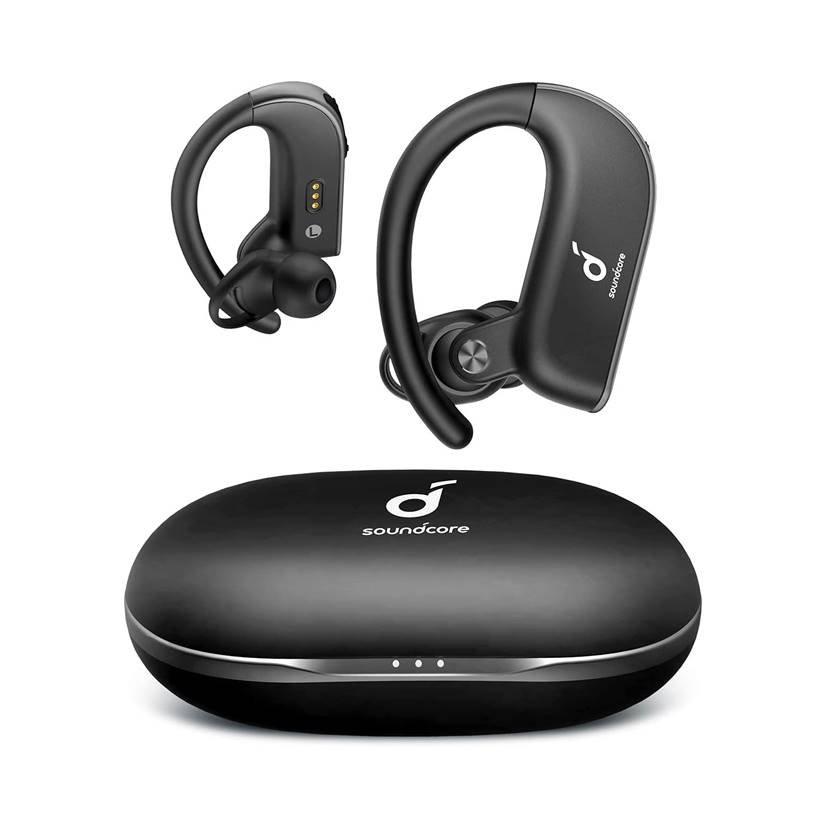
Soundcore Spirit X2 vs JBL TUNE 215TWS
Advertisement
| Specification | ||
|---|---|---|
| Price | Rs.5,999.00 |
Rs.5,999.00 |
| Brand | Soundcore |
JBL |
| Model No | Spirit X2 |
TUNE 215TWS |
| Wired / Wireless | Wireless Headphone Specification |
Wireless Headphone Specification |
| Headphone Type | In Ear |
In Ear |
| Magnet Type | Dynamic |
Dynamic |
| Driver Diameter | 12 X 2 mm |
6.0 mm |
| Impedance | 16 Ohm |
14 ohm |
| Sensitivity | 101dB SPL |
108dB |
| Frequency Response | 20 Hz - 20000 Hz |
20 Hz - 20000 kHz |
| Maximum Power Input | 5 V / 550A |
5 V 1 A |
| Wireless / Bluetooth Details | ||
| Wireless Technology | Bluetooth |
Bluetooth |
| Bluetooth Version | 5.0 |
5.0 |
| Compatible Profiles | All Bluetooth Devices |
All Bluetooth Devices |
| Supported Codecs | aptXâ„¢, SBC, AAC |
A2DP, AVRCP, HFP |
| Battery Type | Lithium-ion Batteries |
Lithium Polymer Battery |
| Bluetooth Range | 10 Meters |
10 Meters |
| Battery Life | 9 / 36 Hours |
5 Hours |
| Charging Time | 1.5 Hours |
< 2 Hours |
| Noise Cancelling | CVC |
NA |
| Available Colors | Black |
Black, White, Green, Purple |
| Connector Plating | NA |
No |
| Cable | USB Type-C Charging Cable |
Type-C USB Charging Cable |
| Weight | 80 Gm |
51.3 gm |
| Other Features | aptX : Lossless Bluetooth audio transfer for flawless sound. Stereo or Mono : Listen via either or both earpieces whenever, wherever. Sweatproof : Sweat Guard technology effortlessly defends against sweat and other threats. BassTurbo : A uniquely designed acoustic chamber design that adds extreme bass to the mix. Outrageous Bass : Oversized 12mm drivers, and BassUp technology ensure enormous audio power. IP68 : True wireless earbuds that can withstand rain and even complete submersion in water. Extreme Comfort : Super-secure fit means that Spirit X2 sit tight when you’re pushing your workout limits. 9-Hour Playtime : Get a week of gym sessions on a single charge then extend that to 36 hours with the included charging case. Crystal-Clear Calls : cVc 8.0 noise-cancellation technology isolates your voice and removes background noise for a clear hands-free experience. |
Feel the Bass. Freedom From Wires. Stay Connected, Stay Wireless. Power source type: Battery-Powered. Wireless communication technology: Bluetooth. Your favorite music sounds better with JBL Pure Bass. Ultra-comfortable, the JBL TUNE 215TWS headphones keep you on top of your world, for 25 hours. With up to 25 hours (5 hours from the earbuds and 15 hours from the case) of battery life, you can listen all day and all night. Easily manage calls and Voice Assistant from either earbud or both with Dual Connect. And save battery life, so that you can listen longer or quickly recharge with USB type-C. |

Advertisement
Compare Soundcore Spirit X2 with:
Compare JBL TUNE 215TWS with:
Top Differences
- Battery Life: 5 Hours vs 9 / 36 Hours
- Noise Cancelling: NA vs CVC
- Driver Size: 6.0 mm vs 12 X 2 mm
- Weight: 51.3 gm vs 80 Gm
- Impedance: 14 ohm Vs 16 Ohm
Advertisement