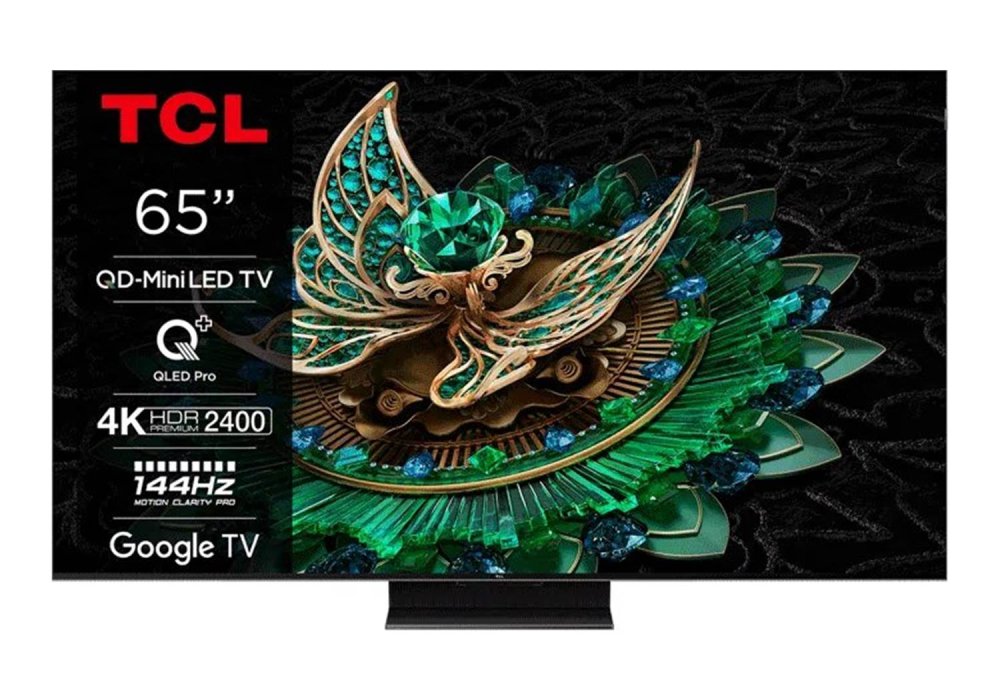
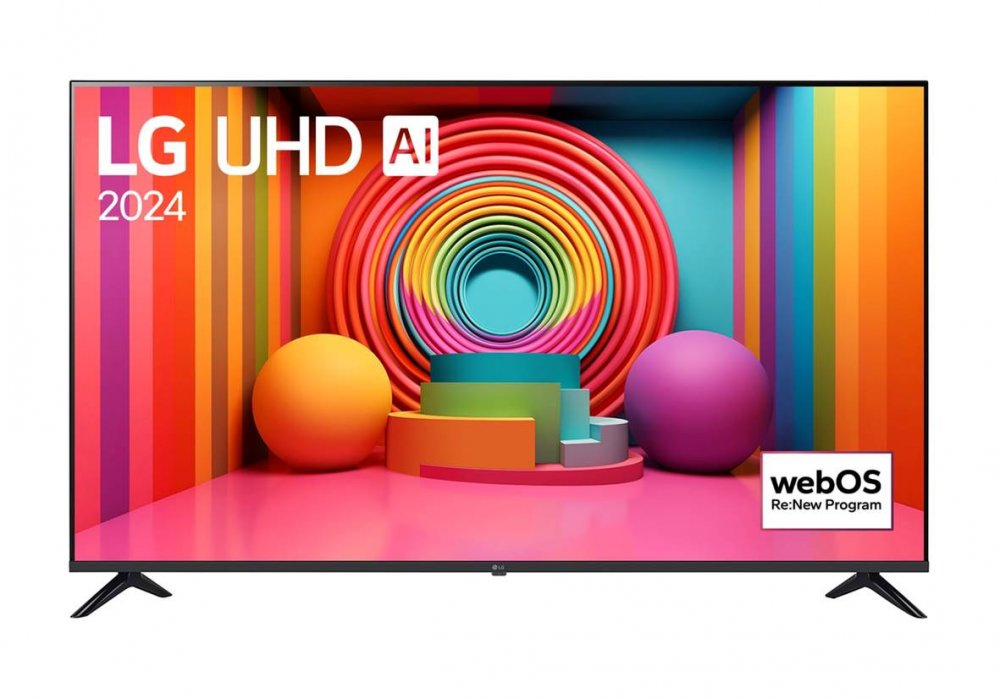
| Model No |
65Q9BK |
65UT7570PUB |
| TV Type |
Smart TV |
Smart TV |
| Screen Size |
65 Inch (164 cm) |
65 Inch (164 cm) |
| Resolution |
4K 3840 x 2160 |
4K 3840 x 2160 |
| Aspect Ratio |
16:9 |
16:9 |
| Motion Rate |
144 Hz |
60 Hz |
| Viewing Angle |
178°/178° |
178°/178° |
| USB |
| USB Version |
: 3.0, 2.0 |
| Supported Audio Formats |
: PCM, MPEG1/2/4, AAC, & WMA |
| Supported Video Formats |
: MP4, MKV, AVI, MOV & H.264, H.265 ( HEVC ), VP9 |
| Supported Picture Formats |
: HEIF, JPG, PNG, BMP |
|
| USB Version |
: 2.0 |
| Supported Audio Formats |
: MP3, AC4, AC3, EAC3, AAC, MP2, PCM, WMA |
| Supported Video Formats |
: MKV, DivX, MP4, AVI, ASF, MOV, FLV |
| Supported Picture Formats |
: JPEG, PNG, BMP |
|
| Video |
| Backlight |
: 4K UHD QLED PRO Mini LED |
| HDR |
: Yes |
| HLG |
: Yes |
| MEMC |
: Yes |
| HDR10 |
: Yes |
| HDR 10+ |
: Yes |
| Dolby Vision |
: Yes |
| Dolby Vision IQ |
: Yes |
| Quantum Dot Color |
: Yes |
| Image Performance Index |
: 2400 |
| Brightness |
: 1500 Nits |
| Wide Color Gamut |
: 96% DCI-P3 |
| Local Dimming |
: 1008 Local Dimming Zones |
| Refresh Rate |
: 100 / 120 / 144Hz / 240Hz FHD |
|
| Backlight |
: 4K UHD Direct LED |
| HLG |
: Yes |
| HDR10 |
: Yes |
| Filmmaker Mode ™ |
: Yes |
| AI Brightness Control |
: Yes |
| Dynamic Tone Mapping |
: Yes |
| Display Type |
: 4K UHD |
| AI Upscaling |
: 4K Upscaling |
| Picture Processor |
: α5 AI Processor 4K Gen7 |
|
| Audio |
| Sound Output Power ( RMS ) |
: 2 X 15 W |
| Dolby Atmos |
: Yes |
| Imax Enhanced |
: Yes |
| DTS Premuim Sound |
: Yes |
| Sound Quality |
: ONKYO |
| Sound Channel |
: 2.0 Sound System |
| Speakers Type |
: Integrated ONKYO Stereo Speakers |
|
| Audio Output ( RMS ) |
: 20 W |
| LG Sound Sync |
: Yes |
| Sound Mode Share |
: Yes |
| Simultaneous Audio Output |
: Yes |
| Speaker System |
: 2.0 Channel |
| Speaker Direction |
: Down Firing |
| Bluetooth Surround Ready |
: Yes ( 2 Way Playback ) |
| Clear Voice Pro |
: Yes ( Auto Volume Leveling ) |
| AI Sound |
: AI Sound ( Virtual 5.1 Up-Mix ) |
| AI Acoustic Tuning |
: Ready ( Requires Magic Remote ) |
| Audio Codec |
: AC4, AC3 ( Dolby Digital ), EAC3, HE-AAC, AAC, MP2, MP3, PCM, WMA, apt-X ( Refer To Manual ) |
|
| Connectivity Options |
| HDMI ( 2.1 ) |
: 4 |
| USB ( 3.0 + 2.0 ) |
: 2 ( USB 3.0 X 1, USB 2.0 X 1 ) |
| WiFi 5 |
: Yes |
| Ethernet / LAN |
: Yes |
| Bluetooth SBC 5.0 |
: Yes |
| HDMI CEC |
: Full |
| Digital Audio Output |
: Optical |
| WiFi Sharing |
: Chromecast & T-Cast |
|
| HDMI 2.1 |
: 3ea ( Supports eARC, ALLM ) |
| USB 2.0 |
: 2ea |
| Ethernet / LAN |
: 1ea |
| RF Input ( Antenna / Cable ) |
: 1ea |
| Optical Digital Audio Out ( SPDIF ) |
: 1ea |
| Wi-Fi 5 |
: Yes |
| Bluetooth 5.1 |
: Yes |
| Simplink ( HDMI CEC ) |
: Yes |
| HDMI Audio Return Channel |
: eARC ( HDMI 2 ) |
|
| Smart TV Features |
| Operating System |
: Google TV |
| Netflix |
: Yes |
| YouTube |
: Yes |
| AppleTV+ |
: Yes |
| Video Chat |
: Yes |
| Prime Video |
: Yes |
| Google Play Store |
: Yes |
| Google Assistant Built-In |
: Yes |
| Hands-Free Google Assistant |
: Yes |
| Screen Mirroring |
: Miracast & Google Cast ( Chromecast ) + Airplay 2 |
| 4K |
: Netflix, YouTube, Amazon Prime, AppleTV+ & More |
|
| Operating System |
: WebOS 24 Smart TV |
| ThinQ |
: Yes |
| Family Settings |
: Yes |
| Full Web Browser |
: Yes |
| USB Camera Compatible |
: Yes |
| Room To Room Share |
: Yes ( Receiver ) |
| Smartphone Remote App |
: Yes ( LG ThinQ ) |
| Intelligent Voice Recognition |
: Yes ( With LG ThinQ App ) |
| Magic Remote Control |
: Ready ( Requires Magic Remote ) |
| LG Channels |
: Netflix, Disney+, Amazon Prime, and Apple TV+ |
|
| Other Features |
| Design |
: Bezel-Less Slim Metal Design |
| Main Color |
: Black |
| Sleep Timer |
: Yes |
| Quick Settings |
: Yes |
| EPG |
: Up To 8 Days |
|
| Design |
: Slim Design |
| Gray Scale |
: Yes |
| HGiG Mode |
: Yes |
| Invert Colors |
: Yes |
| High Contrast |
: Yes |
| Auto Low Latency Mode ( ALLM ) |
: Yes |
| Game Optimizer |
: Yes ( Game Dashboard ) |
|
| General Details |
| Power Supply |
: AC 100 - 240V, 50 Hz, 60 Hz |
| On Mode Power Demand In HDR |
: 260 W |
| On Mode Power Demand In SDR |
: 95.0 W |
| Power Consumption Standby |
: 0.5 W |
| Energy Efficiency ClassFor HDR |
: G |
| Energy Efficiency Class For SDR |
: F |
| Weight Without Stand |
: 18.50 Kg |
| Weight With Stand |
: 18.90 Kg |
| Weight With Packaging |
: 25.30 Kg |
| VESA Wall Mount Compatible |
: 300 mm X 300 mm |
|
| Power Supply |
: AC 120V, 50 / 60Hz |
| Standby Power Consumption |
: Under 0.5 W |
| Weight Without Stand |
: 16.3 Kg |
| Weight With Stand |
: 16.5 Kg |
| Packaging Weight |
: 21.2 Kg |
| VESA Mounting |
: 200 mm X 300 mm |
|
| Supplied Accessories |
| Remote Control |
: Yes |
| Power Card |
: Yes |
| 2N Batteries |
: Yes |
| User Manual |
: Yes |
| Quick Start Guide |
: Yes |
|
| Remote Control |
: Standard Remote Control |
| Batteries |
: AA X 2EA |
| Power Cable |
: Yes ( Attached ) |
|
|
Compare TCL 65Q9BK with:
|
Compare LG 65UT7570PUB with:
|
|
Both TVs provide standard built-in audio performance suitable for regular usage, though external speakers can enhance the experience. LG 65UT7570PUB and TCL 65Q9BK offer different motion rates (60 Hz vs 144 Hz), which can impact smoothness during fast-moving scenes like sports and gaming. Both TVs offer adequate brightness levels suitable for most indoor lighting conditions. If you're comparing LG 65UT7570PUB and TCL 65Q9BK, both models come with modern features and are designed to deliver a solid viewing experience across different use cases. Both TVs come in similar screen sizes, making them suitable for comparable viewing setups and room environments. Both models support 4K 3840 x 2160 resolution, ensuring sharp picture quality with detailed visuals for movies, shows, and gaming. Both TVs come with smart platforms that support popular streaming apps and voice control features. In general, both TVs cater to modern entertainment needs, including streaming, gaming, and everyday viewing. Verdict: Both models offer good value, and the better option depends on your specific requirements and viewing preferences. Top Differences- Refresh Rate: 60 Hz Vs 144 Hz
- Display Technology: 4K UHD Direct LED Vs 4K UHD QLED PRO Mini LED
|
|
 ALERT
ALERT