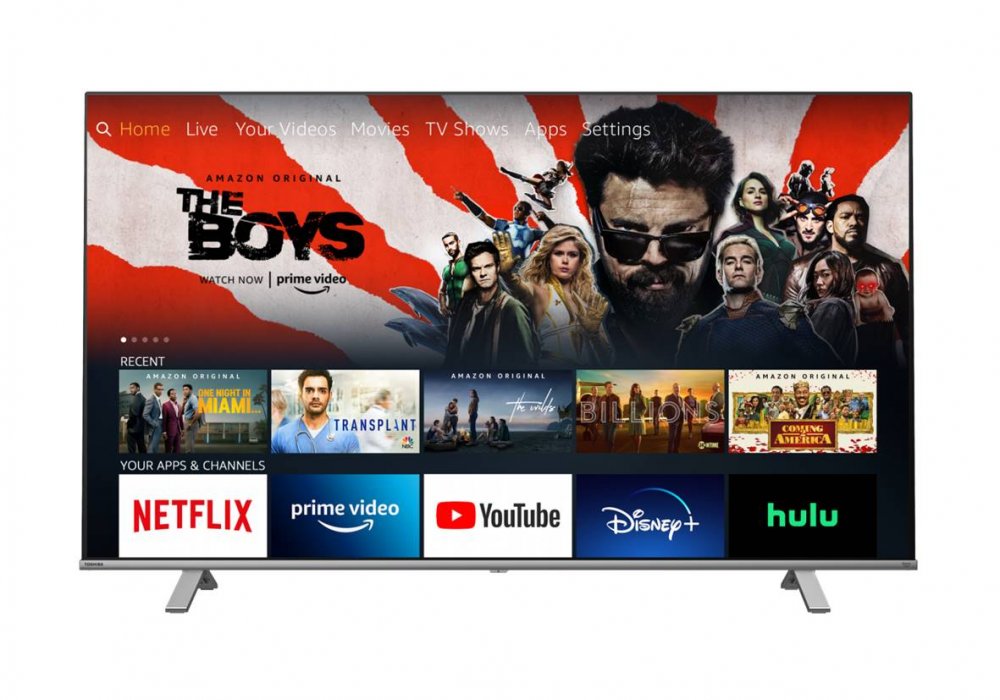
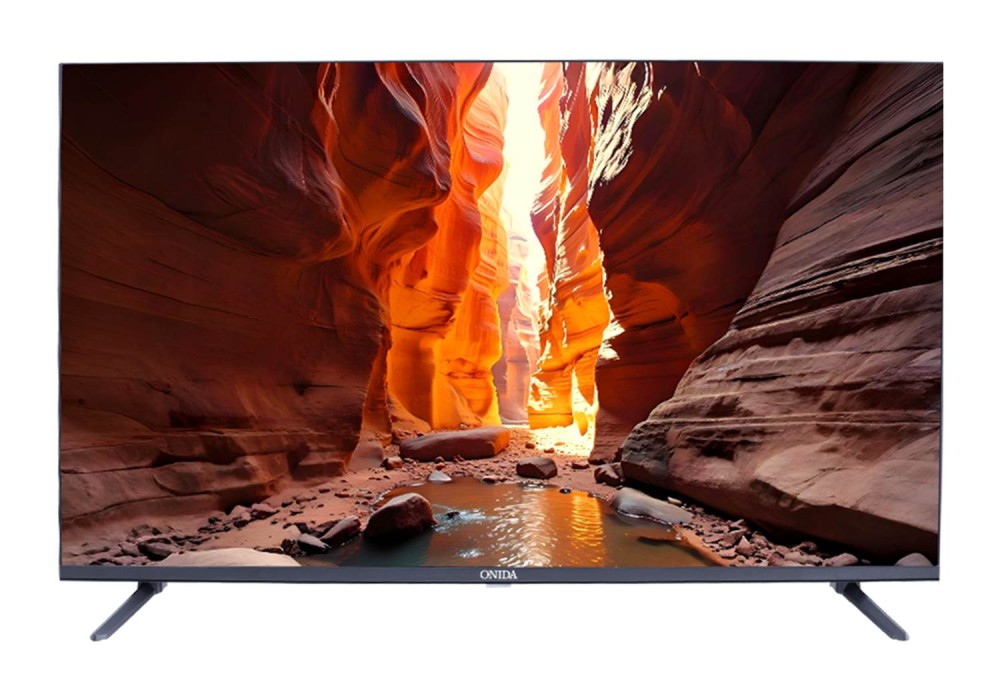
| Model No |
43C350KU |
43FGF |
| TV Type |
Smart TV |
Smart TV |
| Screen Size |
43 Inch (109.22 cm) |
43 Inch (109.22 cm) |
| Resolution |
4K 3840 x 2160 |
1920 x 1080 |
| Aspect Ratio |
16:9 |
16:9 |
| Motion Rate |
60 Hz |
60 Hz |
| Viewing Angle |
178°/178° |
178°/178° |
| USB |
| USB Version |
: 2.0 |
| Supported Audio Formats |
: MP3, AAC, HEAAC, WMA |
| Supported Video Formats |
: MPG, MPEG, MPEG2 -PS, MP4, MKV, AVI, ASF, FLV |
| Supported Picture Formats |
: JPEG, JPG, PNG, BMP |
|
| USB Version |
: 2.0 |
| Supported Audio Formats |
: MP3, AAC, WMA, WAV, FLAC |
| Supported Video Formats |
: MPG, MPEG, MP4, MOV, MKV, AVI, FLV, WEBM |
| Supported Picture Formats |
: JPEG, PNG, BMP, GIF, |
|
| Video |
| BackLight |
: Full Array Direct Lit LED |
| HDR 10 |
: Yes |
| 4K upscaling |
: Yes |
| Dolby Vision HDR |
: Yes |
| Noise Reduction |
: Yes |
| Resolution Type |
: 4K |
| Motion Rate |
: 120 |
|
| Backlight |
: FHD DLED |
| HLG |
: Yes |
| MEMC |
: Yes |
| HDR10 |
: Yes |
| Dolby Vision |
: Yes |
| Eye Protect Plus |
: Yes |
| LED Display Type |
: DLED |
| Image Contrast Ratio |
: 5000:1 |
| Brightness |
: 280 Nits |
| Picture Processor |
: Nexg Processor |
| Picture Engine |
: Pixa Visual Engine |
|
| Audio |
| Audio Output ( RMS ) |
: 2 X 7 W |
| Audio Technologies |
: DTS Virtual : X |
|
| Audio Output ( RMS ) |
: 20 W |
| Number of Speakers |
: 2 |
| Dolby Audio |
: Yes |
| Audio Output Mode |
: Stereo |
| Speaker Description |
: Speakers Typically Come Built-in, Which Allows Them To Produce Stereo Sound. |
|
| Connectivity Options |
| HDMI |
: 4 |
| USB 2.0 |
: 2 |
| Bluetooth ® |
: Yes |
| Ethernet / LAN |
: Yes |
| Wireless Built-In |
: Yes |
| HDMI CEC |
: Yes |
| HDMI ARC |
: Yes |
| RF Antenna |
: Yes |
| Earphone / Audio Output |
: Yes |
| RCA Composite Video Input |
: Yes |
| L / R Audio Input For Composite |
: Yes |
| Optical Digital Audio Output ( SPDIF ) |
: Yes |
|
| HDMI ( 2.1 ) |
: 3 |
| USB ( 2.0 ) |
: 2 |
| Built In Wi-Fi |
: Yes |
| Bluetooth 5.0 |
: Yes |
| Ethernet / LAN |
: Yes |
| Screen Mirroring |
: Chrome Cast |
|
| Smart TV Features |
| Operating System |
: Fire TV |
| Smart TV |
: Yes |
| Works With Alexa |
: Yes |
| Web Browser |
: Yes |
| Built-In Apps |
: Yes |
|
| Operating System |
: Google TV |
| RAM |
: 1.5 GB |
| ROM |
: 8 GB |
| Google Assistant |
: Yes |
| Supported App - Netflix |
: Yes |
| Supported App - Youtube |
: Yes |
| Operating System Present |
: Yes |
| Supported App - Prime Video |
: Yes |
| Supported App - Disney+Hotstar |
: Yes |
|
| Other Features |
| Parental Control |
: Yes |
| Closed Caption |
: Yes |
| Sleep Timer |
: Yes |
| Alexa Integration W / Voice Remote |
: Yes |
| Warranty |
: 1-Year Warranty |
| On-Screen Display |
: English / French / Spanish |
|
| Design |
: Bezel-Less Design |
| Colour |
: Black, Grey |
| Warranty Type |
: Onsite Warranty On Product And No Delivery Damages Covered |
| Warranty Summary |
: 1 Year Comprehensive Warranty On Product Provided By The Brand From The Date Of Purchase. |
|
| General Details |
| Power Supply ( Voltage, Hz ) |
: AC 120 V, 60 Hz |
| Power Consumption |
: 100 W |
| Power Consumption Standby Mode |
: < 0.5 W |
| Set Weight ( Without Stand ) |
: 6.80 Kg |
| Set Weight ( With Stand ) |
: 7.21 Kg |
| Mount Pattern VESA |
: 200 mm X 300 mm |
|
| Power Requirements |
: AC 100 - 240 V, 50/60 Hz |
| Power Consumption |
: 100 W |
| Power Consumption Standby |
: 0.5 W |
| Weight Without Stand |
: 5.9 Kg |
| Weight With Stand |
: 6.4 Kg |
|
| Supplied Accessories |
| Voice Remote Control |
: Yes |
| 2 Batteries |
: Yes |
| User Manual |
: Yes |
| Power Cord |
: Yes |
| Quick Start Guide |
: Yes |
| Wall Mount Screw M6 |
: Yes |
|
| Remote Control |
: IR + Bluetooth |
| Wall Mount |
: Yes |
| User Manual |
: Yes |
| Warranty Card |
: Yes |
|
 ALERT
ALERT