 ALERT
ALERT
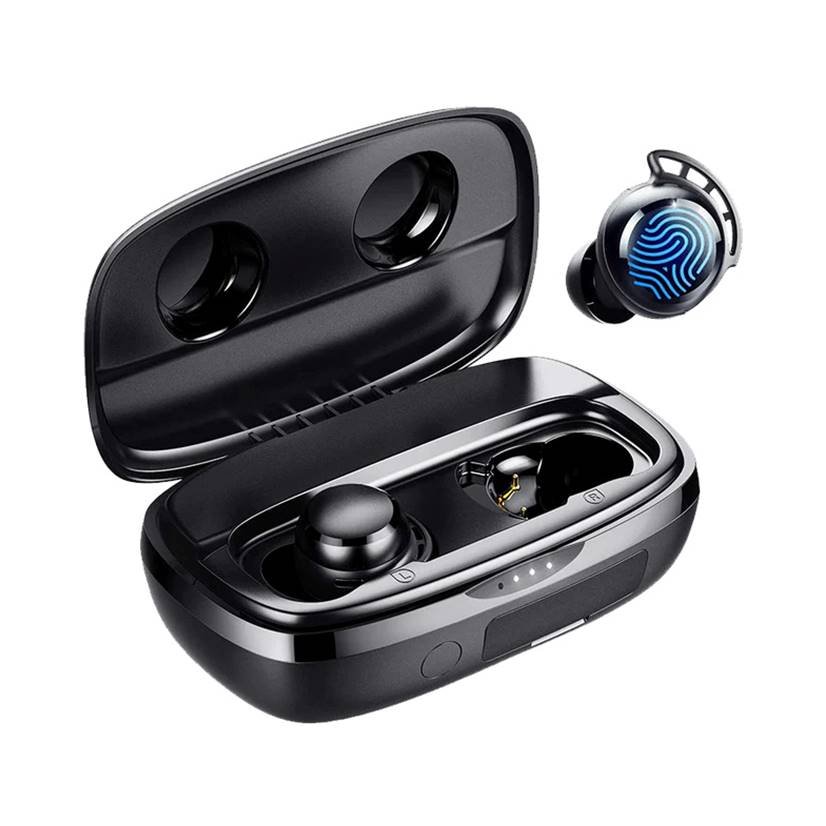
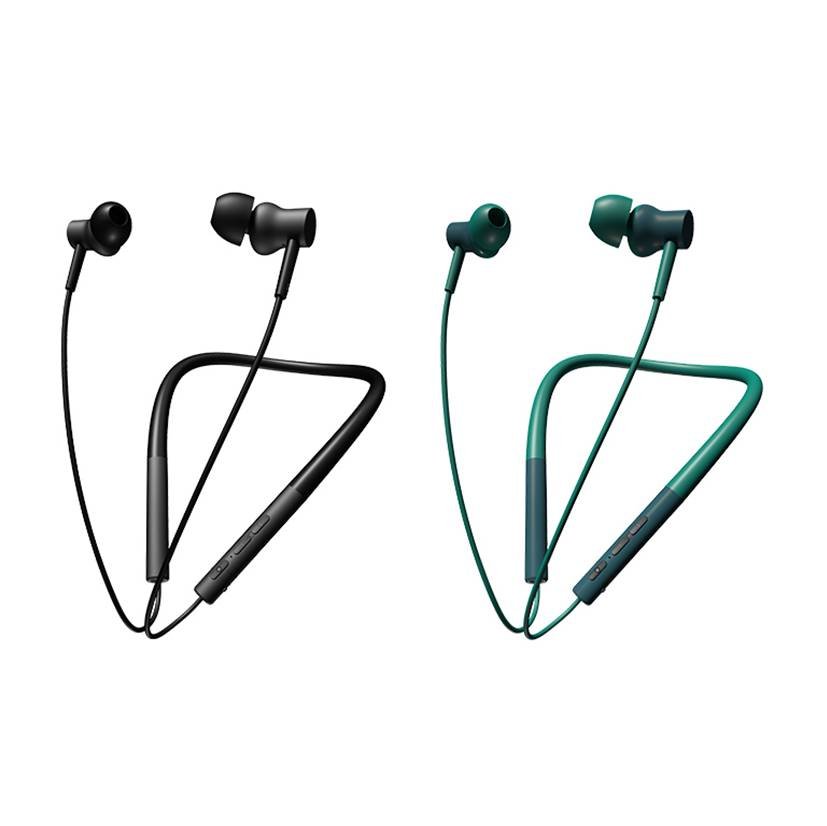
Tribit FlyBuds 3 vs F&D N203
Advertisement
| Specification | ||
|---|---|---|
| Price | Rs.3,267.08 |
Rs.3,252.34 |
| Brand | Tribit |
F&D |
| Model No | FlyBuds 3 |
N203 |
| Wired / Wireless | Wireless Headphone Specification |
Wireless Headphone Specification |
| Headphone Type | In Ear |
Neckband |
| Magnet Type | Dynamic |
Dynamic |
| Driver Diameter | 6 mm |
10 mm |
| Impedance | 16 Ohm |
NA |
| Sensitivity | NA |
NA |
| Frequency Response | 20 Hz - 20000 Hz |
20 Hz - 20000 Hz |
| Maximum Power Input | 5V |
5 V |
| Wireless / Bluetooth Details | ||
| Wireless Technology | Bluetooth |
Bluetooth |
| Bluetooth Version | 5.0 |
5.0 |
| Compatible Profiles | All Bluetooth Devices |
All Bluetooth Devices |
| Supported Codecs | SBC, AAC |
AAC, SBC, A2DP, AVRCP, HSP, HFP |
| Battery Type | Lithium-ion Batteries |
Lithium-ion Batteries |
| Bluetooth Range | 10 Meters |
10 Meters |
| Battery Life | 100 Hours |
8 Hours |
| Charging Time | 2 Hours |
1 Hours |
| Noise Cancelling | Passive |
ANC & DNR |
| Available Colors | Black, White, Pink |
Black, Green |
| Connector Plating | NA |
NA |
| Cable | USB-C-To-USB-A Charging Cable |
USB Micro-B Charging Cable |
| Weight | 106.2 Gm |
34 Gm |
| Other Features | The fundamentals of design are done right. Every kick, bassline, and drop is delivered with a massive thump which you can feel. FlyBuds 3 makes you experience 100 hours playtime that enabled by the charging case without recharging within 20 days! Bluetooth 5.0 ensures uncompromised, fast, and stable connectivity. USB-C charging allows you a trouble-free charging experience in the dimmest of lights. IPX7 Waterproof rating allows you to stretch your adventurous limits while making sure that you don't panic. Whether water, dust, or snow, bring it on! It's time that you explore, more. |
Active Noise Cancellation. Magnetic Back Cavity Design. Promise lossless sound quality. 4-times speed boost and low-latency. |
Advertisement
Compare Tribit FlyBuds 3 with:
Compare F&D N203 with:
Top Differences
- Battery Life: 8 Hours vs 100 Hours
- Noise Cancelling: ANC & DNR vs Passive
- Driver Size: 10 mm vs 6 mm
- Weight: 34 Gm vs 106.2 Gm
- Impedance: NA Vs 16 Ohm
Advertisement