 ALERT
ALERT
Tribit OpenGo vs Realme Buds Air 3
Advertisement
| Specification | ||
|---|---|---|
| Price | Rs.4,260.82 |
Rs.4,199.00 |
| Brand | Tribit |
Realme |
| Model No | OpenGo |
Buds Air 3 |
| Wired / Wireless | Wireless Headphone Specification |
Wireless Headphone Specification |
| Headphone Type | On Ear |
In Ear Canal |
| Magnet Type | Dynamic |
LCP Dynamic |
| Driver Diameter | 16.2 mm |
10 mm |
| Impedance | 20 Ohms |
NA |
| Sensitivity | ‎114 dB ± 3dB |
42 dB |
| Frequency Response | 20Hz - 20 KHz |
100 To 20000 Hz |
| Maximum Power Input | 5 V 1A |
NA |
| Wireless / Bluetooth Details | ||
| Wireless Technology | Bluetooth |
Bluetooth |
| Bluetooth Version | 5.3 |
5.2 |
| Compatible Profiles | All Bluetooth Devices |
All Bluetooth Devices |
| Supported Codecs | AAC, SBC |
AAC, SBC |
| Battery Type | Lithium-Ion Batteries |
Lithium-ion |
| Bluetooth Range | 30 Meters |
10 Meters |
| Battery Life | 13 / 100+ Hours |
30 Hours |
| Charging Time | 1.5 / 2 Hours |
3.10 Hours |
| Noise Cancelling | NA |
ANC + ENC |
| Available Colors | Black |
White, Blue |
| Connector Plating | NA |
NA |
| Cable | USB Type-C Charging Cable |
Type-C USB Cable |
| Weight | 190 GM |
57 Gm |
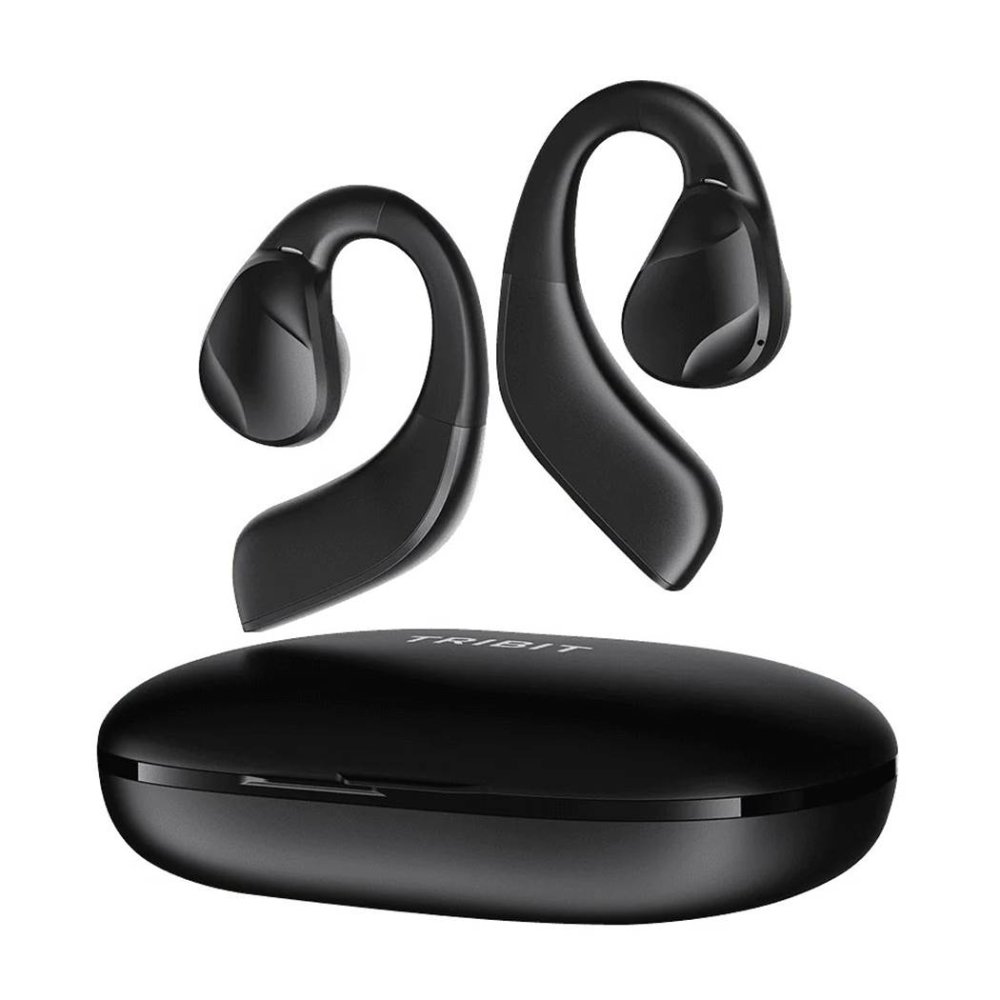
| Other Features | Situational Awareness : These open sports earbuds allow you to stay connected to your surroundings while immersing yourself in music. Suitable for any occasion, including outdoor sports or cycling. OpenGo is IPX5 waterproof - no need to worry about sweat or rain. Open Earbud Design : OpenGo wireless Bluetooth earbuds adopt an open design. Ergonomic and equipped with ultra-soft silicone ear hooks, it makes the earbuds more comfortable and safer to wear, avoiding hearing problems even after long-term use, and providing you with an ultimate comfortable experience. Incredible Audio Experience : Equipped with a 16.2mm diaphragm speaker driver, these earbuds boast more realistic and clear sound. Air conduction technology makes the sound quality more delicate. With Bluetooth 5.3, you can keep the call open and the sound quality clear in an open space within a range of 30m. Ultra-Long Batteries Life : These open wireless earbuds can play continuously for 13 hours (at 60% volume) after a full charge, and up to 100+ hours with the charging case. You can always know the the battery level of charging case through the LED display. The ultra-thin charging case is easy to carry and there is no burden when going out. Smart Touch Operation : The open Bluetooth earbuds come with a touch button for easy control. Play/pause, next song, answer call, reject call, voice assistant, volume +/- and other operations can be completed by touching the button. OpenGo supports TRIBIT App connection, which enables customize EQ, customize touch buttons and other functions. |
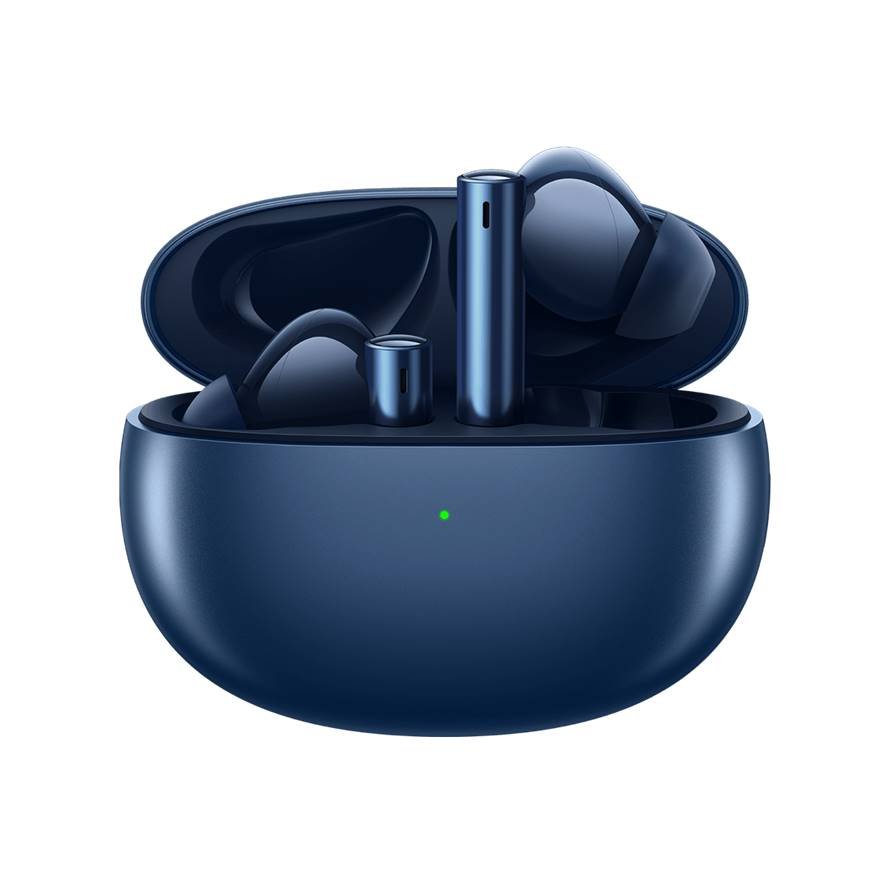
IPX5 Water Resistant. Powerful 42dB noise cancellation. Dual Mic Noise Cancellation for Calls. 10mm LCP Dynamic Bass Boost driver. Audio tuning customized exclusively for you. Stay in the hear and now with 88ms super low latency. High noise-cancelling performance Certified by TÃœV Rheinland. Fast Charging Supported - 10min charge for 100mins playback. The "super-low latency of 88ms" is the latency data of realme Buds Air 3 with Gaming Mode on. The battery life data of realme Buds Air 3 is obtained from realme lab, please refer to the above parameter table for detail. |
Advertisement
Compare Tribit OpenGo with:
Compare Realme Buds Air 3 with:
Top Differences
- Battery Life: 30 Hours vs 13 / 100+ Hours
- Noise Cancelling: ANC + ENC vs NA
- Driver Size: 10 mm vs 16.2 mm
- Bluetooth: 5.2 vs 5.3
- Weight: 57 Gm vs 190 GM
Advertisement