 ALERT
ALERT
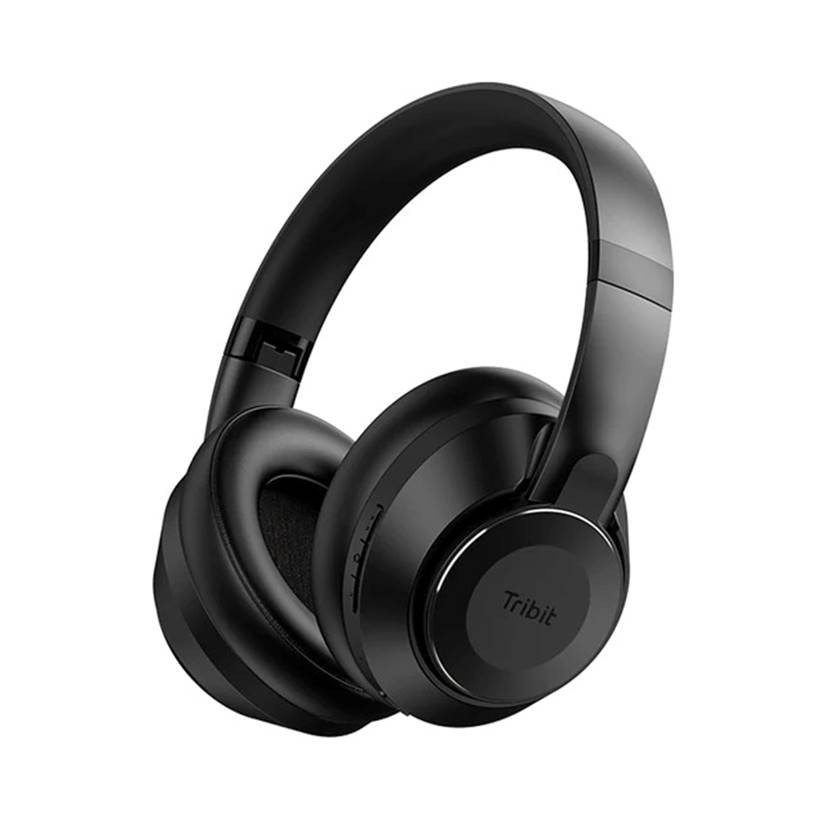
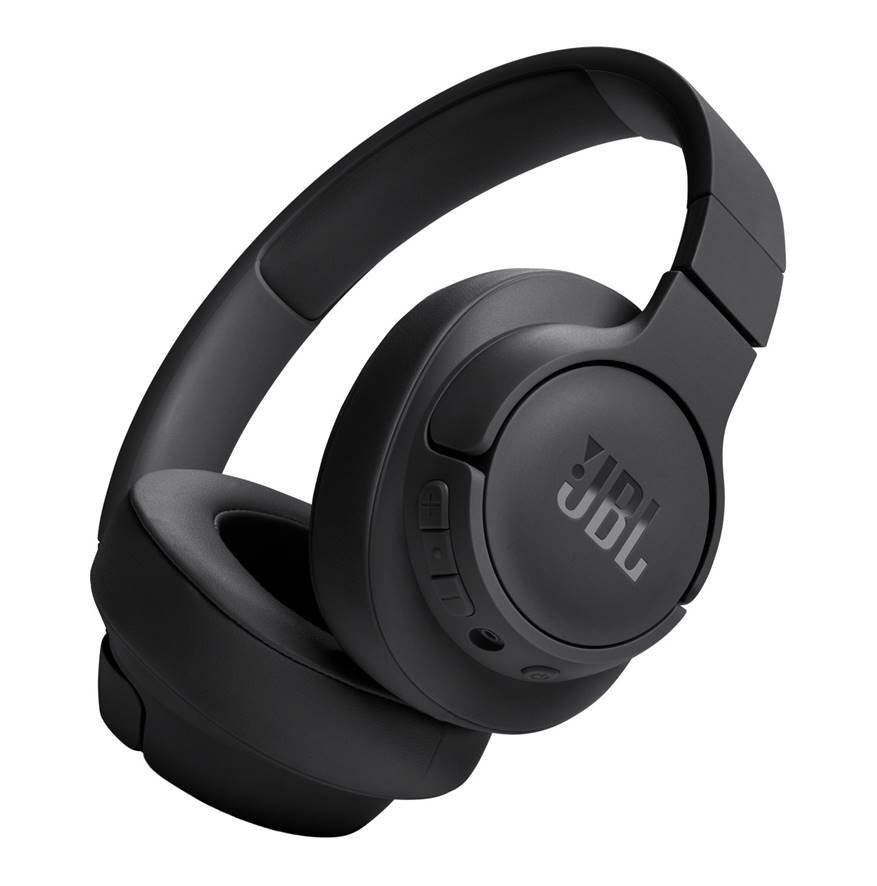
Tribit QuietPlus 78 vs JBL Tune 720BT
Advertisement
| Specification | ||
|---|---|---|
| Price | Rs.6,532.74 |
Rs.6,499.00 |
| Brand | Tribit |
JBL |
| Model No | QuietPlus 78 |
Tune 720BT |
| Wired / Wireless | Wireless Headphone Specification |
Wireless Headphone Specification |
| Headphone Type | Over Ear |
Over Ear |
| Magnet Type | Dynamic |
Dynamic |
| Driver Diameter | 40 mm |
40 mm |
| Impedance | 32 Ohm |
32 Ohms |
| Sensitivity | 97dB±3dB |
101 dB SPL@ 1kHz 1mW |
| Frequency Response | 20 Hz - 20000 Hz |
20 Hz - 20KHz |
| Maximum Power Input | DC 5V |
5V 1A |
| Wireless / Bluetooth Details | ||
| Wireless Technology | Bluetooth |
Bluetooth |
| Bluetooth Version | 5.0 |
5.3 |
| Compatible Profiles | All Bluetooth Devices |
All Bluetooth Devices |
| Supported Codecs | ASBC, AAC, A2DP, AVRCP, HSP, HEP |
AAC, SBC |
| Battery Type | Lithium-ion Batteries |
Lithium-Ion Batteries |
| Bluetooth Range | 15 Meters |
10 Meters |
| Battery Life | 30 Hours |
76 Hours |
| Charging Time | 2-3 Hours |
2 Hours |
| Noise Cancelling | Active NC |
NA |
| Available Colors | Black |
Black, White, Blue, Purple |
| Connector Plating | 3.5 mm AUX |
3.5 mm Audio Jack |
| Cable | Micro USB Charging Cable |
USB Type-C Charging Cable |
| Weight | 270 Gm |
220 GM |
| Other Features | QuietPlus 78 with Adjustable Active Noise Cancellation technology. Stay connected thanks to the outstanding Bluetooth 5.0 connectivity. With impact-resistant materials, glass-filled nylon and corrosion-resistant stainless steel, they’re engineered to survive life on the go. With our Acoustic Noise Cancelling technology, you feel it at the flip of a switch. It continuously measures, compares and reacts to outside noise, then cancels it with the opposite signal. |
JBL Pure Bass Sound. Up To 76 H batteries life and speed charge ( 5 mins = 3 H ). Bluetooth 5.3 : Wirelessly stream high-quality sound from your smartphone without messy cords with the help of the latest Bluetooth technology. Quick Charge : Running low on battery? With a quick 5-minute recharge, you can get an additional 3 hours of music playback to keep the beats going. JBL Pure Bass Sound : The JBL Tune 720BT utilizes the renowned JBL Pure Bass sound, the same technology that powers the most famous venues all around the world. UP TO 76H Batteries Life : Get the most out of your entertainment with up to 76 hours of wireless listening pleasure, and easily recharge the battery in as little as 2 hours using the convenient Type-C USB cable. JBL Headphones App : By downloading the JBL Headphones app, you can personalize the sound of your Tune 720BT headphones according to your preferences with ease, using the EQ settings. Moreover, the app offers voice prompts in your desired language to guide you through the different headphone features. |
Advertisement
Compare Tribit QuietPlus 78 with:
Compare JBL Tune 720BT with:
Top Differences
- Battery Life: 30 Hours vs 76 Hours
- Noise Cancelling: Active NC vs NA
- Bluetooth: 5.0 vs 5.3
- Weight: 270 Gm vs 220 GM
- Impedance: 32 Ohm Vs 32 Ohms
Advertisement