 ALERT
ALERT
Unix Elite 9 vs Philips TAT1207BK
Advertisement
| Specification | ||
|---|---|---|
| Price | Rs.2,499.00 |
Rs.2,499.00 |
| Brand | Unix |
Philips |
| Model No | Elite 9 |
TAT1207BK |
| Wired / Wireless | Wireless Headphone Specification |
Wireless Headphone Specification |
| Headphone Type | Over Ear |
In Ear |
| Magnet Type | Dynamic |
Dynamic |
| Driver Diameter | 40 mm |
6 mm |
| Impedance | 760 Ohms |
16 Ohms |
| Sensitivity | NA |
97dB@1KHz |
| Frequency Response | 20Hz - 20KHz |
20Hz - 20KHz |
| Maximum Power Input | DC 5V |
3 mW |
| Wireless / Bluetooth Details | ||
| Wireless Technology | Bluetooth |
Bluetooth |
| Bluetooth Version | 5.0 + EDR |
5.2 |
| Compatible Profiles | All Bluetooth Devices |
All Bluetooth Devices |
| Supported Codecs | SBC, AAC |
SBC |
| Battery Type | Lithium-Ion Batteries |
Lithium-Polymer Batteries |
| Bluetooth Range | 10 Meters |
10 Meters |
| Battery Life | 12 Hours |
6 + 12 Hours |
| Charging Time | 2.5 Hours |
2 Hours |
| Noise Cancelling | Active Noise Cancelling |
Sound Isolation |
| Available Colors | Black, White, Gold |
Black, White, Blue, Yellow |
| Connector Plating | 3.5 mm |
NA |
| Cable | USB Type-C Charging Cable |
USB Type-C Charging Cable |
| Weight | 150 GM |
34 GM |
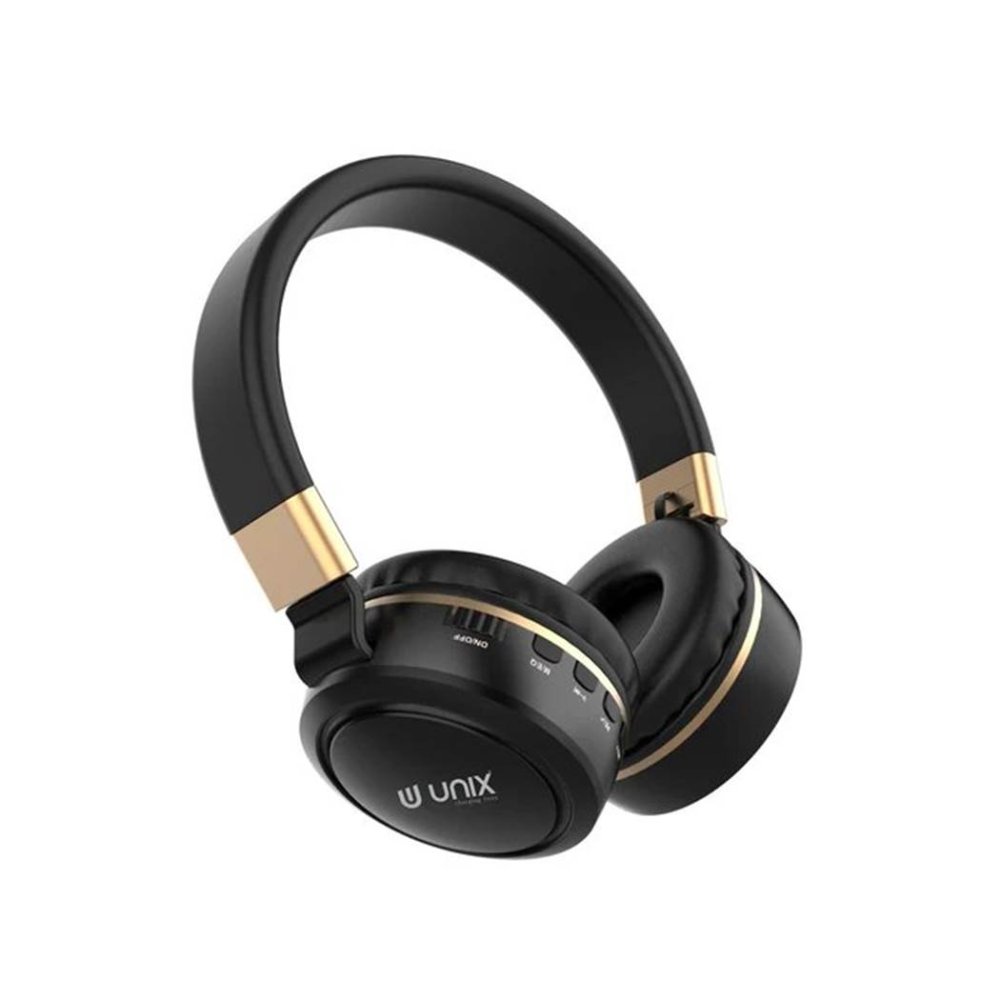
| Other Features | Foldable & Light Weight Design : Easy to store and carry with its foldable build take it to the gym, office, or while travelling. Built-In Mic For Hands-Free Calls : Take calls with clear voice clarity using the integrated microphone stay connected on the go. 40mm Dynamic Drivers : Experience immersive stereo sound with deep bass and crisp highs ideal for music, gaming, and movies. TF Card Support : Play music directly from a TF card without needing a smartphone or Bluetooth connection great for offline use. 12-Hour Battery Life : Enjoy up to 12 hours of continuous music playback with a 200mAh battery perfect for long commutes, workouts, or travel. Soft Over-Ear Cushions : Designed for all-day comfort, the soft padded earpads reduce pressure and allow for extended listening without discomfort. Bluetooth 5.0 + EDR Technology : Enjoy fast pairing and a stable 10m connection with all Bluetooth-enabled devices including phones, tablets, and laptops. |
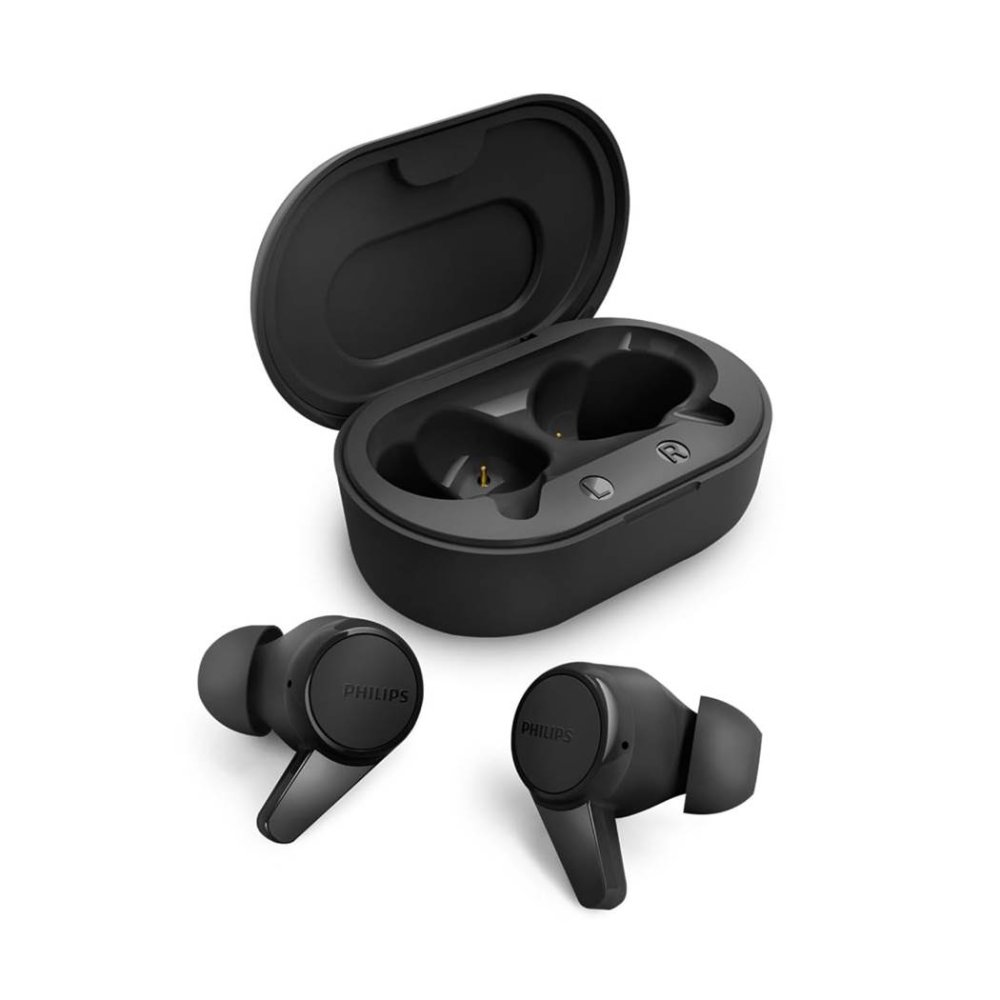
AT YOUR FINGERTIPS : Integrated controls on the earbuds make it easy to control your listening. Skip or pause tracks, take or reject calls and more. WORKS WITH VOICE ASSISTANTS : Busy with your hands? Ask your smartphone's voice assistant to get directions, play music, check for weather updates and more. INSTANT PAIRING : These headphones are ready to pair the instant you take them out of their charging case. Once paired, they remember the last device they were paired with. INSPIRING MUSIC ON-THE-GO : These tiny yet powerful true wireless earbuds are exactly what you need for your morning commute. They fit easily into the pocket of your slim-fit jeans, so you’re always ready to go. JUST KEEP FLOWING : Rigorously tested to meet an IPX4 rating, these headphones will let you enjoy great audio quality wherever you are. Hit the beach, or the gym. Don't let a little rain and sweat spoil your fun. GREAT SOUND, SECURE FIT : You get great sound from the 6mm neodymium drivers and you can rock your tunes in real comfort thanks to the snug, lightweight design. Soft, interchangeable ear-tip covers help you find a comfortable in-ear fit. BOOST YOUR DAY : Experience uninterrupted playtime with T1207’s 6-hour battery life that can be extended up to 18 hours with the super compact charging case. A 15-minute boost gives you an extra hour, and you can double your talk time by using one earbud while the other one charges. |
Advertisement
Compare Unix Elite 9 with:
Compare Philips TAT1207BK with:
Top Differences
- Battery Life: 6 + 12 Hours vs 12 Hours
- Noise Cancelling: Sound Isolation vs Active Noise Cancelling
- Driver Size: 6 mm vs 40 mm
- Bluetooth: 5.2 vs 5.0 + EDR
- Weight: 34 GM vs 150 GM
Advertisement