 ALERT
ALERT
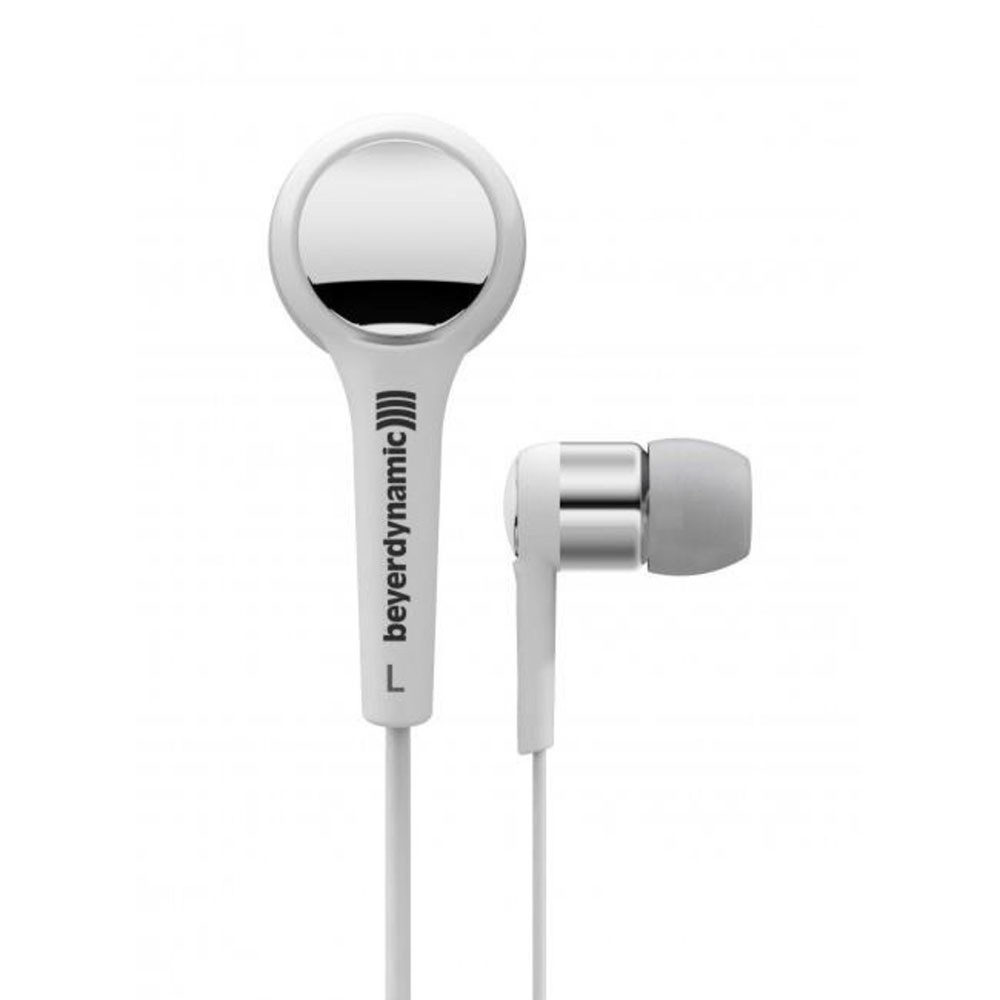
Urbanears Medis Moss vs Beyerdynamic DTX 102 IE
Advertisement
| Specification | ||
|---|---|---|
| Price | Rs.3,399.00 |
Rs.3,359.00 |
| Brand | Urbanears |
Beyerdynamic |
| Model No | Medis Moss |
DTX 102 IE |
| Wired / Wireless | Earphone Specification |
Earphone Specification |
| Headphone Type | In Ear Canal |
In Ear Canal |
| Magnet Type | Neodymium |
Neodymium |
| Driver Diameter | 15.4 mm |
NA |
| Impedance | 32 Ohms |
23 Ohms |
| Sensitivity | 115 dB/mW |
104 dB/mW |
| Frequency Response | 20 Hz - 20000 Hz |
10 Hz - 23000 Hz |
| Maximum Power Input | 5 mW |
NA |
| Noise Cancelling | NA |
NA |
| Available Colors | Black, Blue, Grey, Brown, Gold |
Black, White, Grey |
| Connector Plating | 3.5 mm Gold Plated Jack |
3.5 mm Gold Plated Jack |
| Cable | 1.2 m |
1.2 m |
| Weight | NA |
11 g |
| Other Features | - Fantastic Sound - The Earclick Solution : The technology helps secure the ear buds in the right positions when plugged into the ears. It locks in without any pressure on the ear - Mic and Remote with all the features - Distinct looks and various colours - Waven fabric cable type |
- Balanced sound due to neodymium HD acoustic drivers - Powerful bass response - Closed design - Robust metal housing - Versions in three colours - Compatible with portable devices with mini jack socket (3.5 mm) - Supplied with 3 pairs of ear tips in different sizes, cable clip and case with a quick acting closure - High-resolution, crystal clear sound - Fascinating bass - HD Neodymium acoustic transducer - Refined lightweight metal housing - Including softcase |

Advertisement
Compare Urbanears Medis Moss with:
Compare Beyerdynamic DTX 102 IE with:
Top Differences
- Driver Size: NA vs 15.4 mm
- Weight: 11 g vs NA
- Impedance: 23 Ohms Vs 32 Ohms
Advertisement