 ALERT
ALERT
Denon AH-MM200 vs Klipsch Reference On-Ear
Advertisement
| Specification | ||
|---|---|---|
| Price | Rs.17,500.00 |
Rs.17,900.00 |
| Brand | Denon |
Klipsch |
| Model No | AH-MM200 |
Reference On-Ear |
| Wired / Wireless | Wired Headphone Specification |
Wired Headphone Specification |
| Headphone Type | On Ear |
On Ear |
| Magnet Type | Neodymium |
Neodymium |
| Driver Diameter | 30 mm |
40 mm |
| Impedance | 36 Ohms |
32 Ohms |
| Sensitivity | 99 dB/mW |
110 dB/mW |
| Frequency Response | 10Hz - 25,000Hz |
20 Hz - 20000 Hz |
| Maximum Power Input | 1000 mW |
NA |
| Noise Cancelling | NA |
NA |
| Available Colors | White |
Black, White |
| Connector Plating | 3.5 mm Gold Plated Jack |
3.5 mm Gold Plated Jack |
| Cable | 1.2 m |
1.2 m |
| Weight | 130 g |
200 g |
| Other Features | - 30mm Triple Layer Diaphragms and Neodymium Magnets - Oxygen Free Copper cables - Contemporary European Design |
- Dynamic 40mm Moving Coil - 3-Button Remote + Mic for iOS - Soft, Deep Ear Cushions - Flat Tangle-Resistant Cable for hassle-free storage and transport. - Foldable Design - Carrying Case - Black or White Finish |
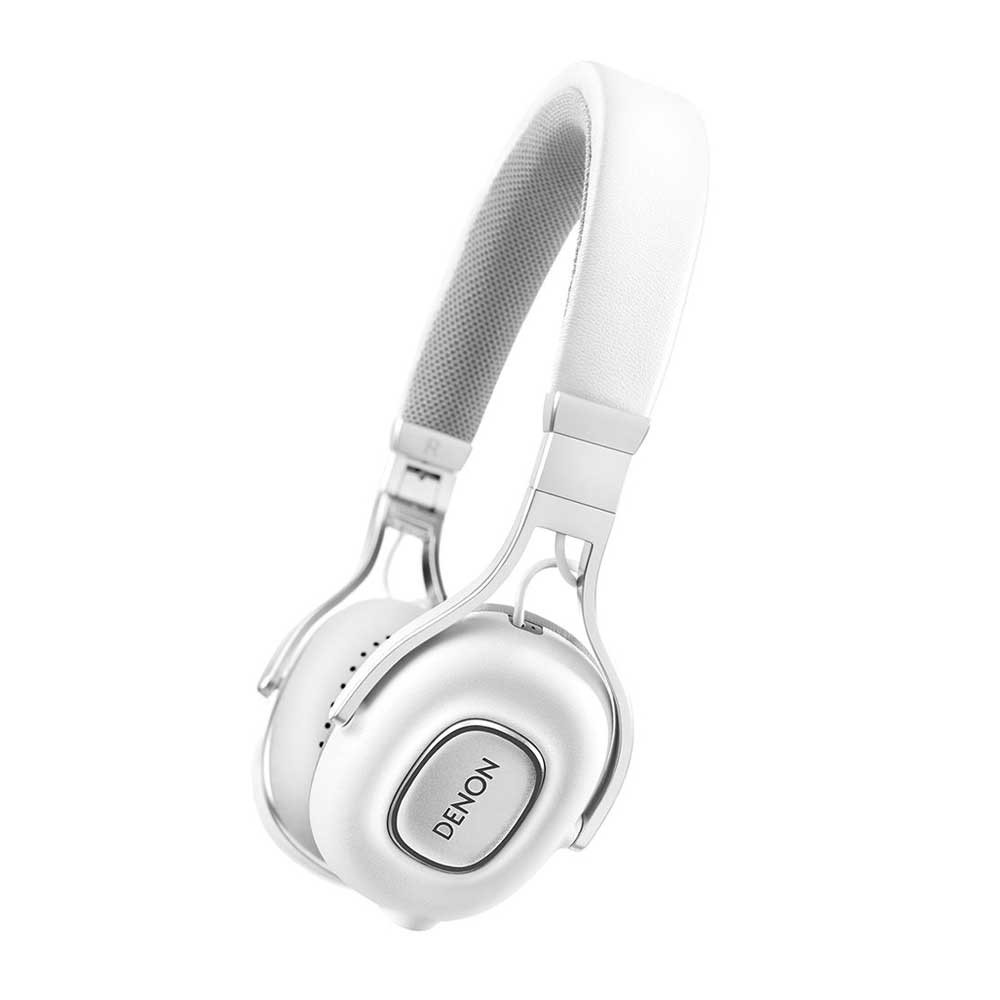
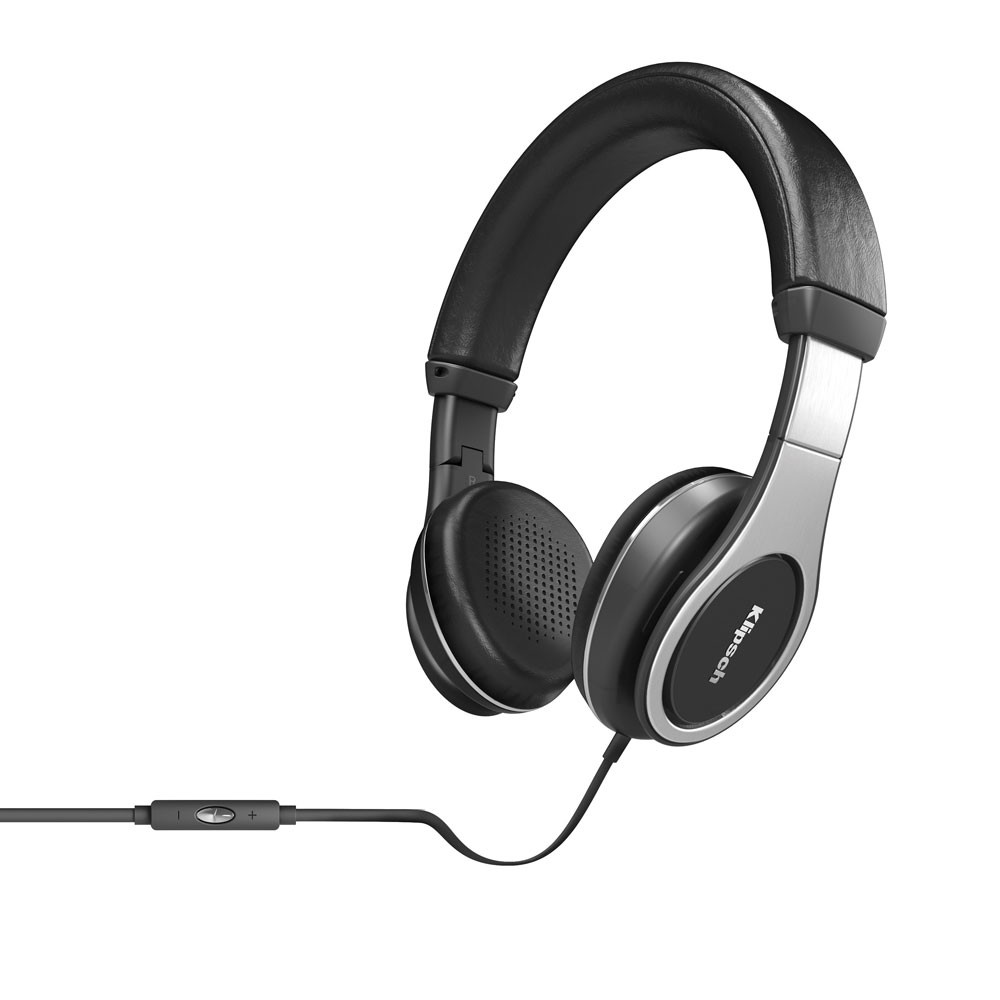
Advertisement
Compare Denon AH-MM200 with:
Compare Klipsch Reference On-Ear with:
Top Differences
- Driver Size: 30 mm vs 40 mm
- Weight: 130 g vs 200 g
- Impedance: 36 Ohms Vs 32 Ohms
Advertisement