 ALERT
ALERT
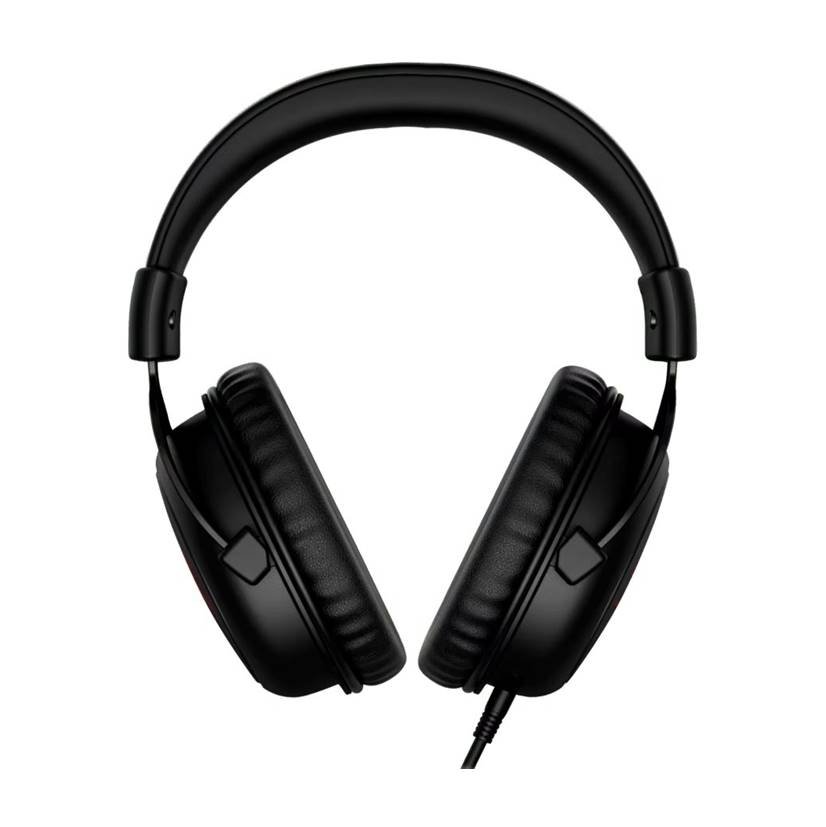
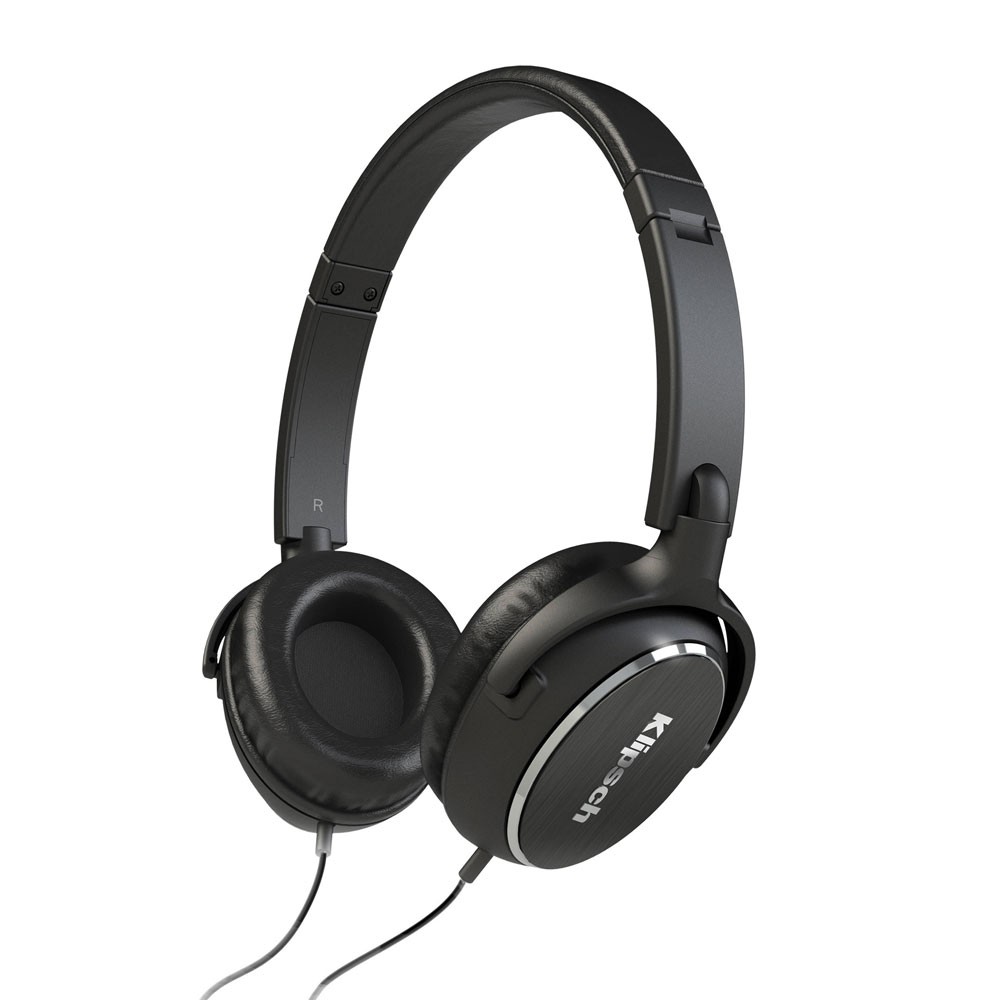
HP HyperX Cloud Core + 7.1 vs Klipsch R6i On-Ear
Advertisement
| Specification | ||
|---|---|---|
| Price | Rs.6,490.00 |
Rs.6,800.00 |
| Brand | HP |
Klipsch |
| Model No | HyperX Cloud Core + 7.1 |
R6i On-Ear |
| Wired / Wireless | Wired Headphone Specification |
Wired Headphone Specification |
| Headphone Type | Over Ear |
On Ear |
| Magnet Type | Neodymium |
Neodymium |
| Driver Diameter | 53 mm |
40 mm |
| Impedance | 60 ohm |
32 Ohms |
| Sensitivity | 98+/-3dB |
110 dB/mW |
| Frequency Response | 15 Hz - 25000 Hz |
20 Hz - 20000 Hz |
| Maximum Power Input | 30mW |
NA |
| Noise Cancelling | Yes |
NA |
| Available Colors | Black |
Black, White |
| Connector Plating | 3.5 mm |
3.5 mm Gold Plated Jack |
| Cable | USB-C Coiled Cable |
NA |
| Weight | 295 Gm |
160 g |
| Other Features | Cable length : 1m. Durable aluminum frame. Signature HyperX comfort. 2 Year Manufacturer Warranty. DTS® Headphone:X®[1] Spatial Audio. Detachable noise-cancelling microphone. Amazing sound meets signature comfort and durability. |
- Light & Comfortable design - Dynamic moving coil 40mm speaker - High-density memory foam ear cups - Advanced three-button mic and remote - Adjustable leather headband |
Advertisement
Compare HP HyperX Cloud Core + 7.1 with:
Compare Klipsch R6i On-Ear with:
Top Differences
- Noise Cancelling: NA vs Yes
- Driver Size: 40 mm vs 53 mm
- Weight: 160 g vs 295 Gm
- Impedance: 32 Ohms Vs 60 ohm
Advertisement