 ALERT
ALERT
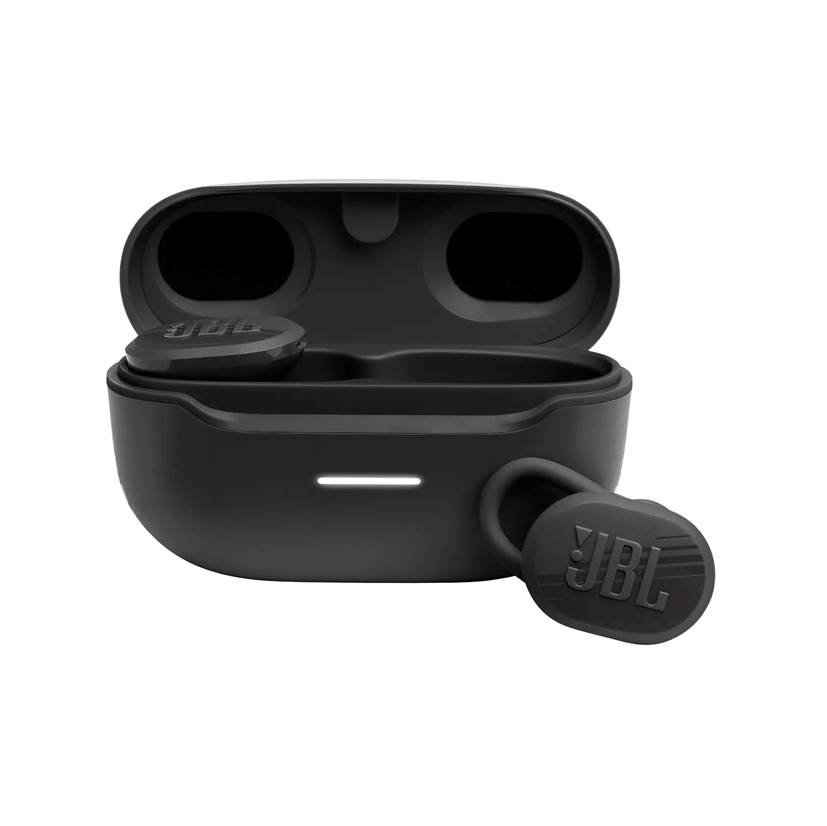
JBL Endurance Race TWS vs Toreto Air Flex
Advertisement
| Specification | ||
|---|---|---|
| Price | Rs.4,999.00 |
Rs.4,999.00 |
| Brand | JBL |
Toreto |
| Model No | Endurance Race TWS |
Air Flex |
| Wired / Wireless | Wireless Headphone Specification |
Wireless Headphone Specification |
| Headphone Type | In Ear |
In Ear |
| Magnet Type | Dynamic |
Dynamic |
| Driver Diameter | 6 mm |
10 mm |
| Impedance | 16 Ohm |
80 Ohms |
| Sensitivity | 99 dB SPL |
42+/-3db |
| Frequency Response | 20 Hz - 20000 Hz |
20 Hz - 20KHz |
| Maximum Power Input | 5 V / 1A |
DC 5 V |
| Wireless / Bluetooth Details | ||
| Wireless Technology | Bluetooth |
Bluetooth |
| Bluetooth Version | 5.2 |
5.3 |
| Compatible Profiles | All Bluetooth Devices |
All Bluetooth Devices |
| Supported Codecs | A2DP, AVRCP,HFP |
AAC, SBC |
| Battery Type | Lithium-ion Batteries |
Lithium-Ion Batteries |
| Bluetooth Range | 10 Meters |
10 Meters |
| Battery Life | 30 Hours |
40 Hours |
| Charging Time | < 2 Hours |
4E+1 Hours |
| Noise Cancelling | NA |
Active Noise Cancelling + ENC |
| Available Colors | Black |
White |
| Connector Plating | NA |
NA |
| Cable | USB Type-C Charging Cable |
USB Type-C Charging Cable |
| Weight | 44.9 Gm |
130 GM |
| Other Features | JBL Pure Bass Sound. Up to 30 hours of battery life. Enhancer and Twistlockâ„¢ design support your active lifestyle. Just 10 minutes of Speed Charge gives you another full hour of playtime. The rugged IP67-certified dust and waterproof design of the JBL Endurance Race TWS earbuds gives you the freedom to stay active and energized from the beach to the boardroom. |
Up To 1-Year Warranty. Fast Charging For Quick Use : With fast charging capabilities, the Air Flex earbuds get back to full power in no time. Impressive 300-Hour Playtime : The 300-hour playtime on a single charge is one of the most impressive features of the Air Flex earbuds. Latest Bluetooth V5.3 Technology : Featuring Bluetooth V5.3, the Toreto Air Flex ensures a stable, low-latency connection with your devices. 10mm HD Hi-Bass Audio Drivers: The 10mm HD Hi-Bass audio drivers deliver an immersive sound experience with rich bass, clear treble, and balanced mids. Matte Finish Design: The Toreto Air Flex TWS Earbuds come in a sleek and stylish matte finish, offering both a premium look and a comfortable, ergonomic fit. Perfect For Active Lifestyles : The lightweight and ergonomic design makes these earbuds ideal for active use. Whether you're running, working out at the gym, or commuting, the Toreto Air Flex earbuds stay securely in place, providing a comfortable fit while offering excellent sound and calling quality on the go. Compact and Portable Charging Case : The compact charging case makes it easy to carry your Toreto Air Flex TWS Earbuds wherever you go. It’s small enough to fit in your pocket or bag, and the case also supports additional charging to ensure your earbuds stay powered up throughout the day. Enjoy hassle-free, portable convenience with every use. Quad Microphones With ENC Technology : Equipped with quad microphones and Environmental Noise Cancellation technology, the Air Flex earbuds deliver crystal-clear calling quality, even in noisy environments. Whether you're in a crowded café, a bustling street, or at home with background noise, your voice will come through loud and clear, ensuring professional-quality calls every time. |

Advertisement
Compare JBL Endurance Race TWS with:
Compare Toreto Air Flex with:
Top Differences
- Battery Life: 30 Hours vs 40 Hours
- Noise Cancelling: NA vs Active Noise Cancelling + ENC
- Driver Size: 6 mm vs 10 mm
- Bluetooth: 5.2 vs 5.3
- Weight: 44.9 Gm vs 130 GM
Advertisement