 ALERT
ALERT
JBL SoundGear Sense vs Sennheiser Momentum Sport
Advertisement
| Specification | ||
|---|---|---|
| Price | Rs.34,817.00 |
Rs.34,990.00 |
| Brand | JBL |
Sennheiser |
| Model No | SoundGear Sense |
Momentum Sport |
| Wired / Wireless | Wireless Headphone Specification |
Wireless Headphone Specification |
| Headphone Type | Neckband |
In Ear Canal |
| Magnet Type | Dynamic |
Dynamic |
| Driver Diameter | 16.2 mm |
10 mm |
| Impedance | 32 Ohms |
150 Ohms |
| Sensitivity | 112dB SPL@1 kHz |
110 dB SPL |
| Frequency Response | 20 Hz - 20KHz |
15Hz - 18KHz |
| Maximum Power Input | 5V 1A |
16 mW |
| Wireless / Bluetooth Details | ||
| Wireless Technology | Bluetooth |
Bluetooth |
| Bluetooth Version | 5.3 |
5.2 |
| Compatible Profiles | All Bluetooth Devices |
All Bluetooth Devices |
| Supported Codecs | AAC, SBC |
SBC, AAC, aptXâ„¢, aptX adaptiveâ„¢ |
| Battery Type | Lithium-Ion Batteries |
Lithium-Ion Batteries |
| Bluetooth Range | 10 Meters |
40 Meters |
| Battery Life | 24 Hours |
24 Hours |
| Charging Time | 2 Hours |
1.5 Hours |
| Noise Cancelling | NA |
Hybrid Adaptive Active Noise Cancelling |
| Available Colors | Black, White |
Black, Green, Grey |
| Connector Plating | NA |
NA |
| Cable | USB Type-C Charging Cable |
USB Type-C Charging Cable |
| Weight | 13.1 GM |
91 GM |
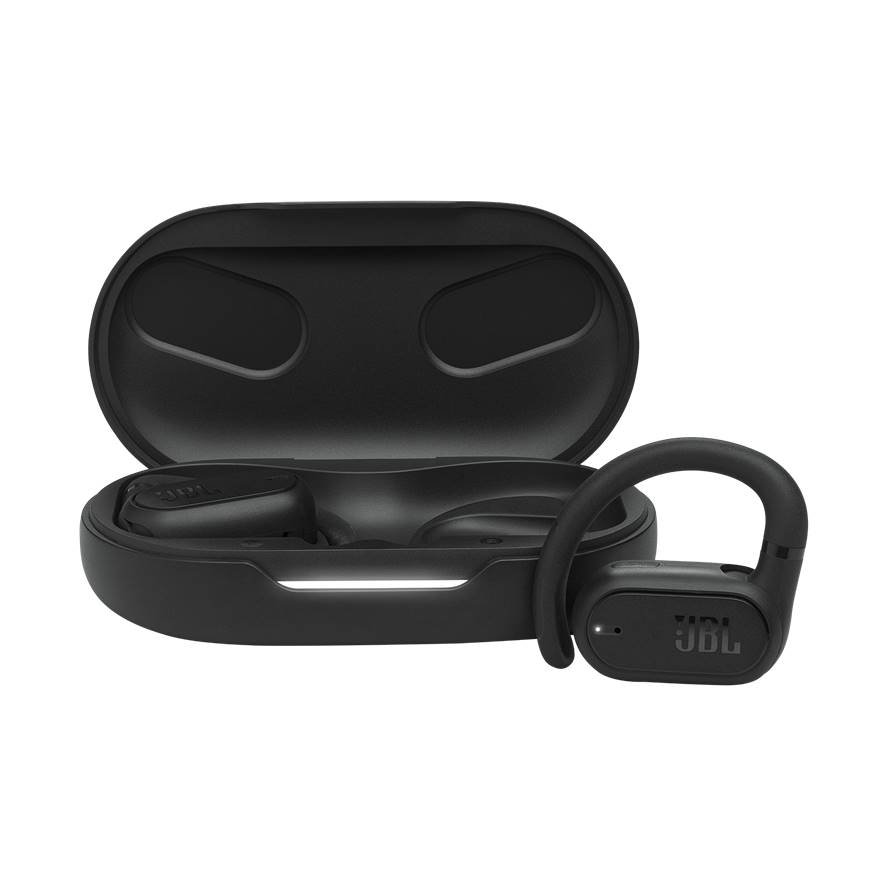
| Other Features | IP54 Water and dust resistant. Up To 24 hours of music playback. Type-C USB cable—a quick 15-minute charge gives you 4 additional hours of music. The JBL Soundgear Sense earbuds are rated IP54 dust proof and splash proof. So a gust of wind on a dusty trail or a quick summer shower won't even slow you down. The adjustable earhooks offer comfort and stability for all-day use. Going for a run? The included neckband provides an even more secure fit so you won't lose an earbud while you're working out. For long-lasting fun, listen wirelessly for up to 6 hours and get another 18 from the charging case. If you're in a hurry, use the convenient Type-C USB cable—a quick 15-minute charge gives you 4 additional hours of music. Two smartly designed 16.2mm drivers - one per each earbud - feature a unique bass enhancing algorithm, providing an amazing no compromise sound experience with punchy bass and pure sound. Enjoy every beat while hearing the world around you. Experience JBL Soundgear Sense : Enjoy natural sound with minimal leakage: Its OpenSound tech directs sound waves to your ears, reducing dispersion. Resting comfortably on your ears, it lets you hear your audio and surroundings without any obstruction. |
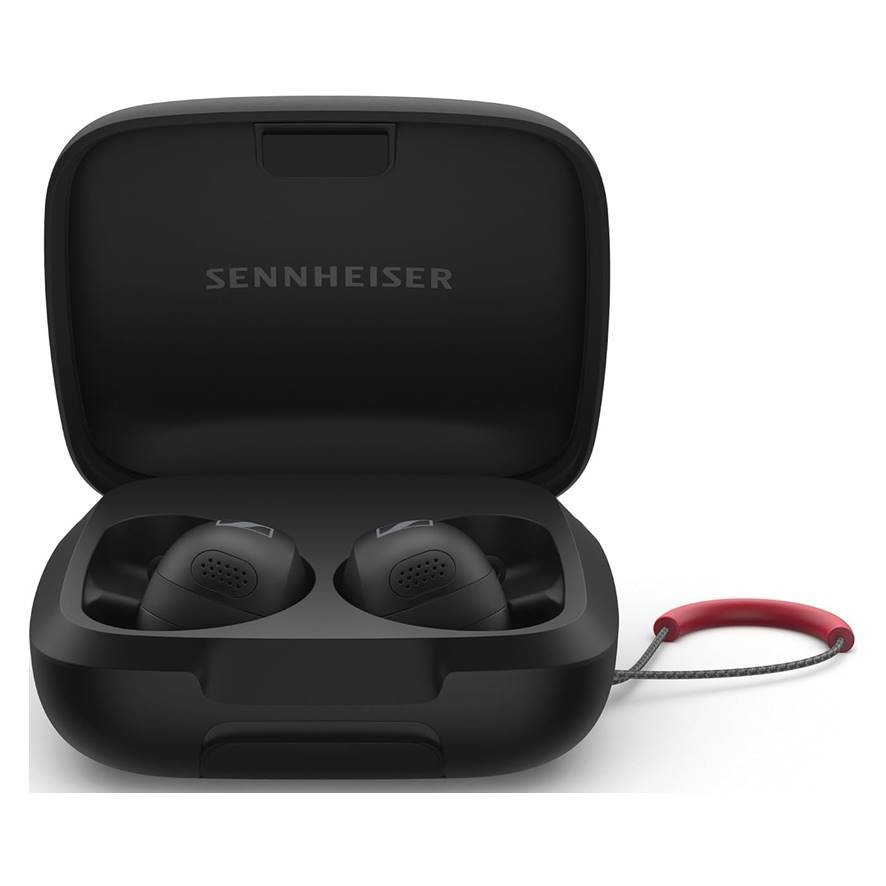
After 10 min charging 1 Hrs music playtime. Secure fit ideal for a wide range of sports — chose your ear fin and ear tip size for lasting fit. Sports ecosystem compatibility — use with leading sports watches, apps, and fitness equipment via Bluetooth. Integrated performance tracking sensors — measure your heart rate and body temperature using in-ear sensors. Sennheiser sound, tuned for sports — elevate your performance with clear sound and powerful bass in sports mode. Shock, dust, and sweat resistance — don’t worry about water or dust with the IP55-rated water-resistant acoustic design. Adaptive ANC — stay focused in noisy gyms or outdoor spaces with active noise cancellation that adapts to your surroundings. Effortless Control : Smart UI with tap controls for effortless, precise earbud management during intense workouts so you can focus on achieving your fitness goals. Extended Battery Life : Never miss a beat with 24 hr total playtime (6 hrs earbuds + 18.5 hrs case) - Quick charge ensures 45 mins of playtime with just 10 mins of charging. Hear More Than Music : Unleash your workout's full potential with Sennheiser's sport sound profile, adaptive ANC, transparency mode and robust bass for immersive sound and focused training. Fitness Tracking Powered By Polar : In-ear sensors for real-time heart rate and body temperature tracking, syncing seamlessly with apps and devices for insightful health and performance metrics. Custom Fit For Every Athlete : Secure fit with interchangeable ear fins and tips for a snug, comfortable fit, plus IP55 sweat and splash resistance - Ideal for every ear shape and workout intensity. |
Advertisement
Compare JBL SoundGear Sense with:
Compare Sennheiser Momentum Sport with:
Top Differences
- Noise Cancelling: NA vs Hybrid Adaptive Active Noise Cancelling
- Driver Size: 16.2 mm vs 10 mm
- Bluetooth: 5.3 vs 5.2
- Weight: 13.1 GM vs 91 GM
- Impedance: 32 Ohms Vs 150 Ohms
Advertisement