 ALERT
ALERT
| Specification | ||
|---|---|---|
| Price | Rs.8,000.00 |
Rs.7,999.00 |
| Brand | JBL |
Philips |
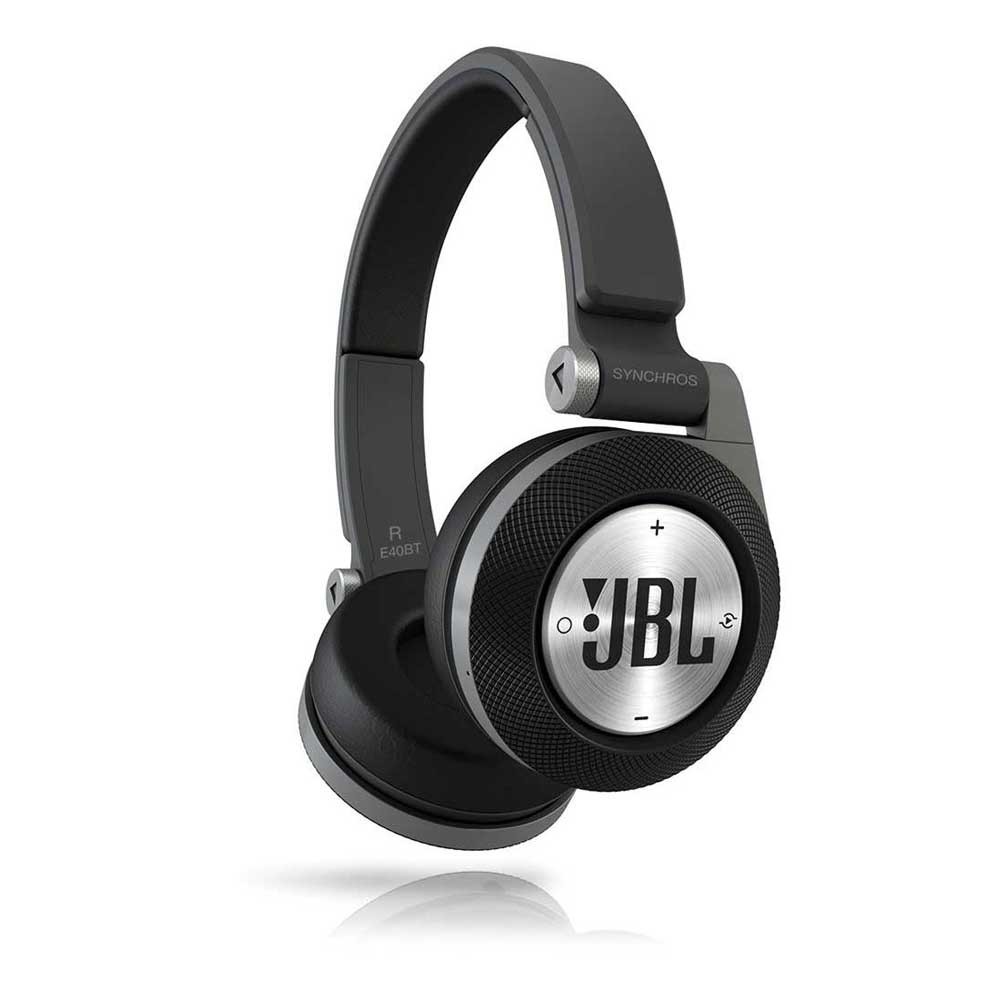
| Model No | Synchros E40 BT |
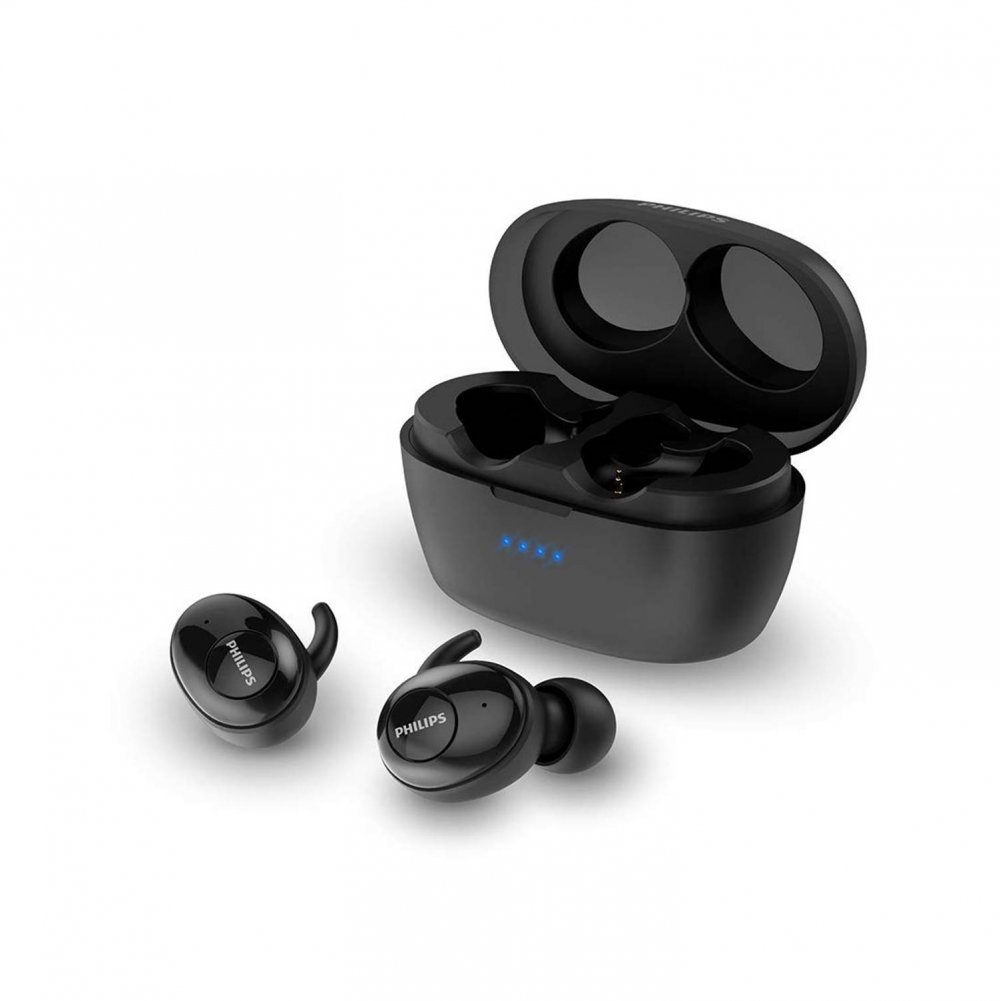
SHB2505BK/00 |
| Wired / Wireless | Wireless Headphone Specification |
Wireless Headphone Specification |
| Headphone Type | Over Ear |
In Ear |
| Magnet Type | Neodymium |
Neodymium |
| Driver Diameter | 40 mm |
6 mm |
| Impedance | 32 Ohms |
16 ohm |
| Sensitivity | 114 dB/mW |
90 dB |
| Frequency Response | 20 - 20,000Hz |
20 Hz - 20000 kHz |
| Maximum Power Input | 30 mW |
30 mW |
| Wireless / Bluetooth Details | ||
| Wireless Technology | Bluetooth |
Bluetooth |
| Bluetooth Version | 3.0 |
5.0 |
| Compatible Profiles | A2DP, AVRCP, HFP v1.6, HSP v1.2 |
All Bluetooth Devices |
| Supported Codecs | NA |
A2DP, AVRCP, HFP, HSP, SBC |
| Battery Type | Lithium-ion rechargeable battery |
Lithium- Ion Batteries |
| Bluetooth Range | 2.402 – 2.480GHz |
10 Meters |
| Battery Life | Talktime : 24 Hrs |
12 Hours |
| Charging Time | NA |
2 Hours |
| Noise Cancelling | NA |
NA |
| Available Colors | Black, White, Blue, Red |
Black |
| Connector Plating | 3.5 mm Gold Plated Plug |
NA |
| Cable | NA |
USB Charging Cable |
| Weight | 205 g |
46 gm |
| Other Features | - JBL Bluetooth Headphone is compatible with your choice of either iOS or Android devices giving you the flexibility you need for your listening pleasure - ShareMe : Take your music social. Stream music wirelessly to another ShareMe-equipped headphone. |
Feels good. Looks good. Easy pairing. Voice control. Get up to 12 hours play time. Ready to go. Up to 12 hours play time. Built-in mic with echo cancellation for clear audio. Soft rubberized wing tips. Secure and comfortable. Multi-function button. Easily control music and calls. Mono mode for when you want to leave one ear free. Oval acoustic tube. Comfort and passive noise isolation. Smart pairing. Automatically find your Bluetooth device. Portable charging case. Multiple charges in your pocket. Ear-tip covers in small, medium, and large-for a perfect fit. A double button-press wakes your phone's voice assistant. 6 mm neodymium acoustic drivers. Great sound, punchy bass. |
Compare JBL Synchros E40 BT with:
Compare Philips SHB2505BK/00 with:
Top Differences
- Battery Life: Talktime : 24 Hrs, Music Time : 16 Hrs vs 12 Hours
- Driver Size: 40 mm vs 6 mm
- Bluetooth: 3.0 vs 5.0
- Weight: 205 g vs 46 gm
- Impedance: 32 Ohms Vs 16 ohm