 ALERT
ALERT
| Specification | ||
|---|---|---|
| Price | Rs.8,000.00 |
Rs.7,999.00 |
| Brand | JBL |
Skullcandy |
| Model No | Synchros E40 BT |
Sesh Evo |
| Wired / Wireless | Wireless Headphone Specification |
Wireless Headphone Specification |
| Headphone Type | Over Ear |
In Ear |
| Magnet Type | Neodymium |
Dynamic |
| Driver Diameter | 40 mm |
6 mm |
| Impedance | 32 Ohms |
32 Ohm |
| Sensitivity | 114 dB/mW |
99-105dB |
| Frequency Response | 20 - 20,000Hz |
20 Hz - 20000 Hz |
| Maximum Power Input | 30 mW |
NA |
| Wireless / Bluetooth Details | ||
| Wireless Technology | Bluetooth |
Bluetooth |
| Bluetooth Version | 3.0 |
5.0 |
| Compatible Profiles | A2DP, AVRCP, HFP v1.6, HSP v1.2 |
All Bluetooth Devices |
| Supported Codecs | NA |
HSP, HFP, AVRCP, A2DP |
| Battery Type | Lithium-ion rechargeable battery |
Lithium Polymer Batteries |
| Bluetooth Range | 2.402 – 2.480GHz |
10 Meters |
| Battery Life | Talktime : 24 Hrs |
24 Hours |
| Charging Time | NA |
2 Hours |
| Noise Cancelling | NA |
Ambient |
| Available Colors | Black, White, Blue, Red |
Black, Blue, Red, Green, Grey |
| Connector Plating | 3.5 mm Gold Plated Plug |
NA |
| Cable | NA |
Type-C USB Charging Cable |
| Weight | 205 g |
63.5 gm |
| Other Features | - JBL Bluetooth Headphone is compatible with your choice of either iOS or Android devices giving you the flexibility you need for your listening pleasure - ShareMe : Take your music social. Stream music wirelessly to another ShareMe-equipped headphone. |
Use Either Bud Solo. Find your Earbuds with Tileâ„¢. Call, Track and Volume Control. Music, Movie and Podcast EQ Modes. IP55 Sweat, Water and Dust Resistant. 24 Hours Total Battery + Rapid Charge. The buds themselves hold up to 5 hours, and the case charges the buds 3 times between plug-ins. Plus, with Rapid Charge, the first 10 minutes of charging give you 2 hours of play time. |
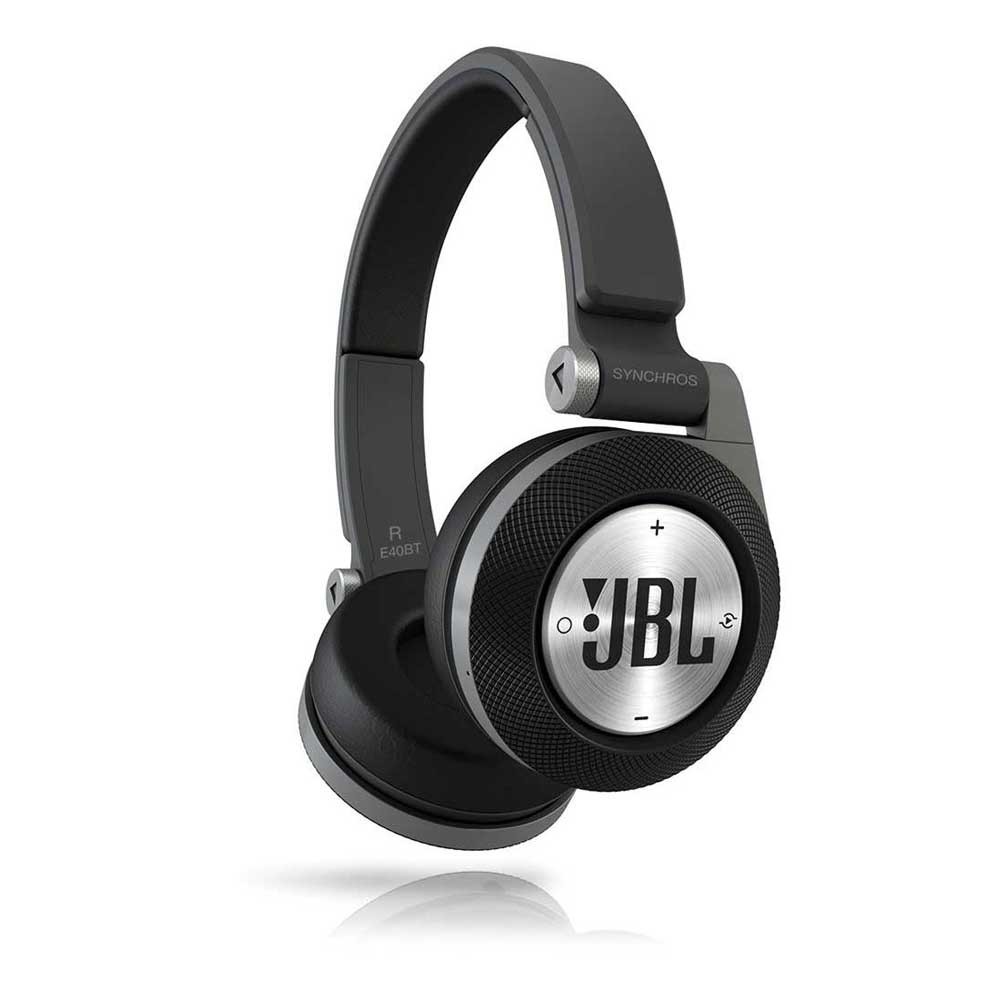
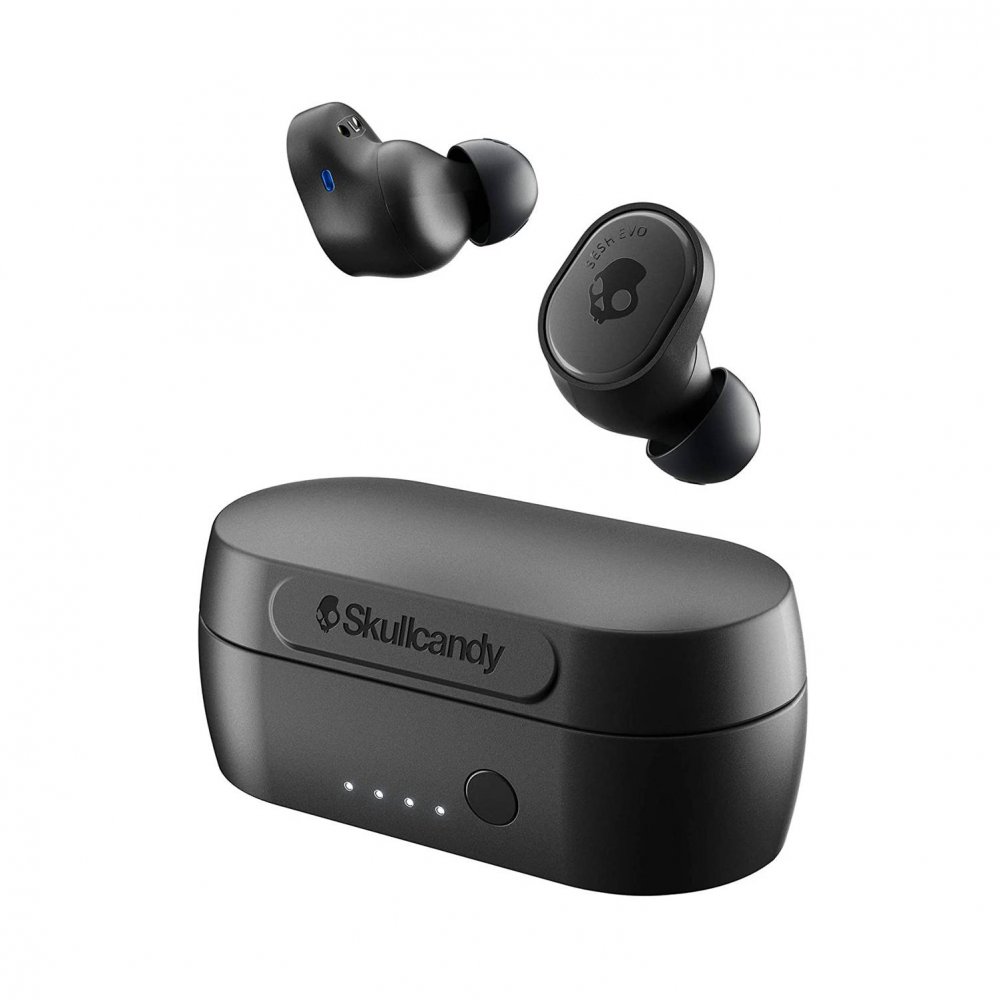
Compare JBL Synchros E40 BT with:
Compare Skullcandy Sesh Evo with:
Top Differences
- Noise Cancelling: NA vs Ambient
- Driver Size: 40 mm vs 6 mm
- Bluetooth: 3.0 vs 5.0
- Weight: 205 g vs 63.5 gm
- Impedance: 32 Ohms Vs 32 Ohm