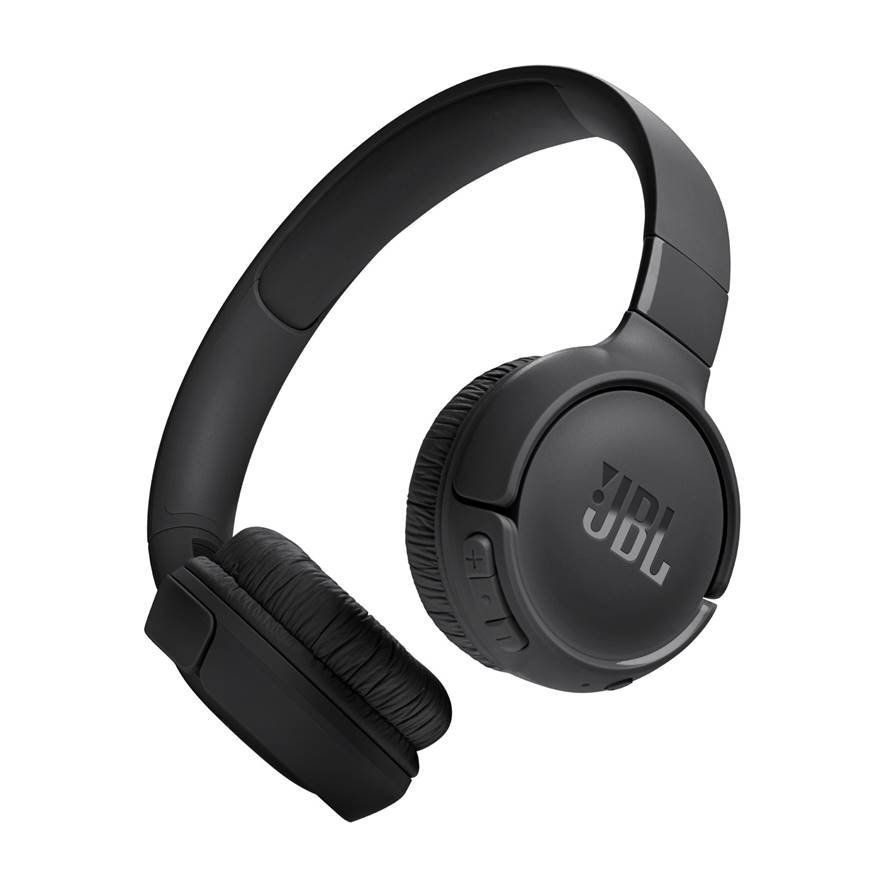
JBL Pure Bass Sound.
Up To 57H batteries life and speed charge ( 5 mins = 3 H ).
Multipoint connection allows you to quickly switch between two devices at once.
Customize your listening experience with JBL Headphones App to tailor the sound to your taste with the EQ.
JBL Tune 520BT feature the renowned JBL Pure Bass sound, the same that powers the most famous venues all around the world.
Crystal clear hands-free calls with built-in mic with Voice Aware to manage your calls from your headphones with the buttons on the ear-cup.
Ask Siri or Hey Google : Siri or Hey Google is just a button away : activate the voice assistant of your device by pushing the multi-function button.
With up to 57-hour battery life and quick charging of 5min gives 3Hrs playback, you’ll have enough power for multi-day road trips and long festival weekends. |
Exceptional Sound Quality : Experience immersive audio with deep bass and crisp highs, perfect for music lovers and gamers alike.
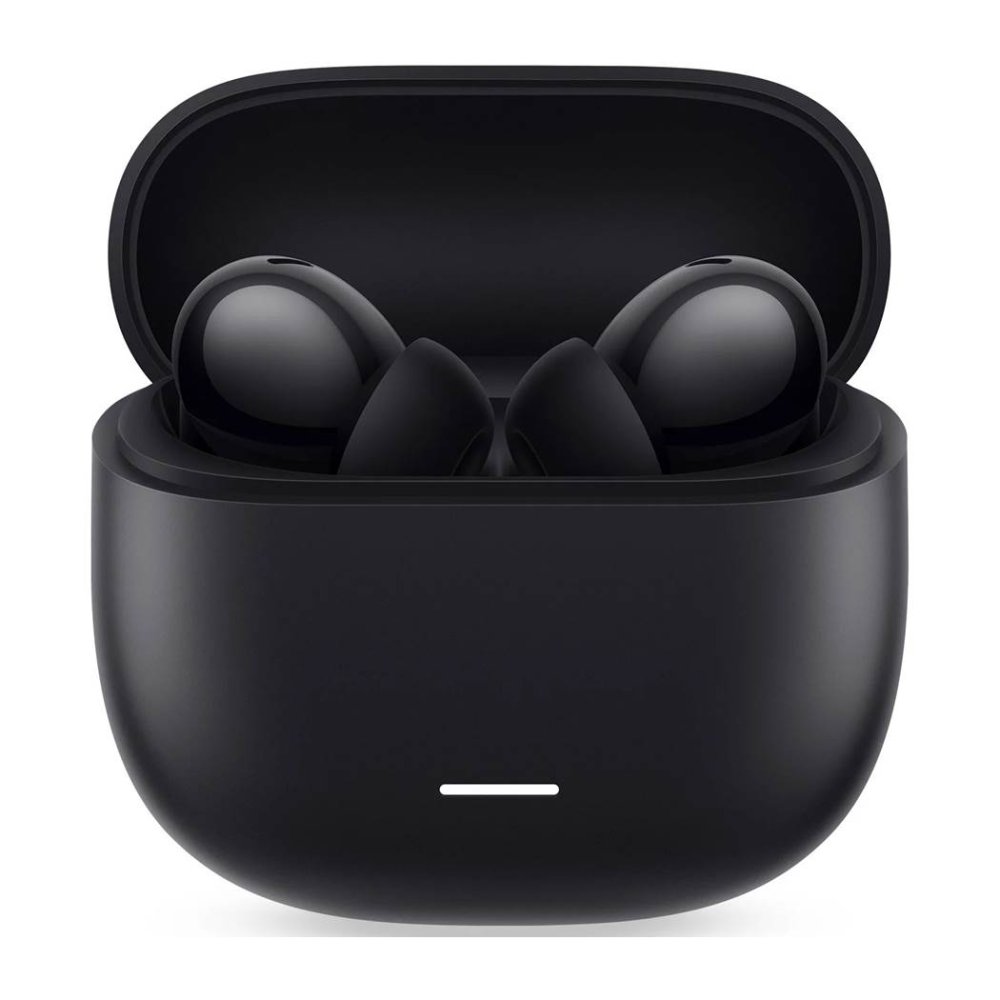
Long Battery Life : Enjoy up to 36 hours of total playback time with the charging case, so you can listen all day without interruption.
Bluetooth 5.3 Connectivity : Enjoy a stable and fast connection with Bluetooth 5.3 technology, ensuring seamless pairing with your devices.
Customizable EQ Settings : Tailor your sound experience with adjustable equalizer settings to suit your personal preferences and music genres.
Quad Microphone System : Enjoy crystal-clear calls with four microphones featuring AI noise reduction, ensuring your voice is heard loud and clear.
Gaming Mode : Activate low-latency gaming mode for a seamless audio experience, making every sound effect and dialogue crystal clear during gameplay.
Rapid Charging : Get back to your music quickly! Just 10 minutes of charging provides up to 2 hours of playback time - perfect for on-the-go lifestyles.
IP54 Water Resistance : Designed for durability, these earbuds are resistant to sweat and splashes, making them ideal for workouts or outdoor activities.
Sleek & Ergonomic Design : Lightweight and comfortable, the Redmi Buds 5C fit securely in your ears, perfect for extended listening sessions without discomfort.
Hybrid Active Noise Cancellation : Block out distractions with advanced noise cancellation technology, reducing ambient noise by up to 40dB for a focused listening experience. |
 ALERT
ALERT