 ALERT
ALERT
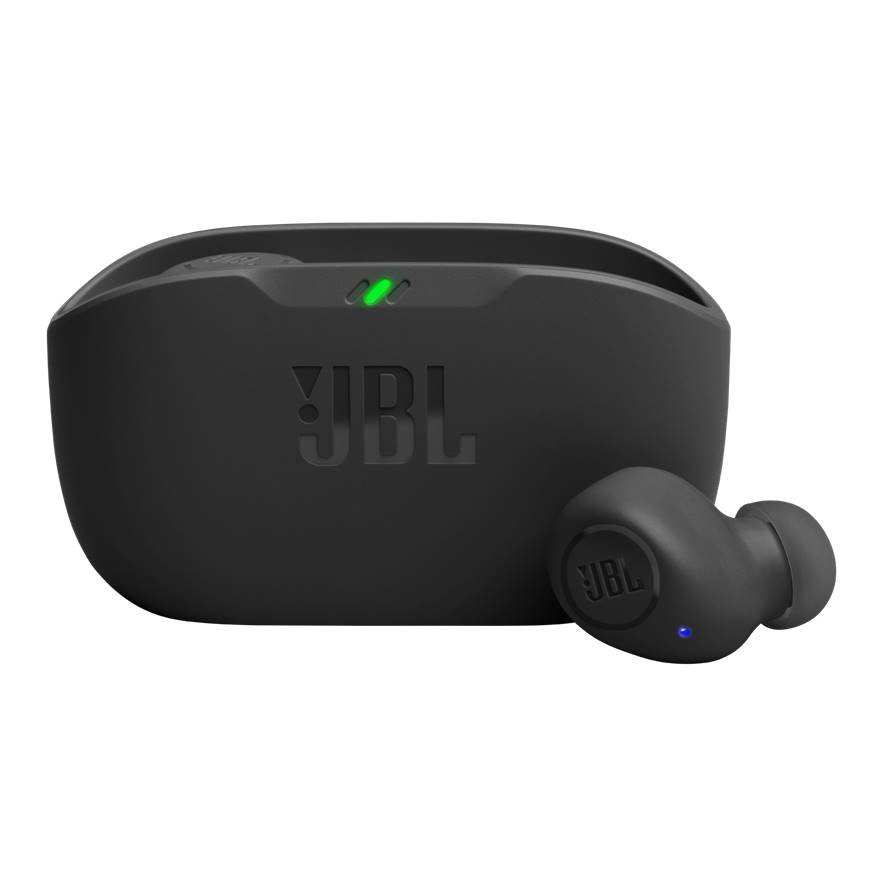
JBL Vibe Buds vs Skullcandy Push Ultra
Advertisement
| Specification | ||
|---|---|---|
| Price | Rs.15,324.00 |
Rs.14,999.00 |
| Brand | JBL |
Skullcandy |
| Model No | Vibe Buds |
Push Ultra |
| Wired / Wireless | Wireless Headphone Specification |
Wireless Headphone Specification |
| Headphone Type | In Ear |
In Ear Canal |
| Magnet Type | Dynamic |
Dynamic |
| Driver Diameter | 8 mm |
12.5 mm |
| Impedance | 16 Ohms |
32 Ohms |
| Sensitivity | 100dB SPL@1 kHz |
101-107dB |
| Frequency Response | 20 Hz - 20KHz |
20 Hz - 20000 Hz |
| Maximum Power Input | 5V 1A |
NA |
| Wireless / Bluetooth Details | ||
| Wireless Technology | Bluetooth |
Bluetooth |
| Bluetooth Version | 5.2 |
5.0 |
| Compatible Profiles | All Bluetooth Devices |
All Bluetooth Devices |
| Supported Codecs | AAC, SBC |
HSP, HFP, AVRCP, A2DP |
| Battery Type | Lithium-Ion Polymer Batteries |
Lithium Polymer Batteries |
| Bluetooth Range | 10 Meters |
10 Meters |
| Battery Life | 32 Hours |
40 Hours |
| Charging Time | < 2 Hours |
2 Hours |
| Noise Cancelling | NA |
Active |
| Available Colors | Black, White |
Black, Blue, Red, Yellow |
| Connector Plating | NA |
NA |
| Cable | USB Type-C Charging Cable |
Type-C USB Charging Cable |
| Weight | 43 GM |
139.5 gm |
| Other Features | IPX54 Water and dust resistant. Up To 32 ( 8 H + 24 H ) total hours of battery life with speed charging. JBL Deep Bass Sound : Get the most from your mixes with high-quality audio from secure, reliable earbuds with 8mm drivers featuring JBL Deep Bass Sound. Water & Dust Resistant : From the beach to the bike trail, the IP54-certified earbuds and IPX2 charging case are water and dust resistant for all-day experiences. Hands-Free Calls With VoiceAware : When you're making hands-free stereo calls on the go, VoiceAware lets you balance how much of your own voice you hear while talking with others. Comfortable Fit ( 3 Sizes Of Ear Tips Included ): The bud design of the JBL Vibe Buds gently seals your ears blocking external noises and enhancing the bass performance. And the three included ear tips let you choose the best size for your ears. Stay Aware Of Your Surrounding : Hear everything without taking your earbuds out with Smart Ambient technology. Instantly hear yourself and those around you with Talk Thru. Ambient Aware keeps the music playing while remaining aware of your surroundings. Up To 32 ( 8 H + 24 H) Hours Of Batteries Life With Speed Charging : With 8 hours of battery life in the earbuds and 24 in the case, the JBL Vibe Buds provide all-day audio. When you need more power, you can speed charge an extra two hours in just 10 minutes. |
Wireless Charging Case. IP67 Sweat and Waterproof. Full Controls from Each Bud. Find your Earbuds with Tileâ„¢. Moldable Hooks + Stay-Aware Buds. 40 Hours Total Battery + Rapid Charge. |

Advertisement
Compare JBL Vibe Buds with:
Compare Skullcandy Push Ultra with:
Top Differences
- Battery Life: 40 Hours vs 32 Hours
- Noise Cancelling: Active vs NA
- Driver Size: 12.5 mm vs 8 mm
- Bluetooth: 5.0 vs 5.2
- Weight: 139.5 gm vs 43 GM
Advertisement