 ALERT
ALERT
Advertisement
| Specification | ||
|---|---|---|
| Price | Rs.1,000.00 |
Rs.999.00 |
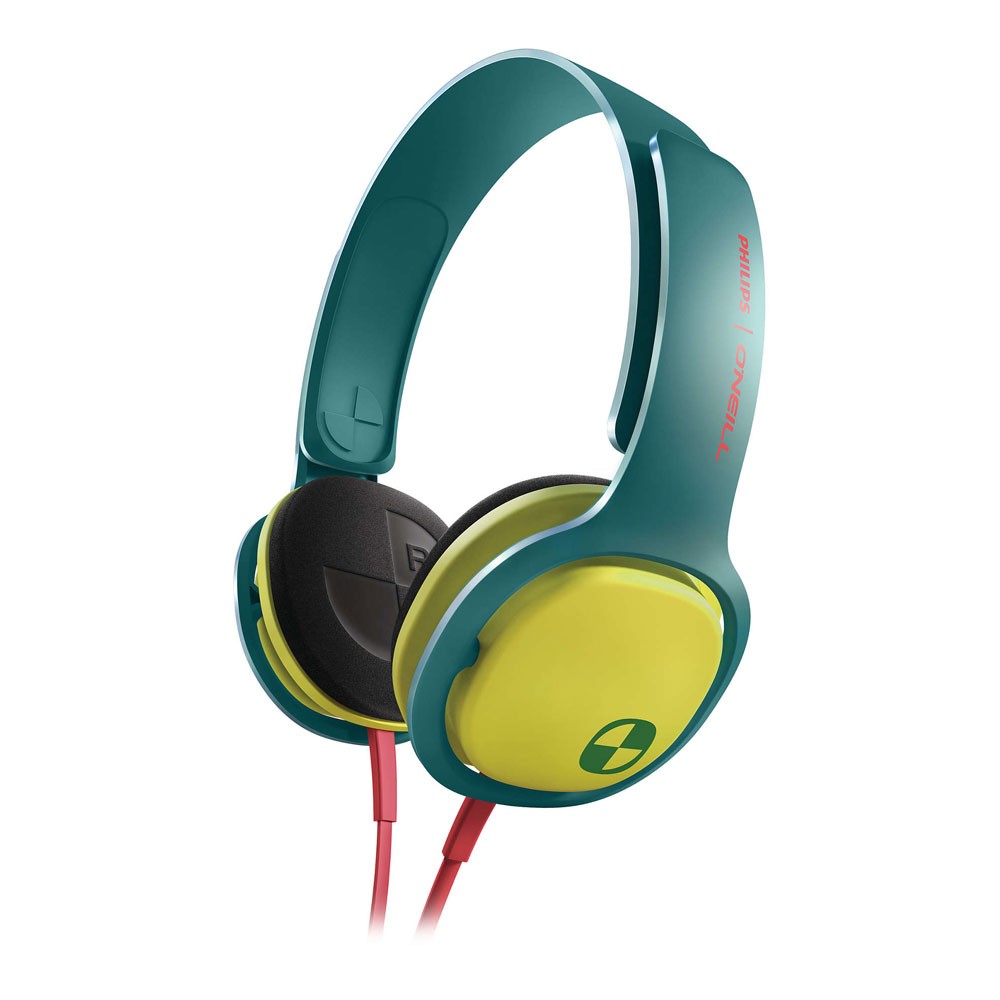
| Brand | Philips |
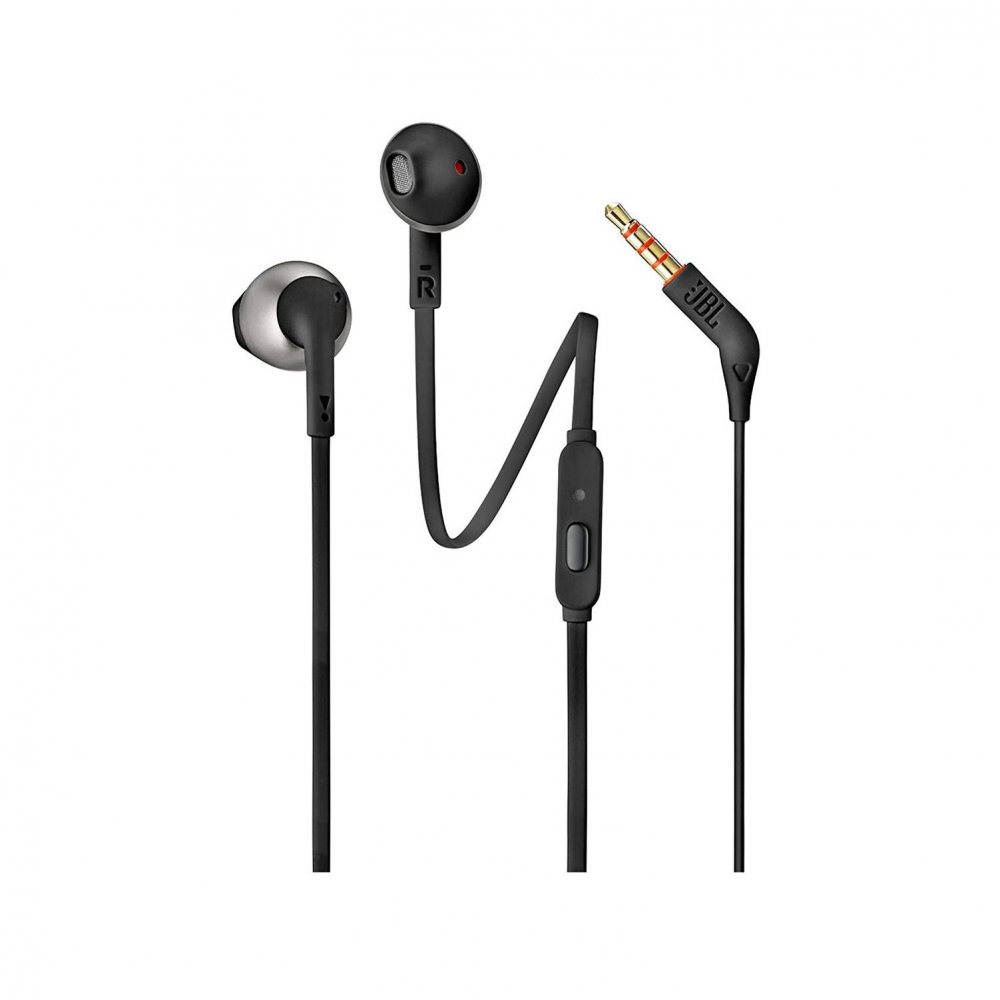
JBL |
| Model No | SHO3300ACID-00 |
TUNE 205 |
| Wired / Wireless | Wired Headphone Specification |
Wired Headphone Specification |
| Headphone Type | On Ear |
In Ear |
| Magnet Type | Neodymium |
Dynamic |
| Driver Diameter | 32 mm |
12.5 mm |
| Impedance | 32 Ohms |
32 ohm |
| Sensitivity | 104 dB/mW |
100dB |
| Frequency Response | 19 Hz -21000 Hz |
20 Hz - 20000 kHz |
| Maximum Power Input | 30 mW |
NA |
| Noise Cancelling | NA |
NA |
| Available Colors | Green |
Black, Grey, Pink, Gold |
| Connector Plating | 3.5 mm Silver Plated Jack |
3.5 mm |
| Cable | 1.2 |
Tangle- Free Flat Cable |
| Weight | 118 g |
14.3 gm |
| Other Features | - L-Shape Connector Enhances Cable Durability and Lifespan - 32mm Neodymium Drivers Deliver Dynamic Larger-Than-Life Bass - Soft, Breathable Fabric Cushions Ensure Long Wearing Comfort - Comfortable Headband Easily Adjusts to Every Head Size - Ultra-Tough, Tangle-Free Flat Cable |
JBL Pure Bass sound. Tangle-free flat cable. Comfort-fit ergonomics earbuds. Premium metalized ear-housing. One Button Universal Remote with Mic. Powerful, pure bass sound. Now in a takeaway version. The TUNE205 can be conveniently stored in the soft carrying pouch and carried along. These headphones reproduce that same JBL sound, punching out bass that’s both deep and powerful. |
Advertisement
Compare Philips SHO3300ACID-00 with:
Compare JBL TUNE 205 with:
Top Differences
- Driver Size: 32 mm vs 12.5 mm
- Weight: 118 g vs 14.3 gm
- Impedance: 32 Ohms Vs 32 ohm
Advertisement