Alert Icon ALERT
Ok Icon
FullSpecs.net Logo
 
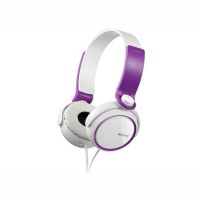
Sony MDR-XB250-V
Rs.1,250.00

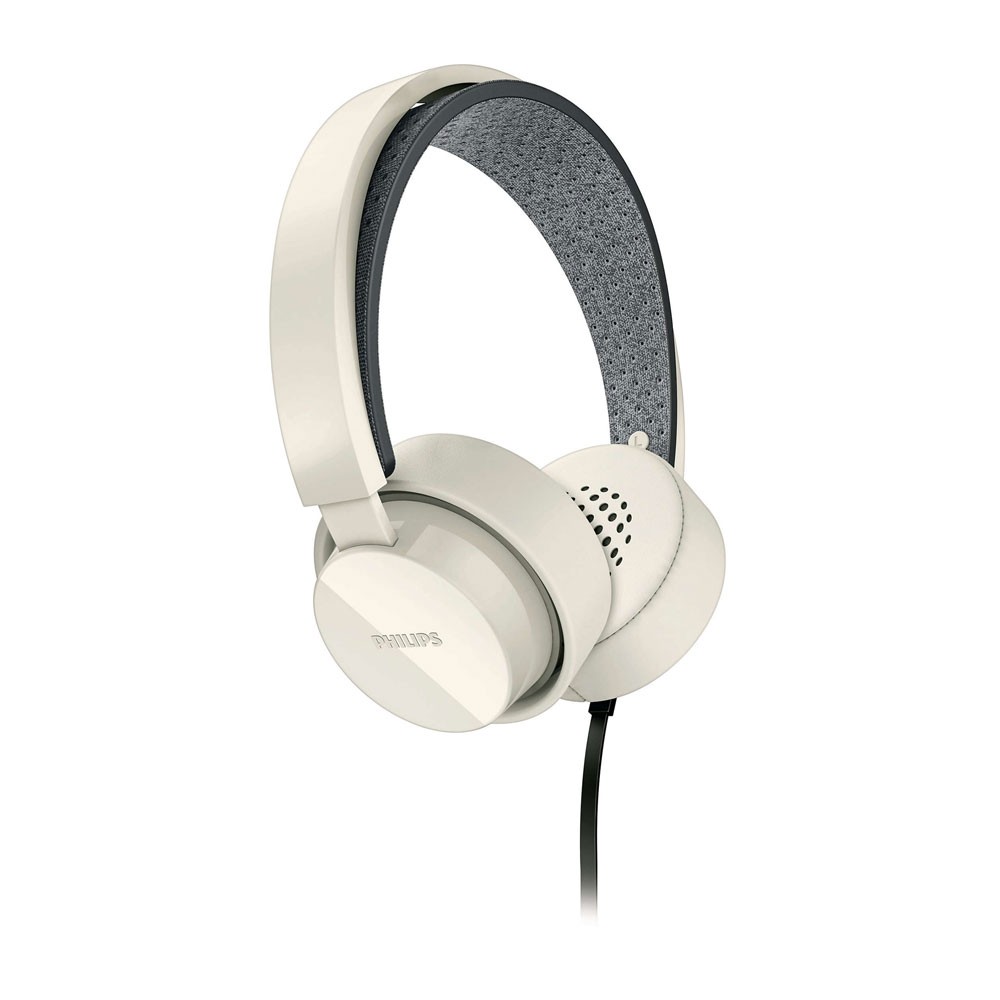
Philips SHL5200WT-10
Rs.1,300.00
Brand
Sony
Philips
Model No
MDR-XB250-V
SHL5200WT-10
Wired / Wireless
Wired Headphone Specification
Headphone Type
On Ear
On Ear
 
Magnet Type
Neodymium
Neodymium
Driver Diameter
30 mm
40 mm
Impedance
24 Ohms
32 Ohms
Sensitivity
98 dB/mW
106 dB/mW
Frequency Response
5 Hz - 22,000 Hz
20 Hz - 20000 Hz
Maximum Power Input
1000 mW
30 mW
Noise Cancelling
NA
NA
 
Available Colors
Black, White
White
Connector Plating
3.5 mm Gold Plated Plug
3.5 mm Gold Plated Jack
Cable
1.2 m
1.2 m
Weight
140 g
176 g
Other Features
- 30mm dynamic driver unit for powerful sound
- Portable, Swivel folding design
- Tangle free flat serration cord

Package Details
- Individual Package Dimension(Length) cm : 20.4 cm
- Individual Package Dimension(Width) cm : 3.7 cm
- Individual Package Dimension(Height) cm : 27 cm
- Master Carton Length (cm) : 21.5 cm
- Master Carton Width (cm) : 15.5 cm
- Master Carton Height (cm) : 26.9 cm
- Powered by Deep, Dynamic Bass
- Powerful 40mm Drivers Deliver Deep and Dynamic Bass
- Flat 1.2m Anti-Tangle Cable Keeps you Kink- and Knot-Free
- Soft Breathable Headband for Long-Listening Comfort
- Soft Foam Cushions for Music Enjoyment in True Comfort
- Switch From Music to Phone Calls with Built-In Microphone

Compare Sony MDR-XB250-V with:

Compare Philips SHL5200WT-10 with:

Key Differences

Sony MDR-XB250-V and Philips SHL5200WT-10 are well-known options in the wireless headphone segment, offering a balance of audio quality, battery performance, and smart features. The driver size differs between the two (30 mm vs 40 mm), which can influence sound depth, bass response, and overall audio clarity. There is a noticeable difference in weight (140 g vs 176 g), which may affect comfort during extended use. Impedance levels vary (24 Ohms vs 32 Ohms), which can affect compatibility and audio output when used with different devices. Both models feature noise cancellation, helping reduce background noise for a more immersive listening experience. Both headphones offer solid battery performance, making them suitable for long listening sessions and travel. Both models support modern Bluetooth connectivity, ensuring stable wireless performance with compatible devices. Overall, both headphones are feature-rich and cater to users looking for a combination of sound quality, comfort, and wireless convenience. The frequency response differs (5 Hz - 22,000 Hz vs 20 Hz - 20000 Hz), which can influence how well the headphones reproduce lows, mids, and highs.

Verdict: Both headphones offer strong performance, and the right choice depends on your priorities such as battery life, comfort, and noise cancellation.

Top Differences

  • Driver Size: 30 mm vs 40 mm
  • Weight: 140 g vs 176 g
  • Impedance: 24 Ohms vs 32 Ohms