 ALERT
ALERT
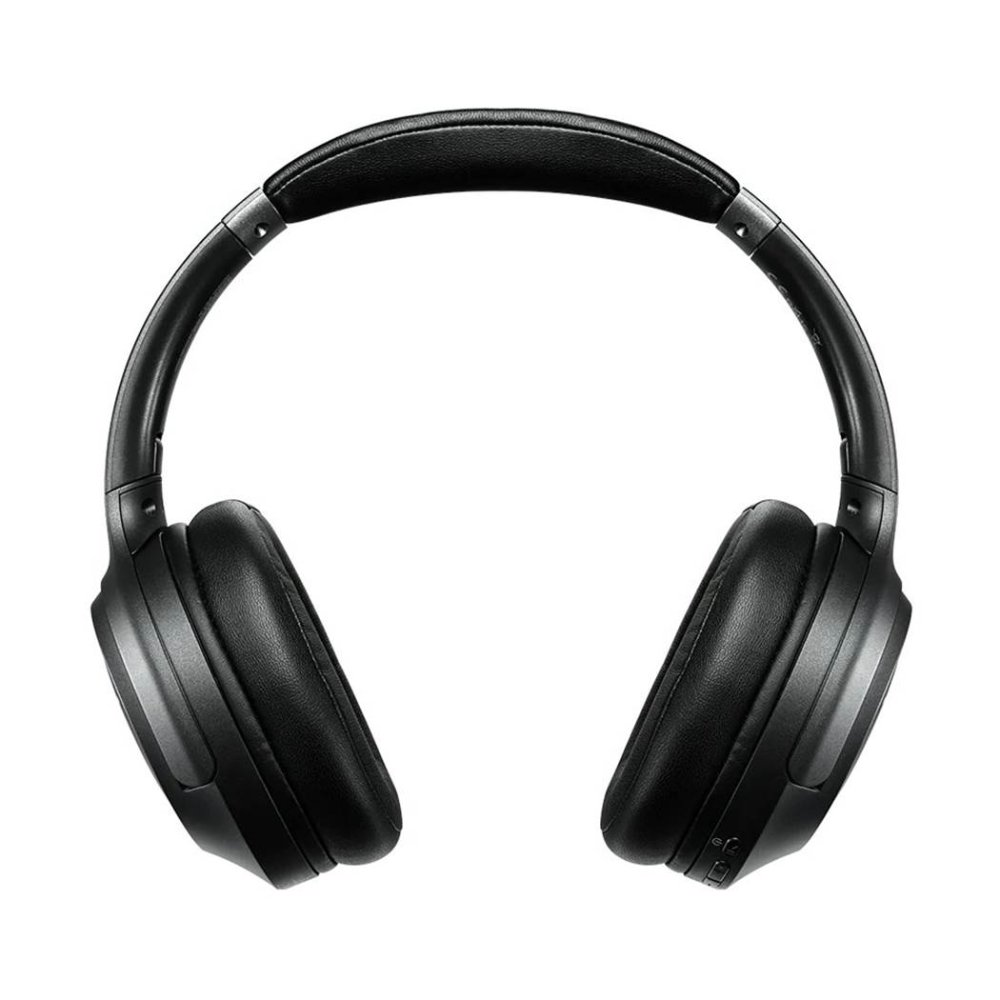
Tribit XFree Go S vs JBL E25BT
Advertisement
| Specification | ||
|---|---|---|
| Price | Rs.2,816.80 |
Rs.2,799.00 |
| Brand | Tribit |
JBL |
| Model No | XFree Go S |
E25BT |
| Wired / Wireless | Wireless Headphone Specification |
Wireless Headphone Specification |
| Headphone Type | Over Ear |
In Ear |
| Magnet Type | Dynamic |
Dynamic |
| Driver Diameter | 40 mm |
8 mm |
| Impedance | 32 Ohms |
16 ohm |
| Sensitivity | 100dB ± 3dB |
102dB |
| Frequency Response | 20Hz - 20 KHz |
20 Hz - 20000 kHz |
| Maximum Power Input | 5 V 1A |
NA |
| Wireless / Bluetooth Details | ||
| Wireless Technology | Bluetooth |
Bluetooth |
| Bluetooth Version | 5.3 |
4.1 |
| Compatible Profiles | All Bluetooth Devices |
All Bluetooth Devices |
| Supported Codecs | AAC, SBC |
HFP, HSP, A2DP, AVRCP |
| Battery Type | Lithium-Ion Batteries |
Lithium-ion Polymer Battery |
| Bluetooth Range | 10 Meters |
10 Meters |
| Battery Life | 30 Hours |
8 Hours |
| Charging Time | 1.5 Hours |
2 Hours |
| Noise Cancelling | Environmental Noise Cancellation |
NA |
| Available Colors | Black |
Black, White, Blue, Red |
| Connector Plating | 3.5 mm Jack |
No |
| Cable | USB Type-C Charging Cable |
Charging Cable |
| Weight | 225 GM |
16.5 gm |
| Other Features | 1 Year Warranty. Folding Design : Easy to store. The head-mounted type is sturdy and compact and it can be stored and carried correctly. Extreme Batteries Life : USB-C Fast Charging Function and 30H Playtime make it a perfect outdoor companion for a full day activities. XBass Sound : Providing you with high-quality pure stereo audio output with rich bass, clear midrange, balanced treble and high definition. Dual Mode : After 30 hours of playtime, you can switch to wired mode and enjoy your music NON-STOP. You do not need to worry about power shortage problem for the long travel. High Quality Wireless Bluetooth 5.3 : The most advanced Bluetooth 5. 3: This Bluetooth headphones adopt the latest generation chip and Bluetooth 5.3 technology, supports various Bluetooth-enabled devices. |
Siri / Google Now. Signature JBL Sound in a compact, stylish design. Enjoy up to 8 hours of uninterrupted wireless audio. Three-button universal remote with microphone. Go the distance with awesome sound, wirelessly. Tuned for enhanced low-frequency performance. You can also seamlessly switch from music on your portable device to a call from your phone, so that you never miss a call. |

Advertisement
Compare Tribit XFree Go S with:
Compare JBL E25BT with:
Top Differences
- Battery Life: 8 Hours vs 30 Hours
- Noise Cancelling: NA vs Environmental Noise Cancellation
- Driver Size: 8 mm vs 40 mm
- Bluetooth: 4.1 vs 5.3
- Weight: 16.5 gm vs 225 GM
Advertisement