 ALERT
ALERT
Unix i600 vs F&D Spiro
Advertisement
| Specification | ||
|---|---|---|
| Price | Rs.299.00 |
Rs.348.98 |
| Brand | Unix |
F&D |
| Model No | i600 |
Spiro |
| Wired / Wireless | Earphone Specification |
Earphone Specification |
| Headphone Type | In Ear |
In Ear Canal |
| Magnet Type | Dynamic |
Neodymium |
| Driver Diameter | 8.89 mm |
10 mm |
| Impedance | 10 Ohms |
16 ohm |
| Sensitivity | 50 dBmW |
95 dB@1KHz |
| Frequency Response | 20Hz - 20KHz |
20 Hz - 20000 Hz |
| Maximum Power Input | 3mW |
5 mW |
| Noise Cancelling | NA |
Active |
| Available Colors | Grey |
Black, White |
| Connector Plating | 3.5 mm Gold-Plated |
3.5 mm |
| Cable | Tangle-Free Cable |
Gold Plated Standard Cable |
| Weight | 80 GM |
60 Gm |
| Other Features | Lightweight design for ultimate music mobility. Comfortable and secure-fitting silicone earbuds. 0.35-inch drivers for powerful and balanced sound. Compatible with all mobile phones and music players. Extra sound performance for an enhanced audio experience. Built-in mic with call control buttons for seamless communication. |
Design for you. In-line control. Listen with pleasure. Integrated microphone & call button. Smart design to match your lifestyle. Neodymium magnet enhances bass performance and sensitivity. |
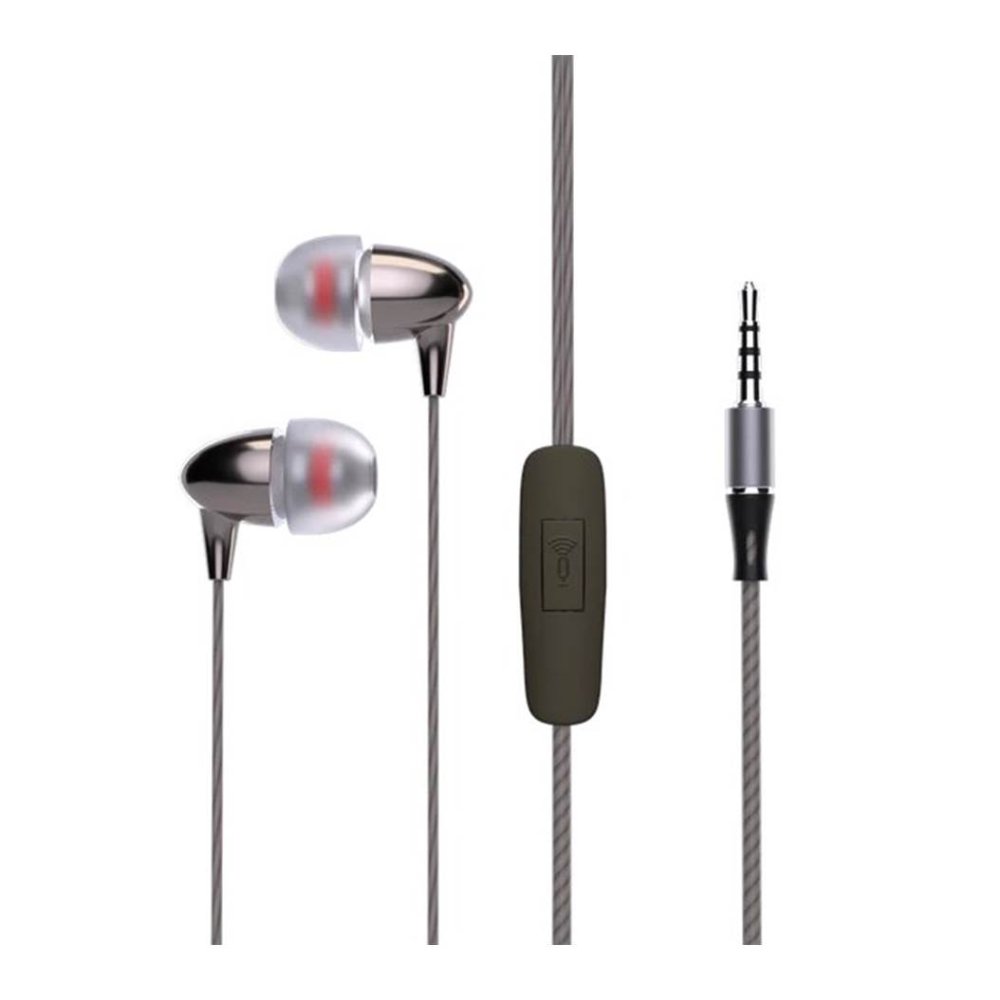
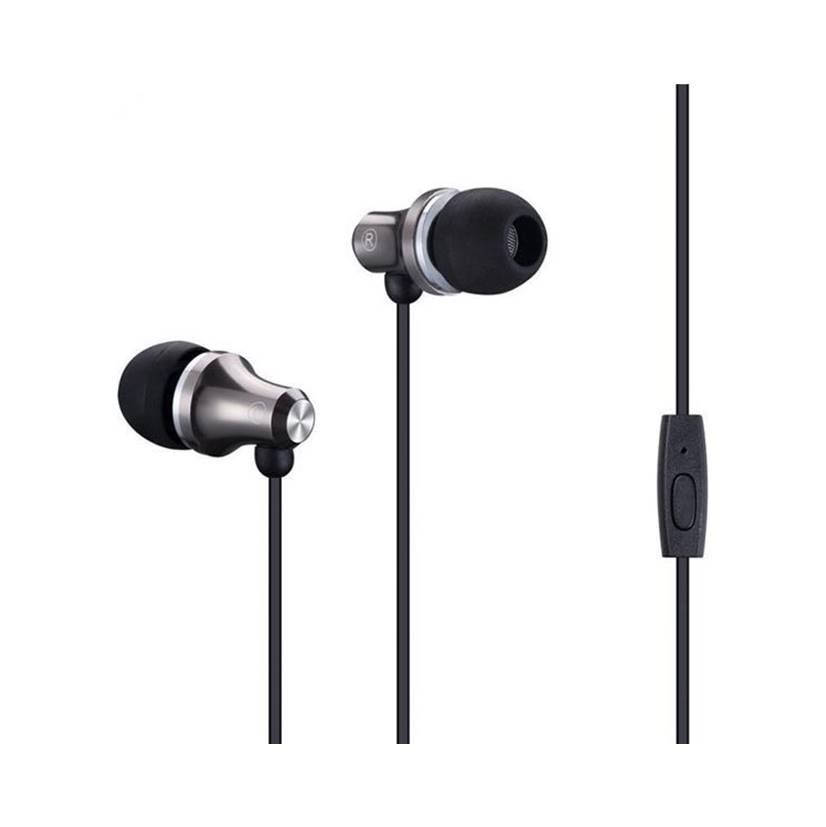
Advertisement
Compare Unix i600 with:
Compare F&D Spiro with:
Top Differences
- Noise Cancelling: Active vs NA
- Driver Size: 10 mm vs 8.89 mm
- Weight: 60 Gm vs 80 GM
- Impedance: 16 ohm Vs 10 Ohms
Advertisement